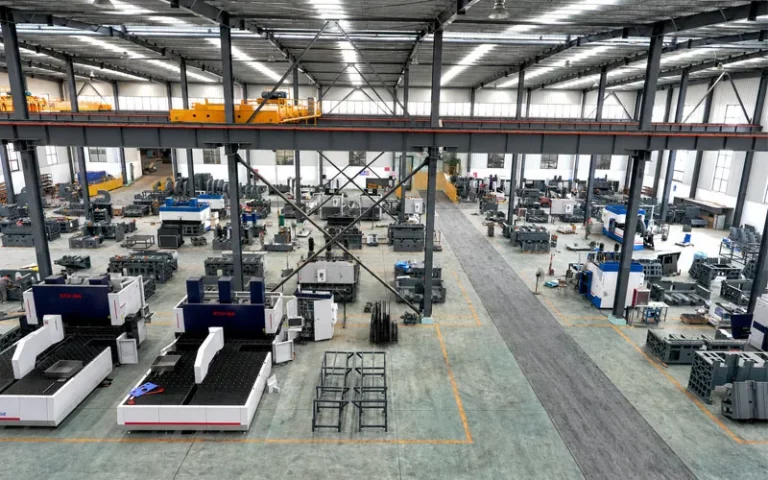
Manual bending slows production, increases labor pressure, and often creates unstable part quality. For factories making cabinets, doors, HVAC panels, and metal enclosures, every wrong bend costs time. A CNC panel bender helps automate bending, improve accuracy, and make production easier to control.
A آلة ثني الألواح باستخدام CNC is an automatic bending machine used to bend metal sheet parts with speed, repeatability, and high precision. It helps sheet metal fabrication factories reduce manual handling, improve productivity, and produce stable panels for electrical cabinets, control boxes, HVAC equipment, metal doors, furniture, appliance housings, and industrial enclosures.
Why Do Modern Sheet Metal Factories Need a CNC Panel Bender?
Sheet metal factories are under strong pressure. Customers want shorter lead times, cleaner metal panels, better bending precision, and more stable batch quality. At the same time, skilled bending operators are harder to find in many markets. This makes traditional bending less predictable for growing factories.
A CNC panel bender helps solve this problem by turning repeated sheet metal bending tasks into a more automatic and controlled process. Instead of relying only on manual positioning and operator experience, the machine follows a CNC program and completes the bend sequence with stable movement.
For factories producing electrical cabinets, control cabinets, metal doors, HVAC panels, stainless steel products, appliance housings, and new energy equipment enclosures, a panel bender is not just a bending machine. It is a productivity tool. It helps the factory bend more parts with less manual handling and more consistent results.
At STON CNC, we see many overseas customers looking for the same goal: they want to upgrade from labor-heavy bending to a more automated sheet metal bending process. Their question is not only “What machine should I buy?” but also “How can I make my workshop faster, more stable, and easier to manage?”
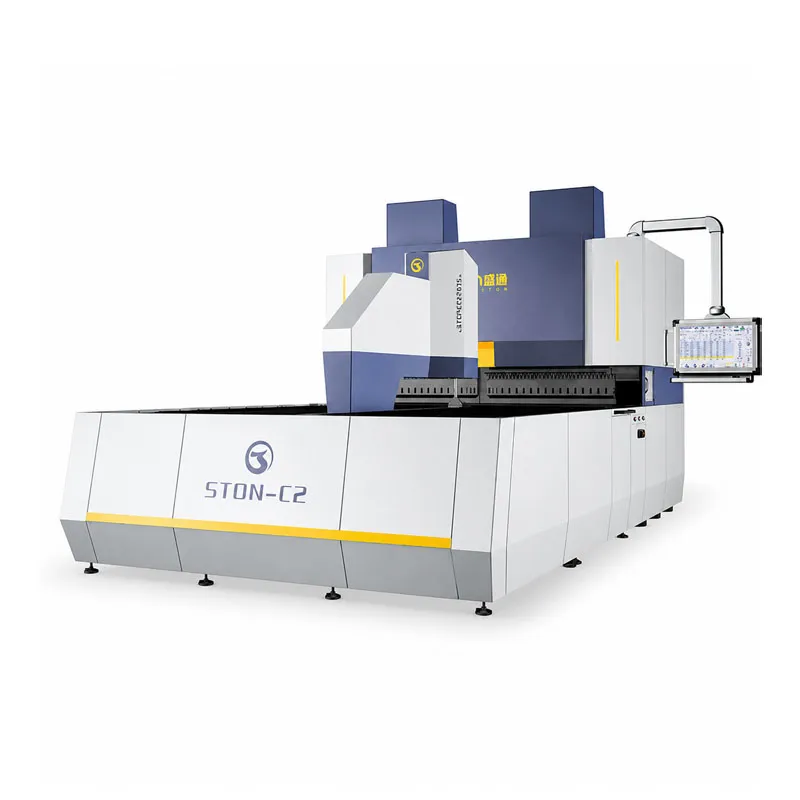
What Is a CNC Panel Bender and How Does It Work?
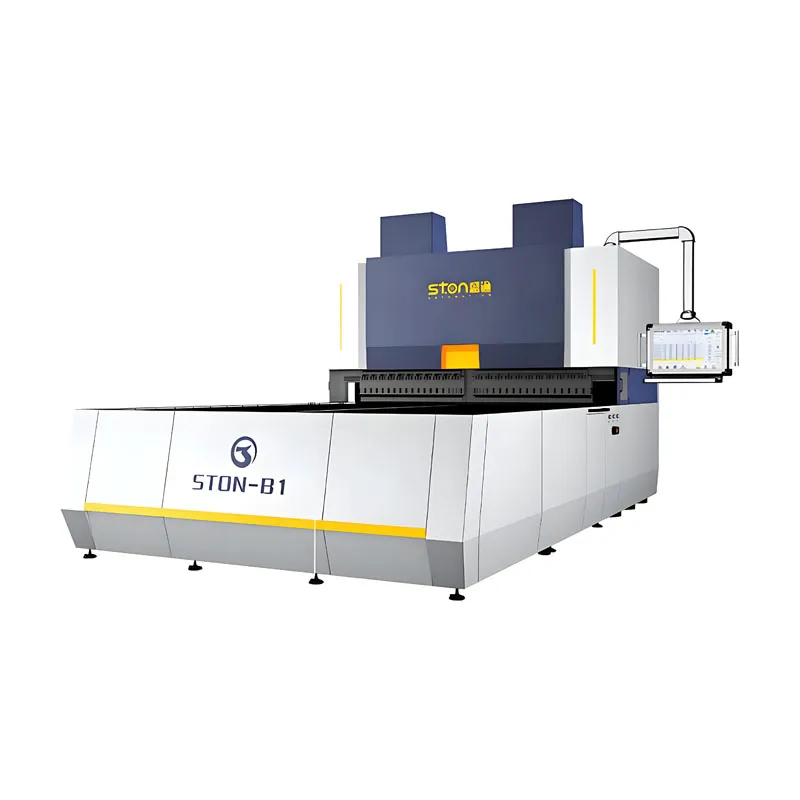
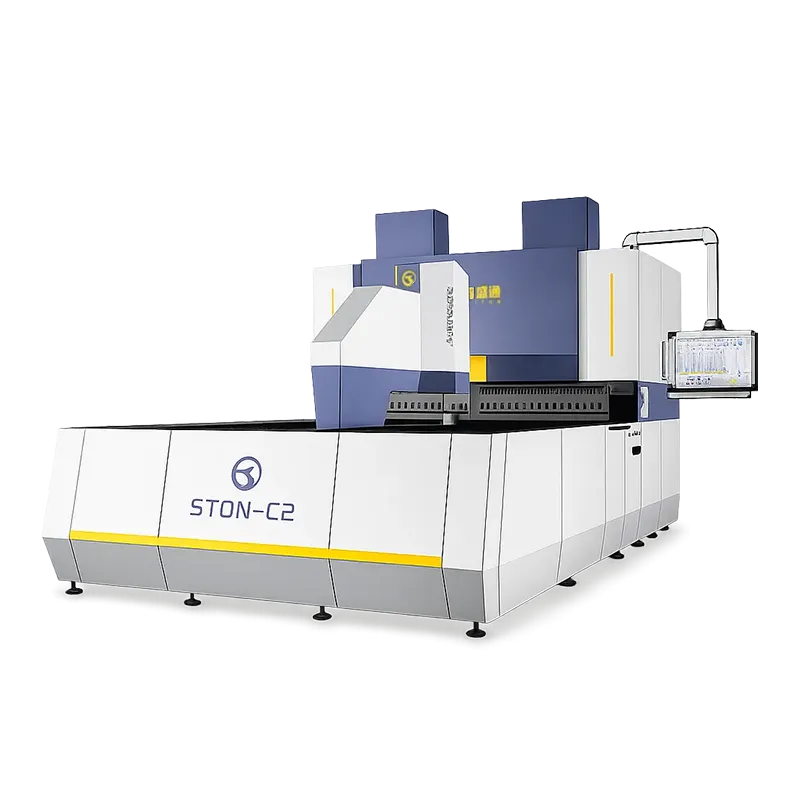
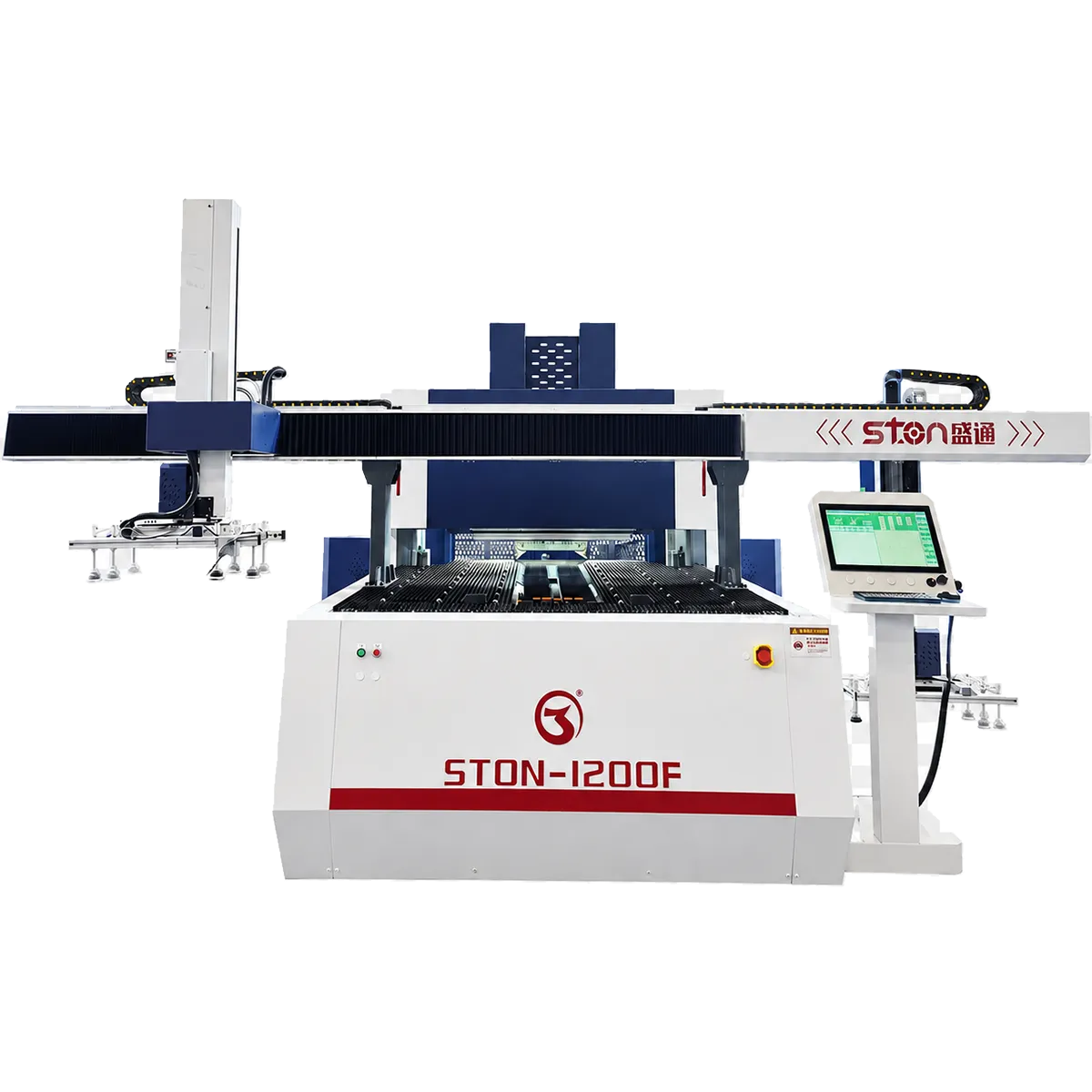
A panel bender is a sheet metal bending machine designed to bend the edges of a metal sheet into the required shape. It is often used for flat panels, boxes, covers, doors, cabinets, and enclosure parts. The machine clamps the sheet metal panel, positions it, and uses a bending blade to fold the edge up or down.
The main difference between a panel bender and many traditional bending machines is the way it controls the bending process. A آلة ثني الألواح باستخدام CNC can store bending programs, control the bending angle, manage the bending sequence, and repeat the same bend again and again. This makes it suitable for batch production.
A cnc metal sheet panel bender can process common sheet materials such as stainless steel, galvanized sheet, aluminum, and cold-rolled steel, depending on the machine configuration. The actual bend length, maximum bending thickness, and bending angle range should be checked according to the customer’s product drawings.
How Does a Panel Bender Improve Sheet Metal Bending Efficiency?
In many workshops, the bending process becomes a bottleneck. Cutting may be fast. Punching may be fast. But when many parts wait for bending, the whole production schedule slows down. A panel bender helps reduce this bottleneck by making repeated bending tasks faster and easier to repeat.
Traditional bending often requires the operator to lift the part, align it, bend one side, turn it, align it again, and repeat the same action many times. For large batches of metal panels, this creates fatigue and increases the chance of mistakes. With an automatic panel bender, the machine can complete multiple bends according to the CNC program.
This improves efficiency in three main ways:
Less manual repositioning: The machine helps control the bending sequence.
Faster repeated production: The same CNC program can be used again for batch orders.
More stable bending results: The machine reduces variation between operators.
For a factory making cabinet doors or enclosure panels, the benefit is very direct. If every bend is stable, the next assembly step becomes easier. Door gaps are more even. Holes align better. Finished parts look cleaner. That is why many sheet metal fabrication companies choose panel bending when they want higher productivity.
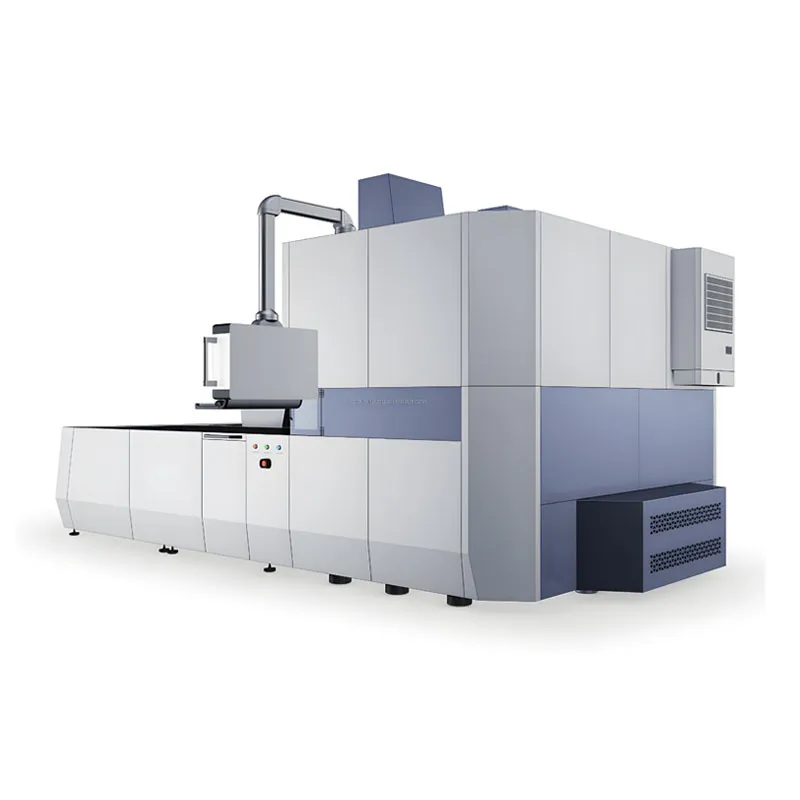
Panel Bender vs. Press Brake: Which Bending Solution Fits Your Factory?
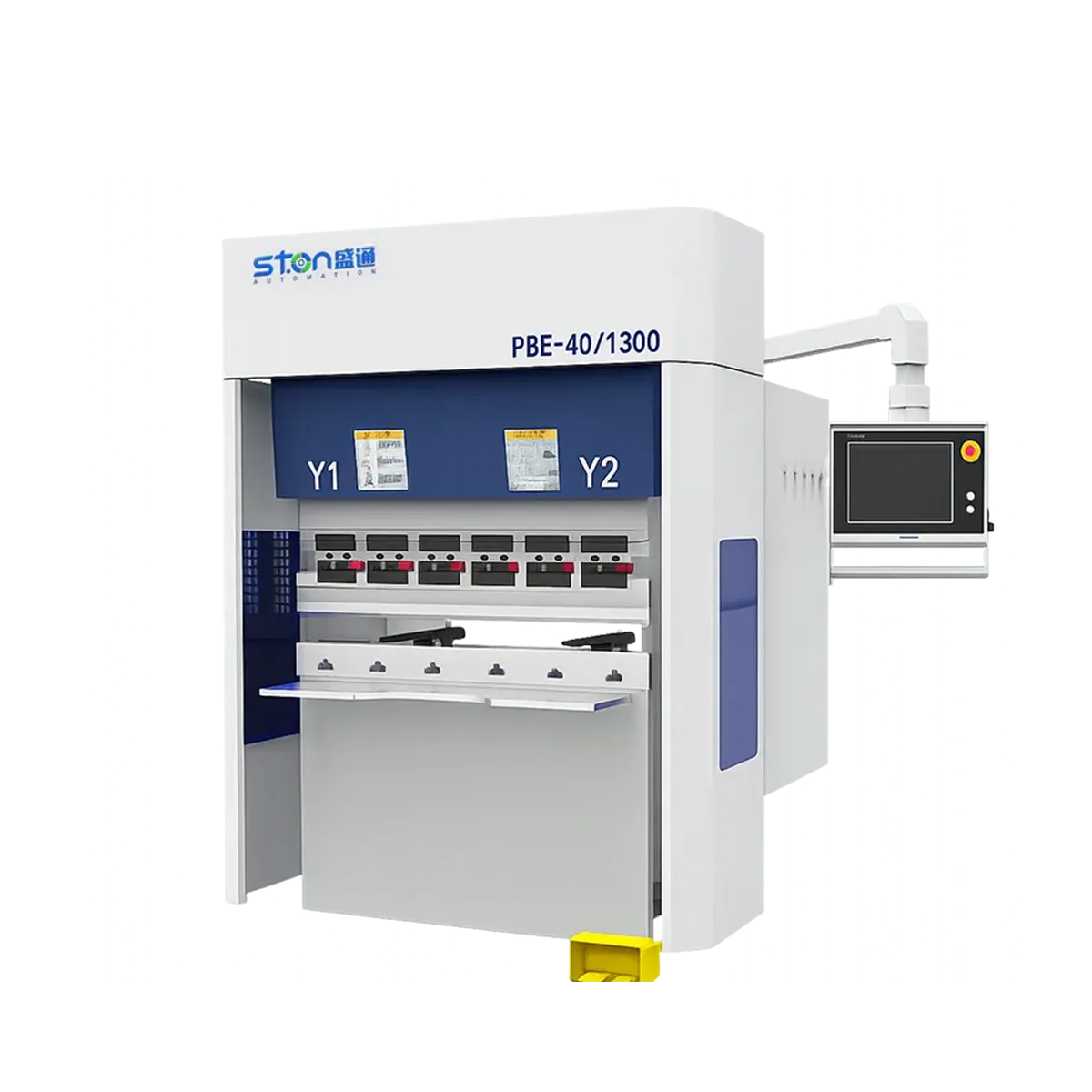
A panel bender and a press brake both bend sheet metal, but they are not the same type of equipment. A press brake is widely used because it is flexible and can handle many kinds of bending jobs. It is useful for different thicknesses, different tooling, and many custom parts.
A panel bender is more focused on fast, repeated, and automated bending of sheet metal panels. It is especially useful for cabinet panels, metal doors, boxes, covers, HVAC panels, and appliance housings. If your factory makes many similar parts every day, the panel bender may bring stronger efficiency.
A traditional press brake is still important in many factories. For example, a hydraulic press brake or CNC press brake may be better for certain thick parts or special bending tasks. But for high-volume panel production, a panel bender can often reduce manual work and improve repeatability.
Many modern factories use both. The panel bender handles repeated metal panels, while the press brake handles special parts. This combination can create a more complete bending solution for sheet metal fabrication.
What Products Can Be Made with an Automatic Panel Bender?
An automatic panel bender is suitable for many industries that need clean, accurate, and repeatable metal sheet bending. It is especially useful when parts have several edges that need to be bent in a fixed sequence.
Common products include:
- Electrical cabinet doors and panels
- Control cabinet side panels
- Distribution box enclosures
- Switchgear cabinet parts
- HVAC and ventilation panels
- Air purifier and filter housing panels
- Metal doors and door frames
- Stainless steel kitchen equipment panels
- Filing cabinets and lockers
- Metal furniture components
- Appliance outer shells
- Industrial equipment covers
- New energy equipment housings
- Charging pile enclosures
For electrical cabinet and control cabinet manufacturers, bending precision is very important. If the door panel is not accurate, the cabinet may not close well. If the side panel is not stable, assembly becomes slower. A panel bender helps keep each bend more consistent.
For HVAC and ventilation equipment factories, the panel bender supports thin and medium sheet metal work. It can help produce cleaner flanges and more stable panels. For metal door and furniture manufacturers, the machine helps improve the finished appearance of visible metal panels.
This is why panel benders are widely used in modern sheet metal fabrication. They help turn flat metal sheet into useful, repeatable, and professional-looking parts.
Why Does Bending Precision Matter for Cabinets, Doors, and Enclosures?
Bending precision is not only about making a good-looking bend. It affects the whole product. For cabinets, doors, HVAC panels, and enclosures, one wrong bend can cause assembly problems, poor gaps, weak fitting, or visible defects.
In sheet metal fabrication, small errors can become big problems later. For example, a cabinet door may not align with the frame. A screw hole may not match the next part. A metal cover may leave an uneven gap. These issues often lead to rework, waste, and delivery delays.
A panel bender improves bending precision by controlling the bending angle, bend length, and automatic bend sequence. With CNC control, the machine can repeat the same bending operations on sheet metal with less variation.
For overseas manufacturers, stable bending results are especially important when serving industrial customers. Many buyers expect repeatable quality, clean edges, and reliable assembly. A panel bender helps factories meet these expectations more easily.
How Can a Panel Bender Reduce Labor Cost and Improve Productivity?
Labor cost is one of the biggest reasons factories consider automated sheet metal bending. In traditional bending, operators must lift, turn, position, and check parts many times. This is tiring work. It also requires experience.
A panel bender can reduce repeated manual handling. The operator can focus more on loading, monitoring, checking, and managing production instead of manually controlling every bend. For factories with growing order volume, this can help improve productivity and reduce pressure on skilled workers.
In fully automatic versions, the panel bender can work with automatic sheet loading, automatic flipping, unloading equipment, or a bending line. This makes it possible to build a more automated production flow.
For factories planning long-term growth, the value is not only faster bending. It is a more predictable process. When bending becomes stable, production managers can plan delivery more confidently.
Why Choose a Factory-Direct CNC Sheet Metal Equipment Manufacturer?
For overseas buyers, choosing the right supplier is just as important as choosing the right machine. A panel bender is a long-term production investment. Buyers need more than a low price. They need a manufacturer that can support machine selection, customization, production, installation, training, spare parts, and after-sales service.
A factory-direct CNC sheet metal equipment manufacturer can bring several advantages:
- Better understanding of machine structure and production process
- More flexible customization
- Direct technical communication
- More stable spare parts support
- More practical machine recommendations
- Better control over quality and delivery
- Support for complete automation planning
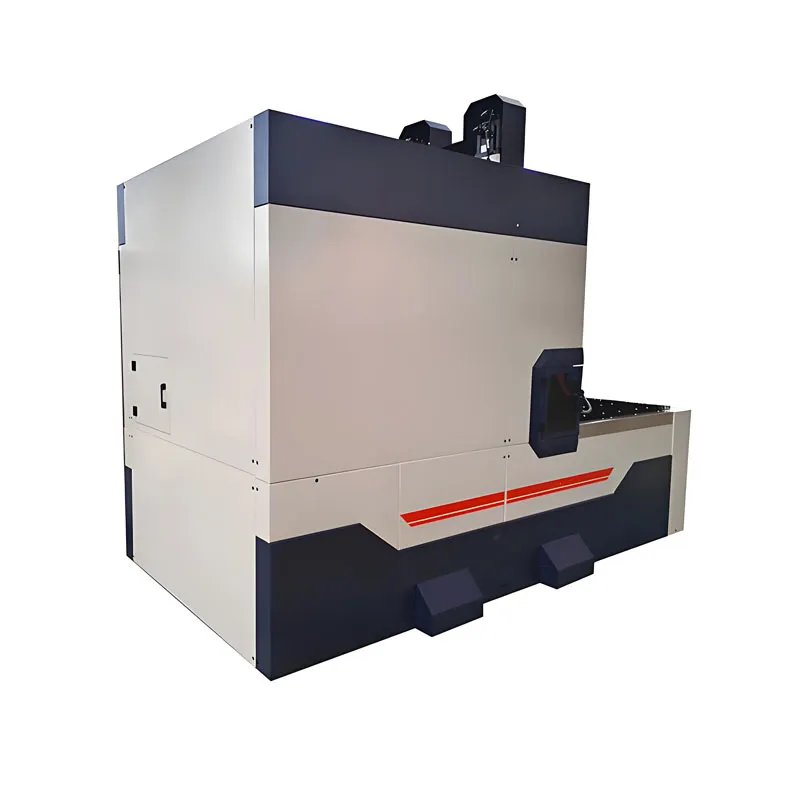
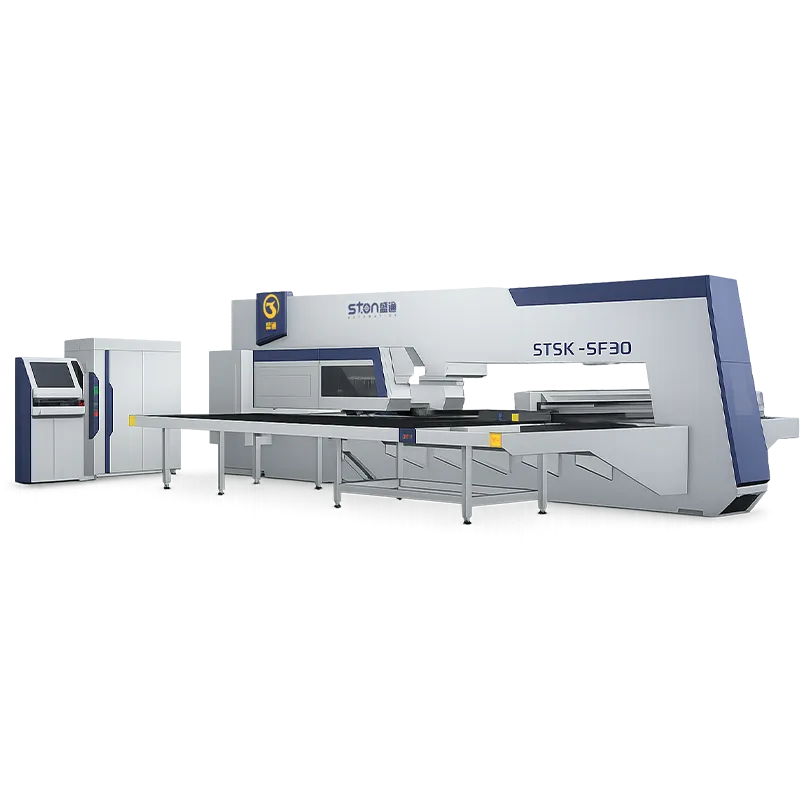
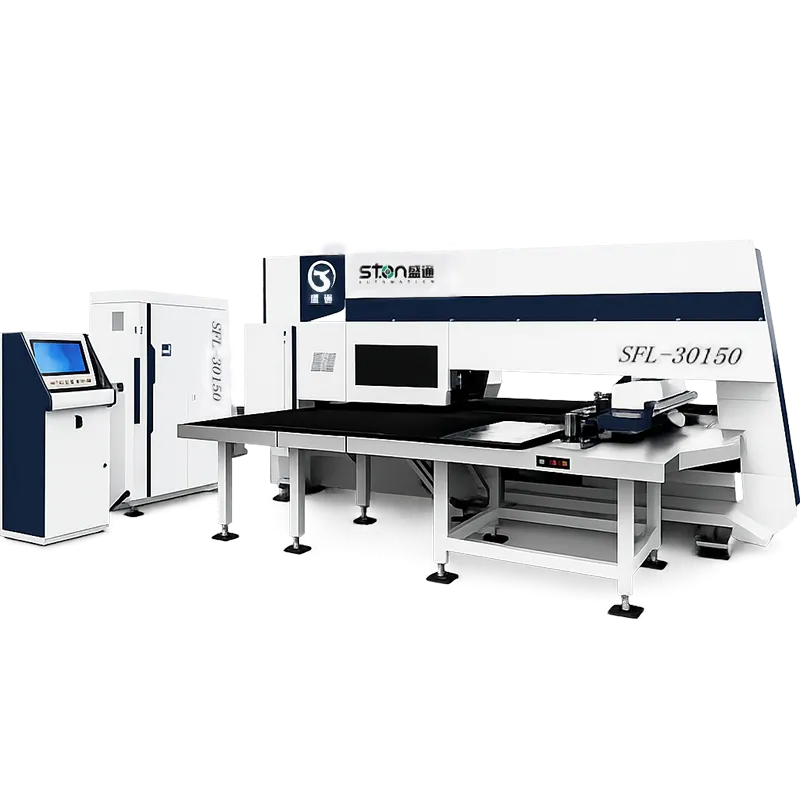
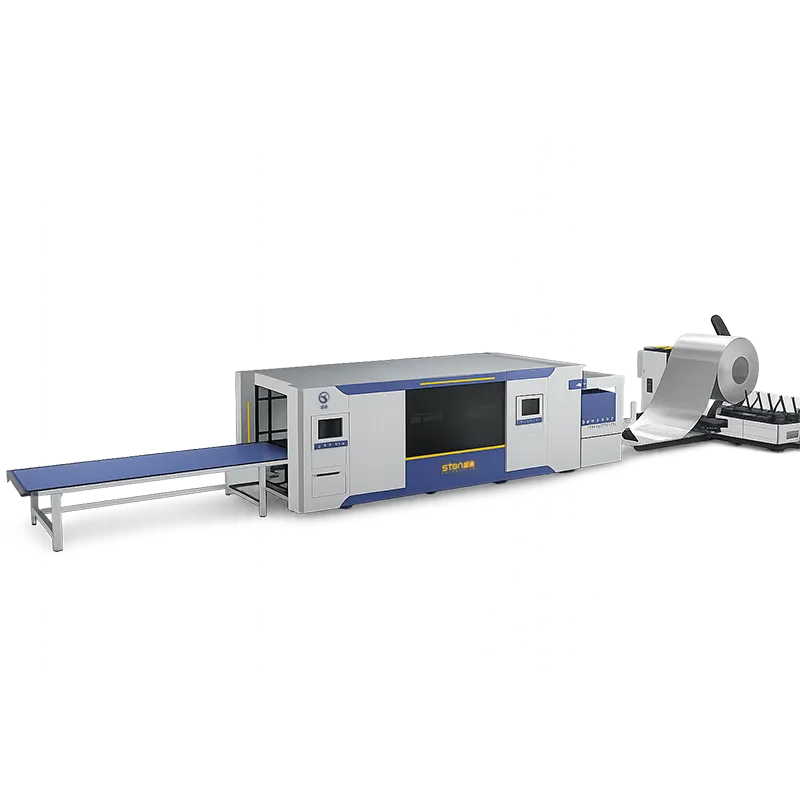
STON CNC is positioned as a CNC sheet metal automation equipment manufacturer and complete production line solution provider for overseas manufacturing customers. Our business covers sheet metal bending, punching, laser cutting, flanging, automatic loading and unloading, and automated production line integration.
This matters because many customers do not only need one machine. They may need a full workflow: laser cutting, punching, bending, flanging, automatic loading, unloading, stacking, and production line planning. A supplier with complete product coverage can help the customer build a more connected sheet metal production system.
How Does STON CNC Support Customized Automated Bending Solutions?
STON CNC supports global manufacturing customers with high-precision, high-efficiency, and customizable equipment. Our customers include sheet metal fabrication factories, electrical cabinet and control cabinet manufacturers, HVAC and ventilation equipment factories, metal door and furniture manufacturers, home appliance and industrial equipment enclosure manufacturers, new energy equipment housing factories, and overseas machinery distributors.
Our support starts with the customer’s real product. We can review drawings, part photos, material thickness, bend length, production capacity, and workshop layout. Based on these details, we can recommend a suitable panel bender, press brake, turret punch press, laser cutting unit, flanging machine, automatic loading and unloading system, or automatic production line.
Our solution support may include:
- آلة ثني الألواح باستخدام CNC model recommendation
- Custom bending solution planning
- Automatic CNC bending machine configuration
- Integration with laser cutting or punching equipment
- Automatic loading and unloading system design
- Workshop layout discussion
- Installation and commissioning support
- Operator training and maintenance guidance
- Long-term spare parts and technical support
- Support for overseas machinery distributors
For example, a factory producing electrical cabinets may need a panel bender for door panels, a turret punch press for holes and louvers, and a laser cutting unit for flexible sheet cutting. A factory producing HVAC panels may need a different configuration with flanging and automated loading. The right solution depends on the product.
This is where customized support becomes valuable. Instead of selling only one machine, STON CNC helps customers think about the full bending and sheet metal automation process.
How to Start a CNC Panel Bender Project with STON CNC
Starting a آلة ثني الألواح باستخدام CNC project does not need to be complicated. The first step is to share your production information. You do not need to know every technical detail at the beginning. Basic drawings, product photos, material thickness, and production goals are enough to start a useful discussion.
You can prepare:
- Product drawings or sample photos
- Material type and thickness
- Maximum part size
- Required bend length
- Bending angle requirements
- Monthly or daily production volume
- Current bending problems
- Existing machines in your workshop
- Required automation level
- Target delivery schedule
After receiving this information, STON CNC can help review your needs and recommend a suitable solution. The solution may be a single panel bender, a panel bender with loading and unloading, or a complete sheet metal production line.
Our goal is simple: help your factory bend metal sheet parts faster, more accurately, and with less manual pressure. For overseas buyers, we also pay attention to installation support, training, after-sales service, and spare parts supply, because long-term machine operation matters as much as the first purchase.
الأسئلة الشائعة
What is a CNC panel bender used for?
A آلة ثني الألواح باستخدام CNC is used to bend metal sheet panels into cabinet parts, doors, boxes, covers, HVAC panels, appliance housings, and industrial enclosures. It is suitable for factories that need fast, repeatable, and accurate sheet metal bending.
Is a panel bender better than a press brake?
تُعد آلة ثني الألواح أفضل لثني الألواح بشكل متكرر، خاصةً للخزائن والأبواب والأغطية وأجزاء الهياكل. أما مكبس الثني فهو أفضل للثني العام، والمواد الأكثر سماكة، والأعمال المخصصة الخاصة. تستخدم العديد من المصانع كلتا الآلتين لمهام مختلفة.
ما المواد التي يمكن لآلة ثني الألواح معالجتها؟
يمكن لآلة ثني الألواح معالجة المعادن الشائعة المستخدمة في صناعة الصفائح، مثل الفولاذ المقاوم للصدأ والألومنيوم والصفائح المجلفنة والفولاذ المدرفل على البارد. وتعتمد السعة الدقيقة على طراز الآلة وسماكة المادة وأقصى طول للثني ومتطلبات الثني.
هل يمكن لآلة ثني الألواح خفض تكلفة العمالة؟
Yes. A panel bender can reduce repeated manual positioning and help one operator manage more productive work. It also reduces dependence on highly skilled bending operators and helps improve batch consistency.
What information is needed to get a panel bender quote?
To get a useful quote, prepare your product drawings, material type, material thickness, maximum part size, bend length, bending angle, daily production target, workshop layout, and automation needs.
Who should choose STON CNC for panel bending equipment?
STON CNC مناسب لمصانع تصنيع الصفائح المعدنية في الخارج، ومصنّعي الخزائن، ومصانع معدات التدفئة والتهوية وتكييف الهواء، ومنتجي الأبواب والأثاث المعدني، ومصنّعي هياكل الأجهزة، ومصانع أغلفة معدات الطاقة الجديدة، وموزّعي الآلات الذين يبحثون عن حلول أتمتة الصفائح المعدنية باستخدام تقنية CNC مباشرة من المصنع.



 June 01, 2026