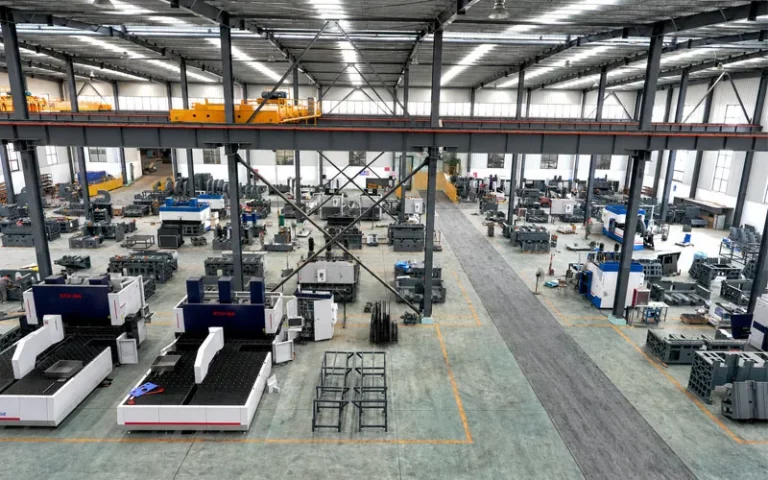
Many buyers compare laser machines but still feel unsure. A wrong choice can waste money, slow production, and hurt cutting quality. The right laser cutting machine solves this problem by matching your material, thickness, work area, laser power, and real production goal.
A laser cutting machine uses a focused laser beam to cut materials with high precision and speed. For industrial sheet metal, a fiber laser cutter is usually the best choice for metal cutting. CO2 laser and diode laser machines are more common for acrylic, wood, engraving, craft work, and small business use.
What Is a Laser Cutting Machine?
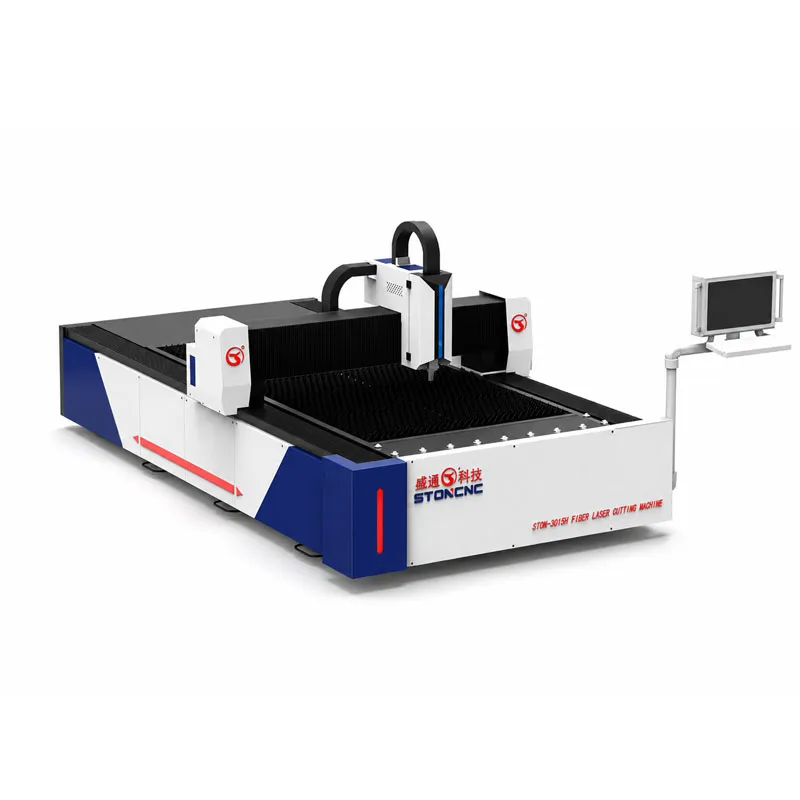
A machine de découpe laser is a machine that uses a focused laser beam as a tool for cutting. The laser heats, melts, burns, or vaporizes the material along a programmed path. In simple words, the laser becomes a sharp, clean, contact-free cutter. It can cut metal, acrylic, wood, leather, paper, and other materials, depending on the laser type.
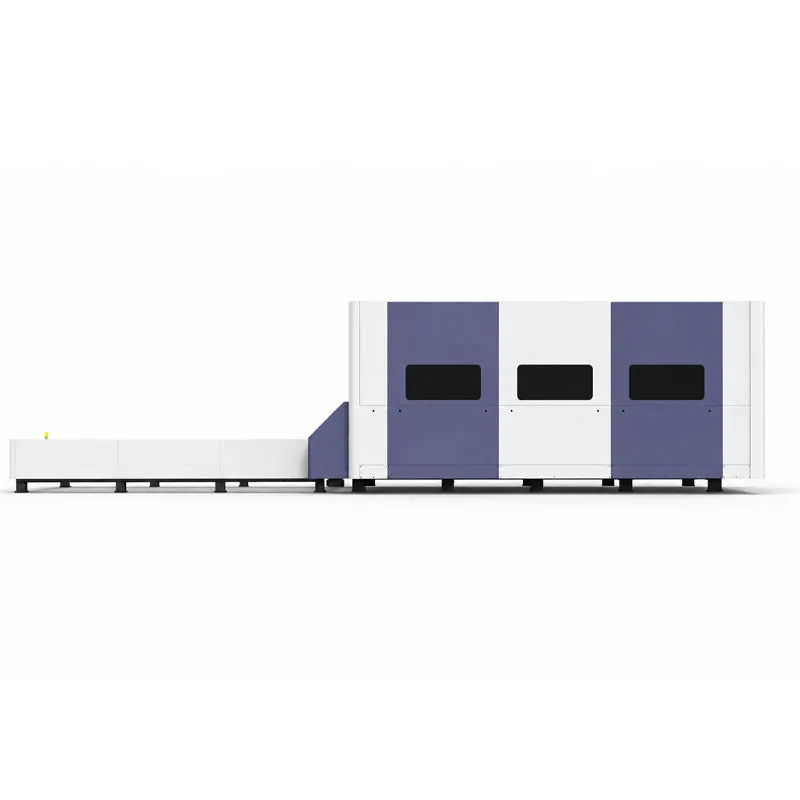
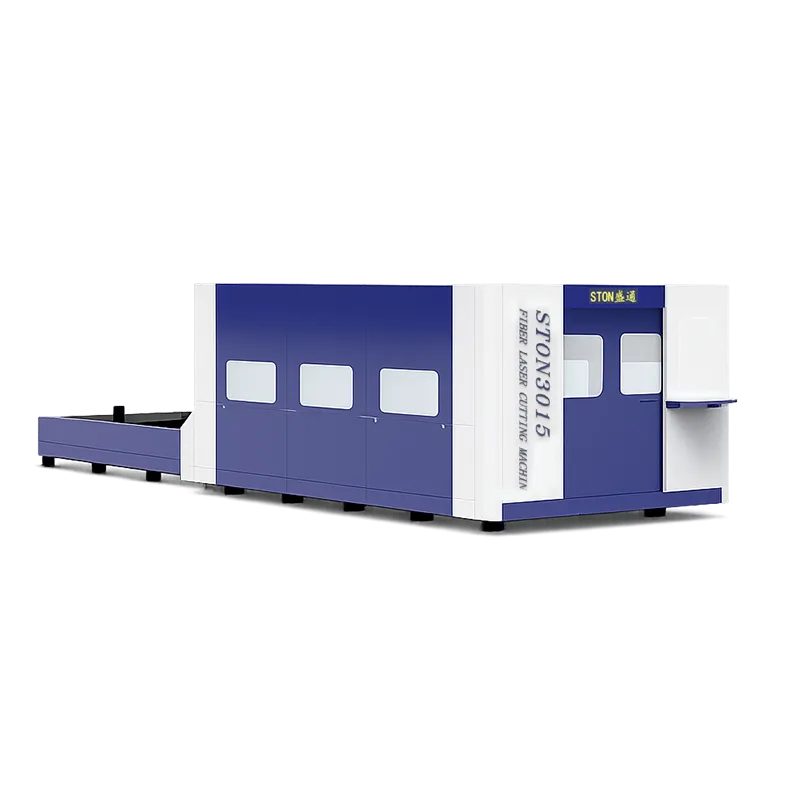
In industrial factories, a laser cutter is often used for sheet metal fabrication. It can process steel, stainless steel, aluminum, galvanized sheet, and other metal sheets. The machine follows CNC instructions, so it can make repeatable shapes with high precision. This makes it useful for electrical cabinets, HVAC parts, appliance panels, metal furniture, machinery covers, and custom sheet metal parts.
There are also small laser engraver machines for home users, craft laser users, and small business workshops. A laser cutter and engraver may cut wood, engrave signs, mark logos, or process acrylic gifts. However, these machines are very different from an industrial fiber laser cutting machine. A hobbyist may need a desktop laser, while a factory needs a powerful machine built for stable production.
How Does a Laser Cutter Work?
A laser cutter works by focusing laser energy into a small point. This focused laser beam creates heat at the cutting area. The machine moves the laser head along a programmed path, and the material separates along that path. The cutting process is fast, clean, and repeatable when the settings are correct.
A CNC laser system usually includes the machine frame, laser source, cutting head, control system, drive system, worktable, gas system, cooling system, and safety enclosure. For metal cutting, assist gas such as oxygen, nitrogen, or air helps remove molten material from the cut. This improves cutting quality and keeps the edge cleaner.
Fiber Laser, CO2 Laser, or Diode Laser: Which Laser Type Fits Your Material?
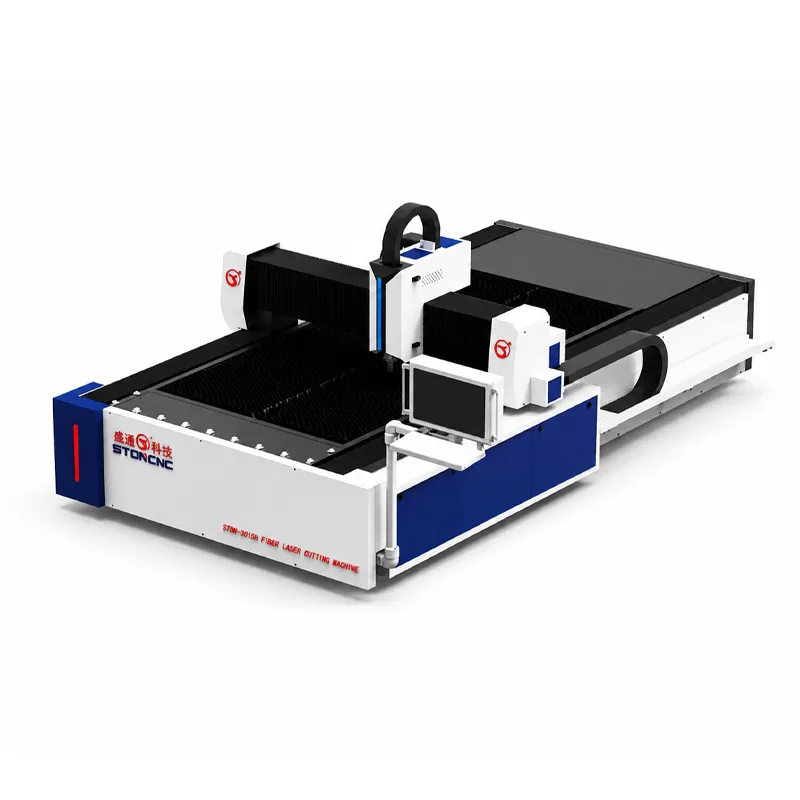
The first big choice is laser type. A fiber laser is the most common choice for industrial sheet metal cutting. It is strong for cutting metal, especially carbon steel, stainless steel, aluminum, galvanized steel, brass, and copper. Many metal laser systems use fiber laser sources because they offer high-speed performance and low maintenance for industrial work.
A CO2 laser is widely used for non-metal materials such as acrylic, wood, leather, fabric, paper, and some plastics. A CO2 laser cutter can also process certain coated materials and engraving jobs. Many laser engraving machine users choose CO2 because it works well on acrylic and wood. It is common in signage, packaging samples, decoration, and light workshop use.
A diode laser is often used in small desktop laser machines. A diode laser cutter is usually less powerful than an industrial fiber laser or a large CO2 machine. It can engrave wood, leather, coated metal, and some colored acrylic, but it is not the right choice for industrial metal cutting. Products such as the Glowforge Aura show how diode laser systems are used in craft laser and consumer laser markets, not heavy sheet metal production.
What Can a Laser Cutting Machine Cut and Engrave?
A machine de découpe laser can cut and engrave a variety of materials, but the answer depends on the laser type. Fiber laser machines are best for metal. CO2 laser machines are best for many non-metal materials. Diode laser machines are best for lighter engraving and craft use.
For STON’s industrial customers, the main need is usually sheet metal cutting. That means the buyer wants stable cutting quality on steel, stainless steel, aluminum, and galvanized sheet. These materials are used in electrical cabinets, machine guards, HVAC panels, appliance housings, elevator parts, and metal furniture.
How Much Laser Power Do You Need for Cutting Metal?
Laser power affects cutting capacity, cutting speed, and cutting thickness. A higher-powered laser can cut thicker materials and often cut thinner sheets faster. But the best laser is not always the most powerful laser. The right laser output depends on your materials, part design, daily production, and budget.
For example, a factory cutting thin stainless steel panels may not need the same laser power as a company cutting thick carbon steel plates. A less powerful laser may work well for thin sheets, while a high-powered laser is better for thicker metal and high-volume production. The key is to match power for cutting with the real job.
When buying a laser for industrial use, prepare this information first:
- Main material type
- Common sheet thickness
- Maximum cutting thickness
- Sheet size
- Daily cutting time
- Required cutting speed
- Accuracy needs
- Edge quality needs
- Gas supply plan
- Budget and price bracket
A good supplier will not only ask, “How many watts do you want?” A good supplier will ask what you cut, how often you cut, and what part quality you need. At STON, we prefer to review the full production need before recommending a laser cutter machine.
How Do Work Area, CNC Control, and Laser Software Affect Production?
The work area decides the largest sheet size the laser machine can process. Common industrial sheet sizes include 3000 × 1500 mm, 4000 × 2000 mm, and larger custom formats. If your factory uses standard metal sheets, a standard platform may be enough. If you process large panels, you may need a larger table.
CNC control affects speed and accuracy. A CNC laser cutter uses programmed paths to control the laser head, cutting speed, gas timing, piercing, and movement. Good CNC control helps the machine cut complex shapes and repeat parts with high precision. This is important for cabinet panels, HVAC parts, appliance parts, and precision sheet metal components.
Laser software also matters. Good laser software helps you create cutting paths, arrange parts, reduce waste, and manage production. Nesting is especially useful. It places parts on the sheet in a smart way, so the factory uses material more efficiently.
A simple workflow looks like this:
Drawing File
↓
Laser Software
↓
Nesting Plan
↓
CNC Cutting Path
↓
Laser Cutting
↓
Part Sorting
↓
Bending / Welding / Assembly
If the software is easy to use, workers learn faster. If the machine is stable, production becomes smoother. If the cutting path is optimized, the factory saves time and material.
Is a Desktop Laser Cutter or Industrial Fiber Laser Better for Your Business?
A desktop laser is usually better for small products, light engraving, school labs, home users, or a small business making gifts, labels, signs, or craft items. It can be easy to use and friendly for beginners. Some desktop laser and portable laser products are designed for simple setup and small workspaces.
An industrial fiber laser is better for factories that need metal cutting every day. It has a stronger frame, higher cutting power, larger work area, better motion systems, and stronger production ability. It is designed for metal sheet processing, not just engraving and cutting small items.
How Can a Laser Cutting Machine Improve Sheet Metal Productivity?
A machine de découpe laser improves productivity by cutting parts faster, reducing tool changes, and allowing quick design changes. Traditional cutting methods may need molds or manual setup. A CNC laser can change jobs by changing the program. That helps factories handle small batches, custom parts, and urgent orders.
For sheet metal manufacturers, speed and accuracy both matter. The machine must cut fast, but it must also keep part dimensions stable. Good precision and speed reduce rework. High precision helps bending, welding, and assembly go smoothly later.
A typical improvement path looks like this:
Manual Cutting
↓
CNC Laser Cutting
↓
Automatic Loading and Unloading
↓
Laser + Bending Integration
↓
Smart Sheet Metal Production Line
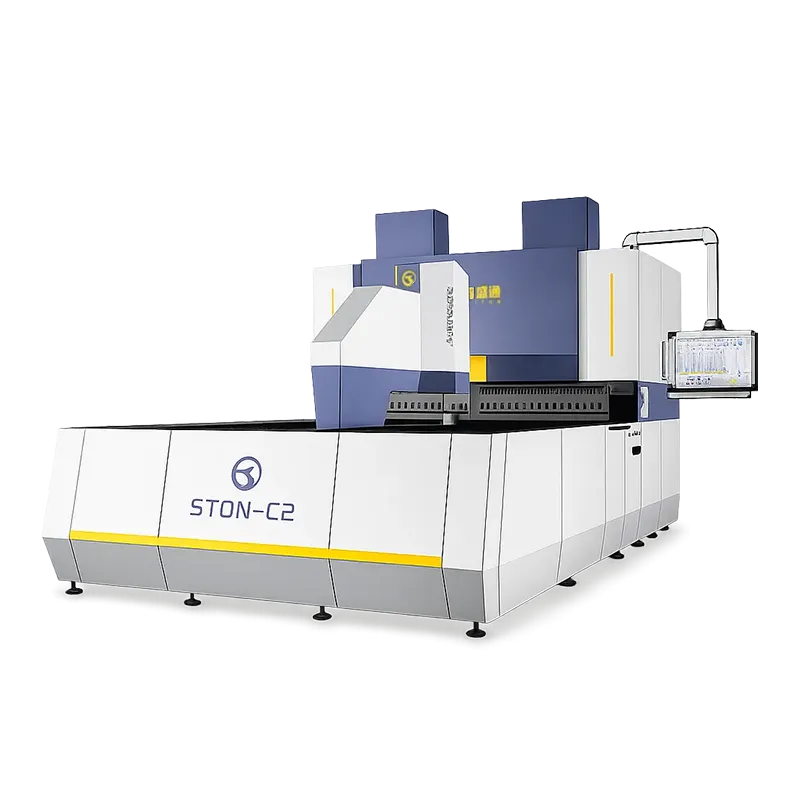
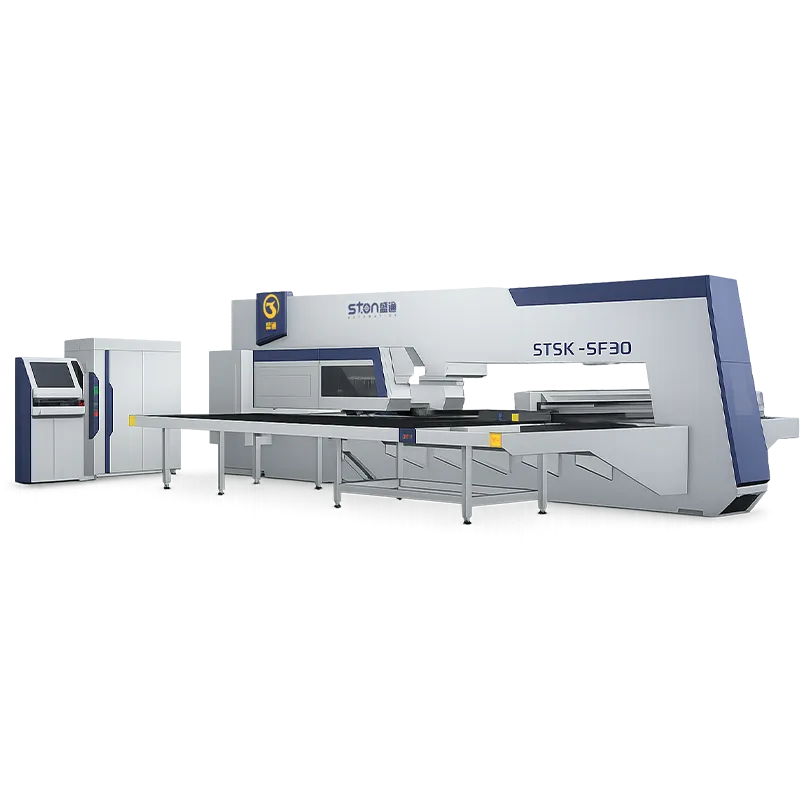
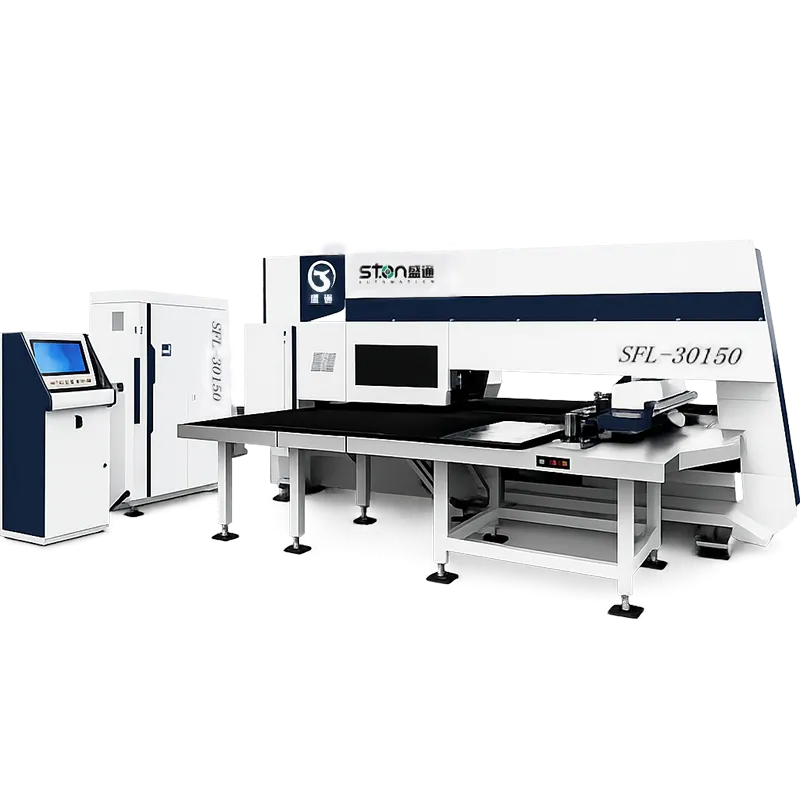
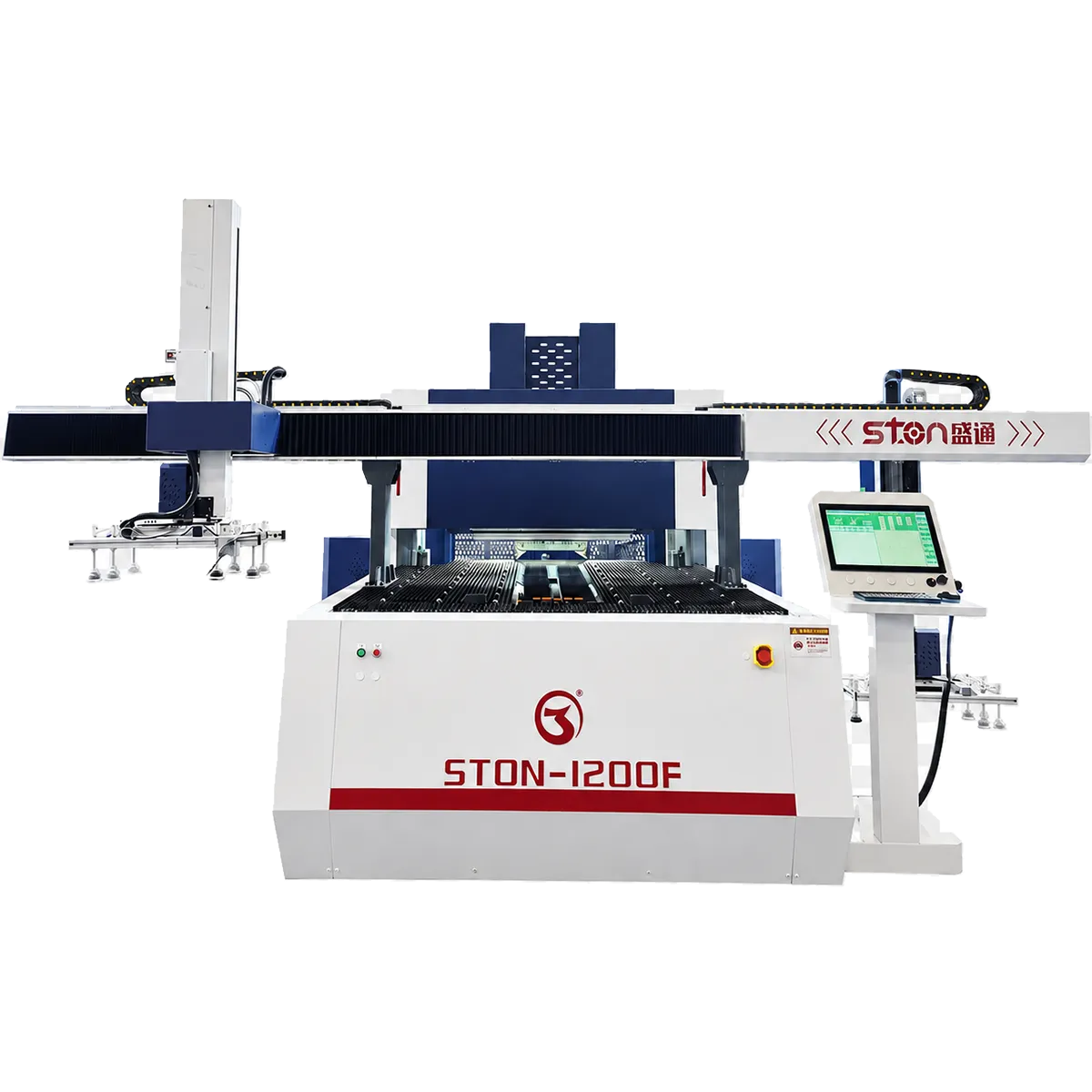
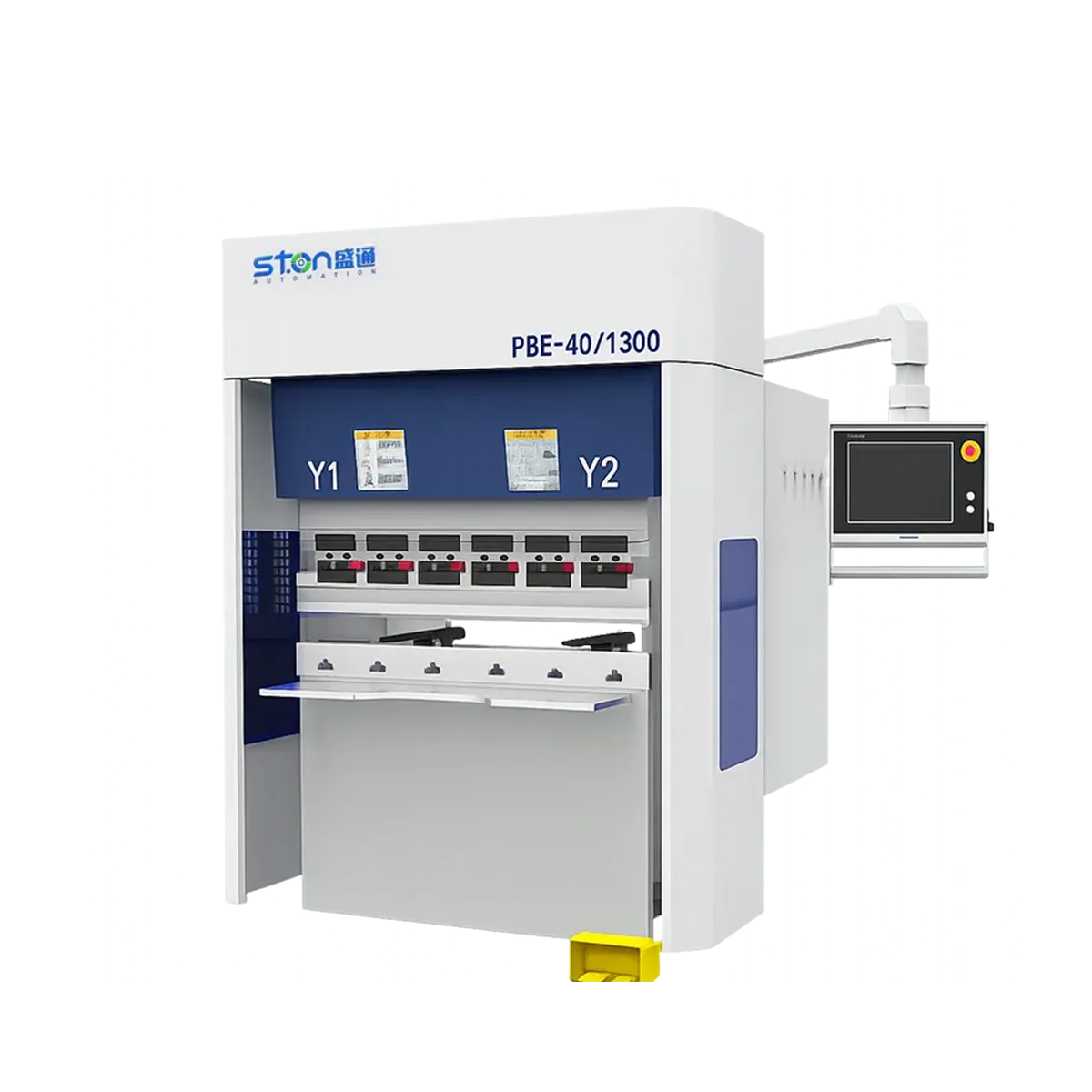
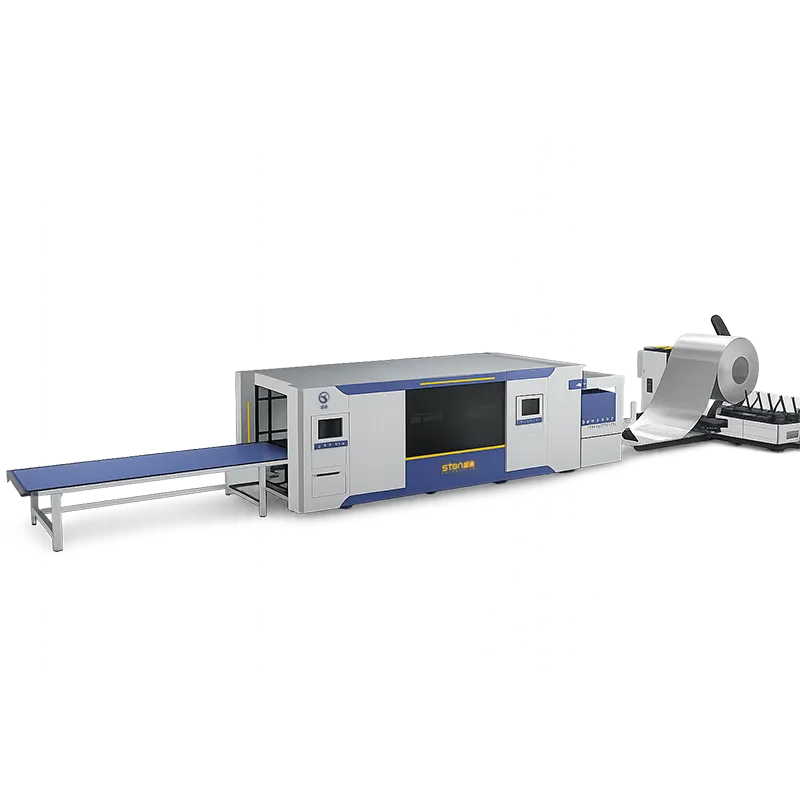
STON supports this upgrade path. We provide laser cutting units, panel benders, turret punch presses, press brakes, and automated production lines. So if a factory wants to start with one laser machine and later build a smarter shop floor, we can help plan the next step.
Why Choose STON as Your CNC Sheet Metal Machinery Partner?
STON is a China-based CNC sheet metal machinery manufacturer. We provide panel benders, turret punch presses, press brakes, laser cutting units, and automated production lines. Our goal is simple: help global manufacturers improve processing efficiency, reduce labor costs, and build smarter factories.
Many customers come to us because they do not want isolated machines. They want a practical production solution. A laser machine may cut the part, but the part still needs bending, punching, sorting, loading, unloading, and assembly. STON can support this wider sheet metal process.
Our main overseas customers include:
- Sheet metal fabricators
- Electrical cabinet factories
- HVAC manufacturers
- Appliance producers
- Metal furniture makers
- Machinery distributors
- Smart factory project buyers
For example, a cabinet factory may start with a fiber laser cutting machine. Later, it may add a CNC press brake, panel bender, or automatic loading and unloading system. A distributor may need reliable machinery for local customers. An appliance producer may need stable cutting quality and high-speed production.
STON can review your drawings, material thickness, production goals, factory layout, and automation plan. Then we help you choose a suitable machine configuration. This saves time and helps reduce buying risk.
How Can a Laser Cutting Machine Fit Into a Smart Factory?
A laser cutting machine can become the first step toward smart sheet metal production. When connected with software, loading systems, bending equipment, and production planning, it becomes more than a cutting tool. It becomes part of a factory flow.
A smart workflow may include:
Order Data
↓
CAD/CAM Programming
↓
Nesting
↓
Automatic Sheet Loading
↓
Laser Cutting
↓
Part Sorting
↓
Panel Bending / Press Brake Bending
↓
Assembly
This kind of system helps reduce manual handling. It also helps improve delivery time. Workers can manage more jobs with fewer repeated tasks. Managers can control production more clearly.
For global manufacturers, labor costs and delivery pressure keep rising. A well-planned laser system can help the factory stay competitive. When combined with STON’s other CNC sheet metal machinery, it can support a cleaner, smarter, and more scalable factory.
FAQs About Laser Cutting Machines
What is a laser cutting machine used for?
A machine de découpe laser is used to cut materials with a focused laser beam. Industrial fiber laser machines are mainly used for sheet metal cutting, while CO2 laser and diode laser machines are often used for acrylic, wood, leather, paper, engraving, and craft work.
What is the best laser cutter for metal?
For metal cutting, a fiber laser cutter is usually the best laser choice. It offers strong cutting speed, high precision, and stable performance for carbon steel, stainless steel, aluminum, and galvanized sheet.
Can a laser cutter engrave as well as cut?
Yes, many laser machines can cut and engrave. A laser engraver is often used for marking logos, text, patterns, and surface designs. However, the result depends on the laser type, material, laser power, and software settings.
Is a CO2 laser good for acrylic?
Yes. A CO2 laser is commonly used to cut and engrave acrylic. It gives clean edges and good engraving results when the machine settings, exhaust, and air assist are properly configured.
Is a diode laser suitable for industrial sheet metal cutting?
No. A diode laser is usually better for light engraving, craft laser work, and hobby use. Industrial sheet metal cutting normally requires a fiber laser or another high-powered laser system.
What should I check before buying a laser cutting machine?
You should check material type, cutting thickness, laser power, work area, software, machine frame, cutting head, control system, safety design, service support, and future automation needs.
Can STON provide a complete sheet metal production solution?
Yes. STON provides laser cutting units, panel benders, turret punch presses, press brakes, and automated production lines. We can help buyers plan a more complete CNC sheet metal automation solution.



 8 juin 2026