Build the Production Line Around the Required Process Route
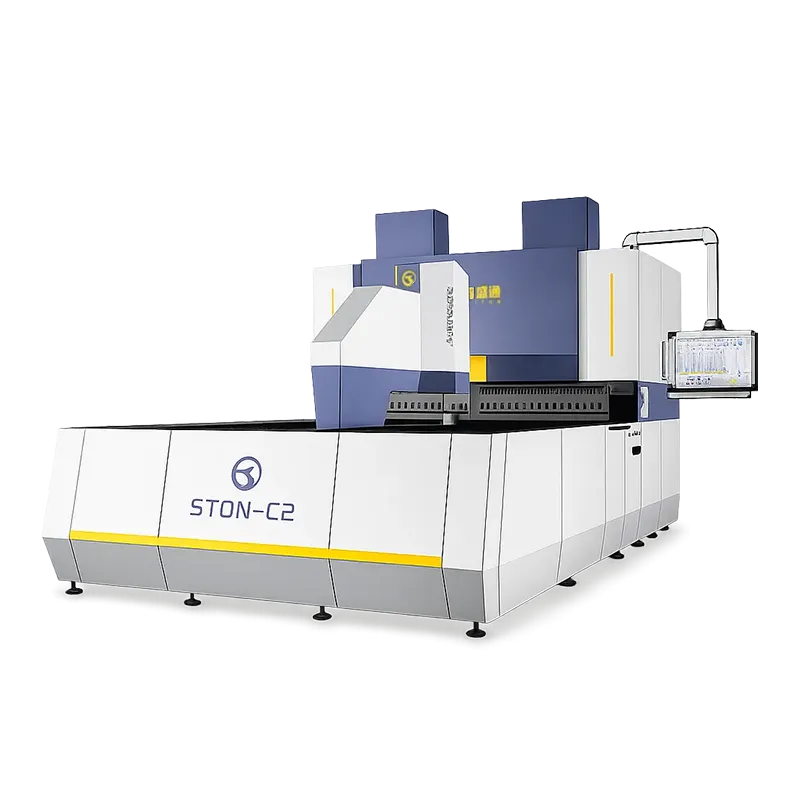
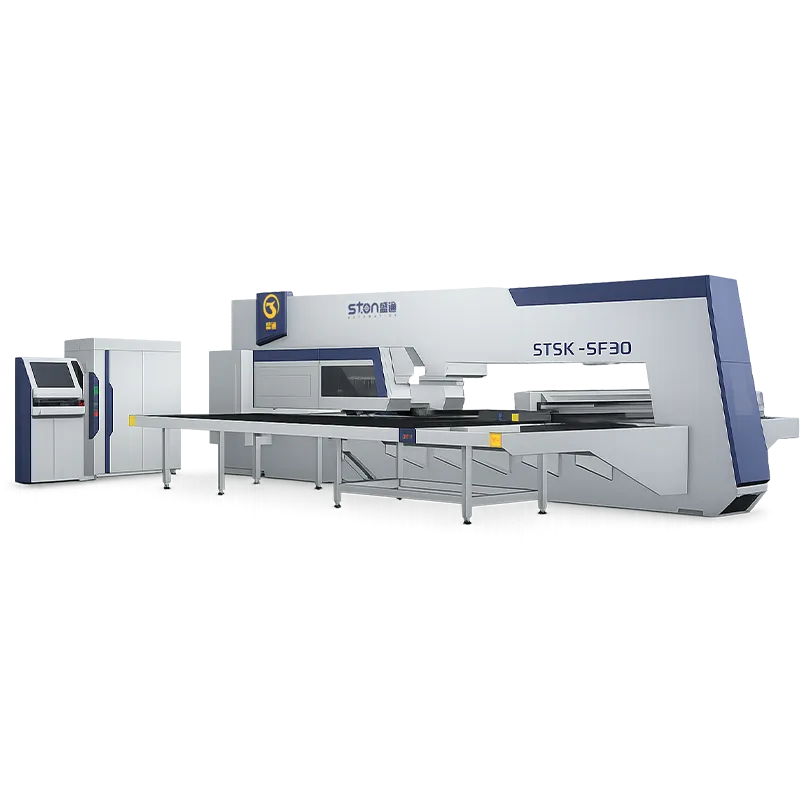
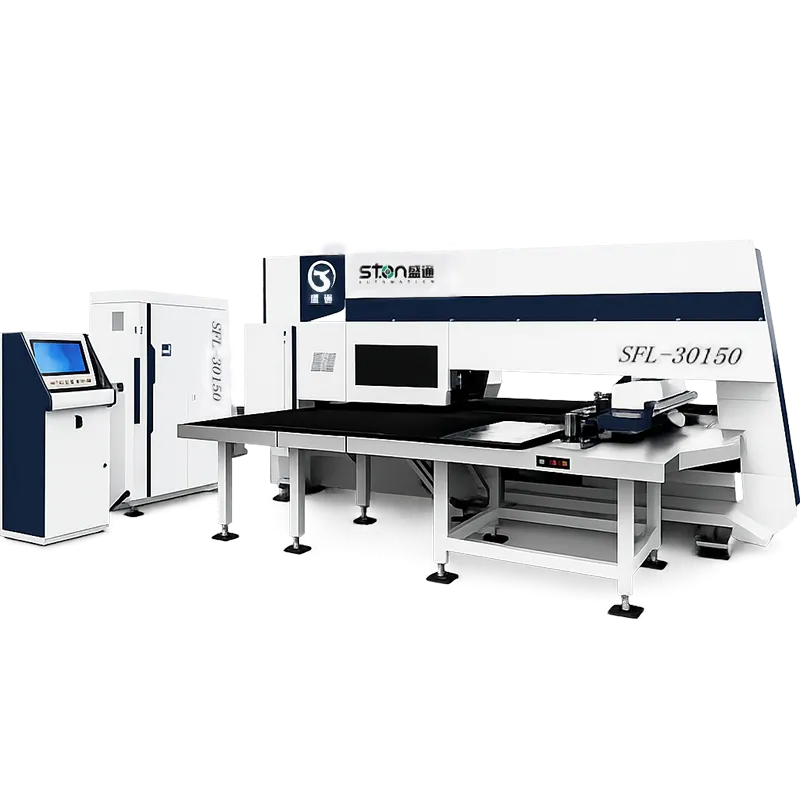
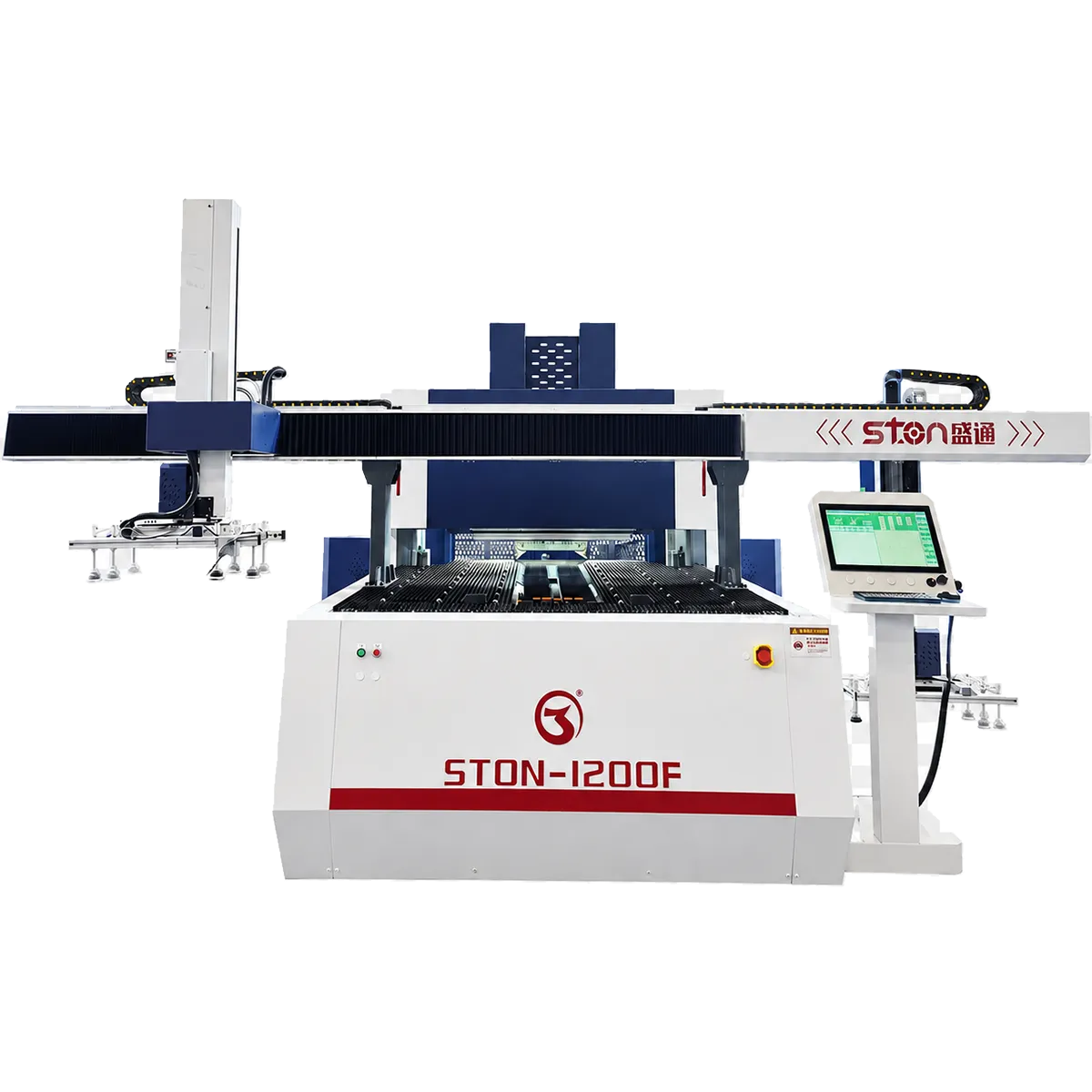
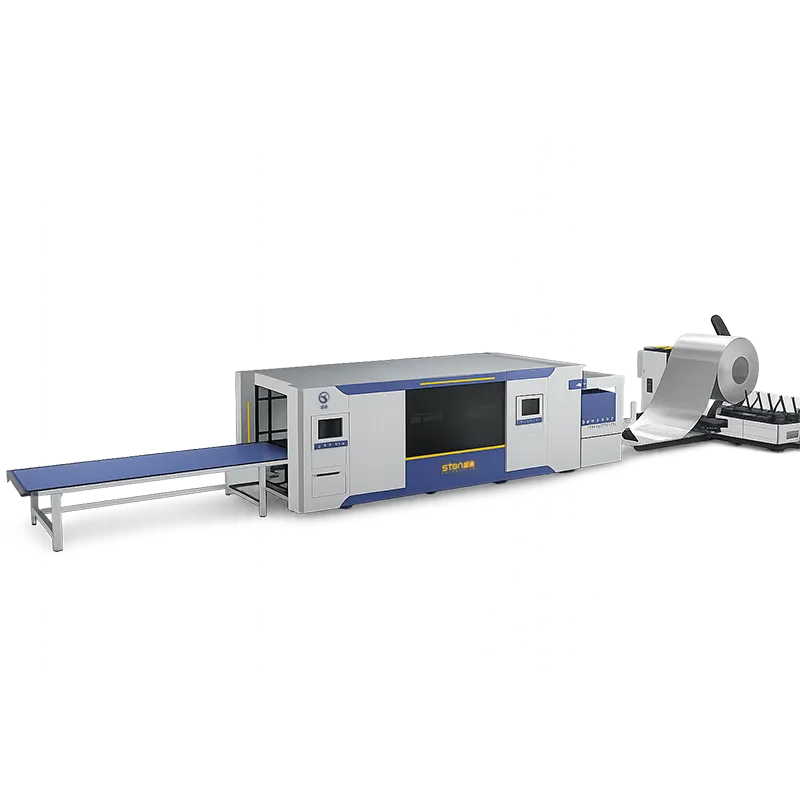
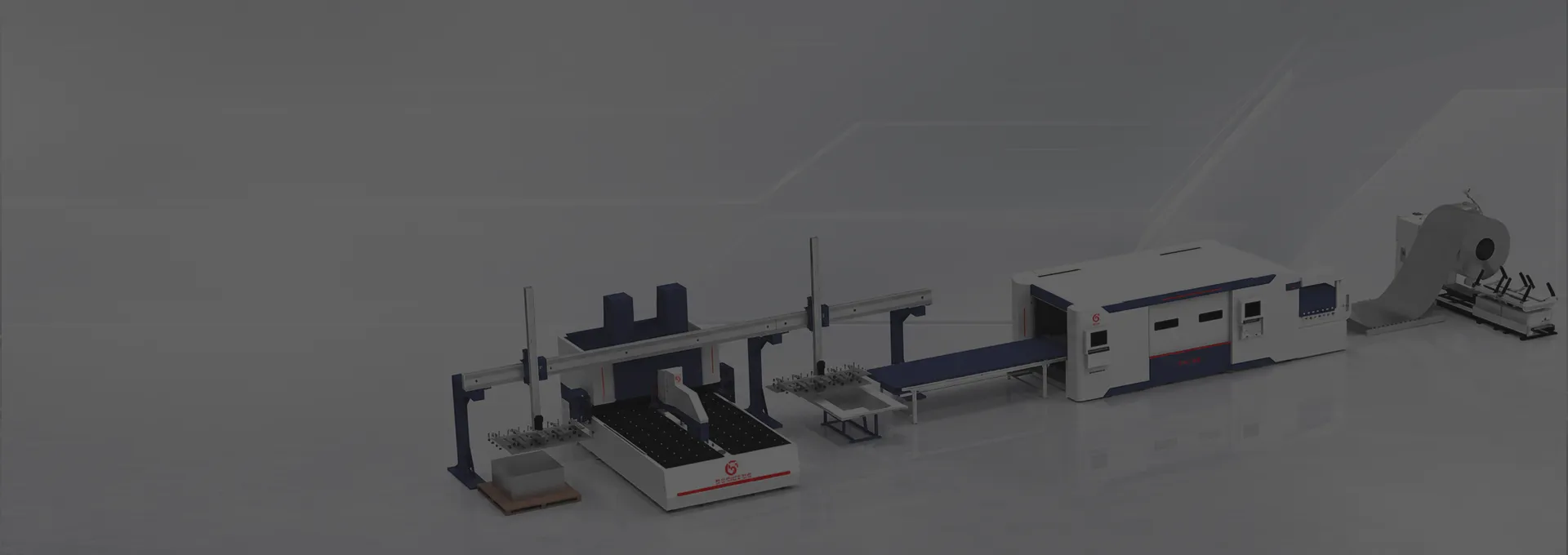
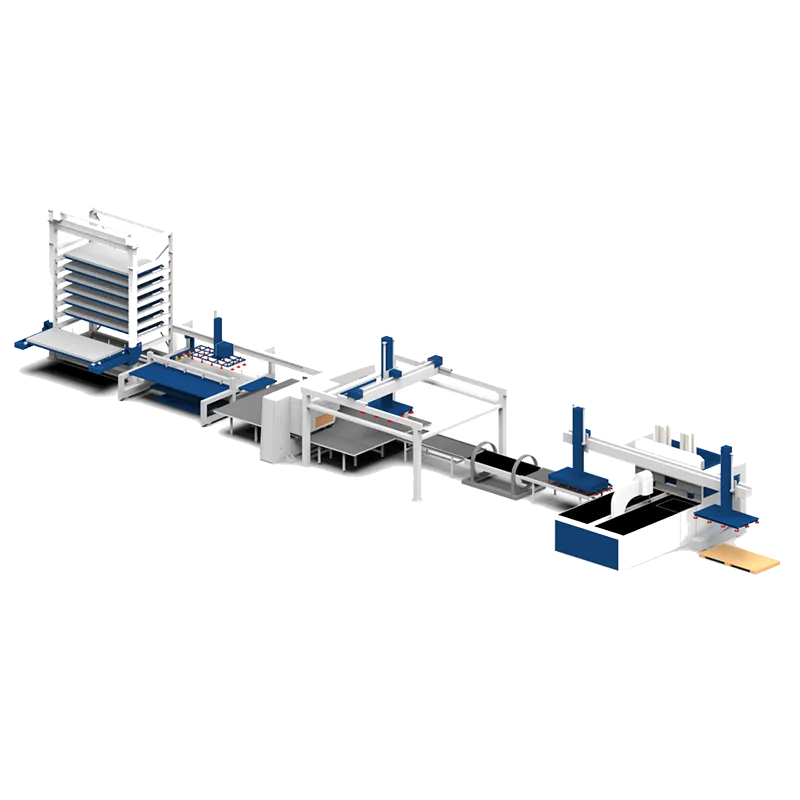
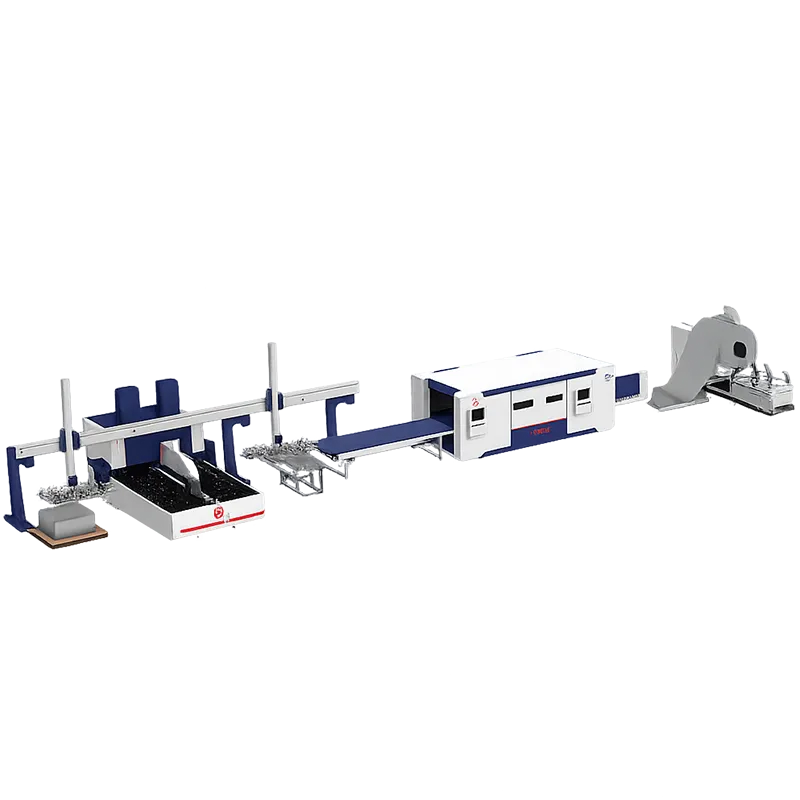
An automatic sheet metal production line should be designed from the product family, capacity target and plant layout. Available modules can include uncoiling, leveling, sheet or coil feeding, fiber laser cutting, CNC turret punching, bending, welding, robotic transfer and stacking. A project does not need every module; the correct line includes only the processes, buffers and interfaces needed for the actual parts.
Configurable Process Map
- Material preparation: coil or sheet storage, separation, uncoiling, leveling and feeding.
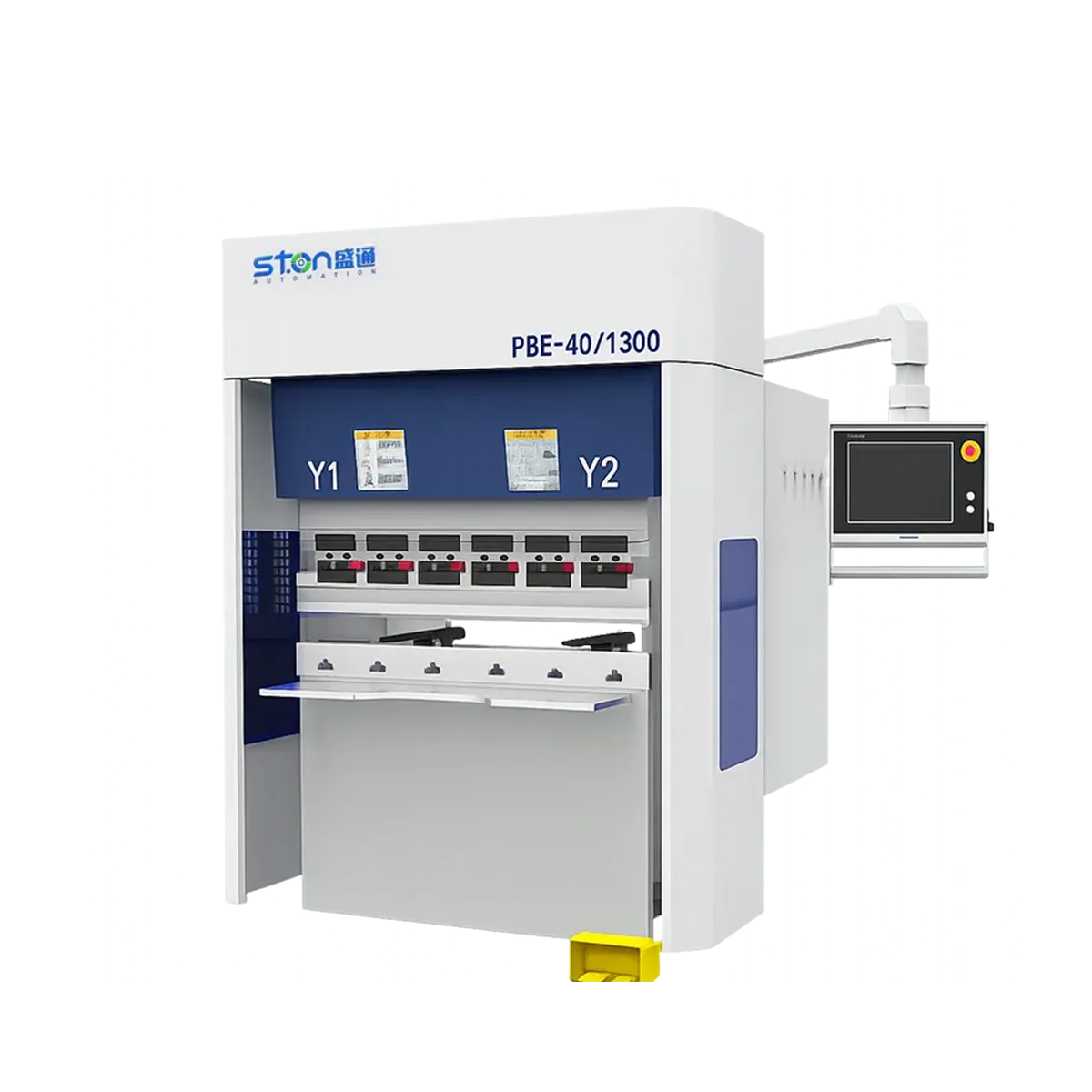
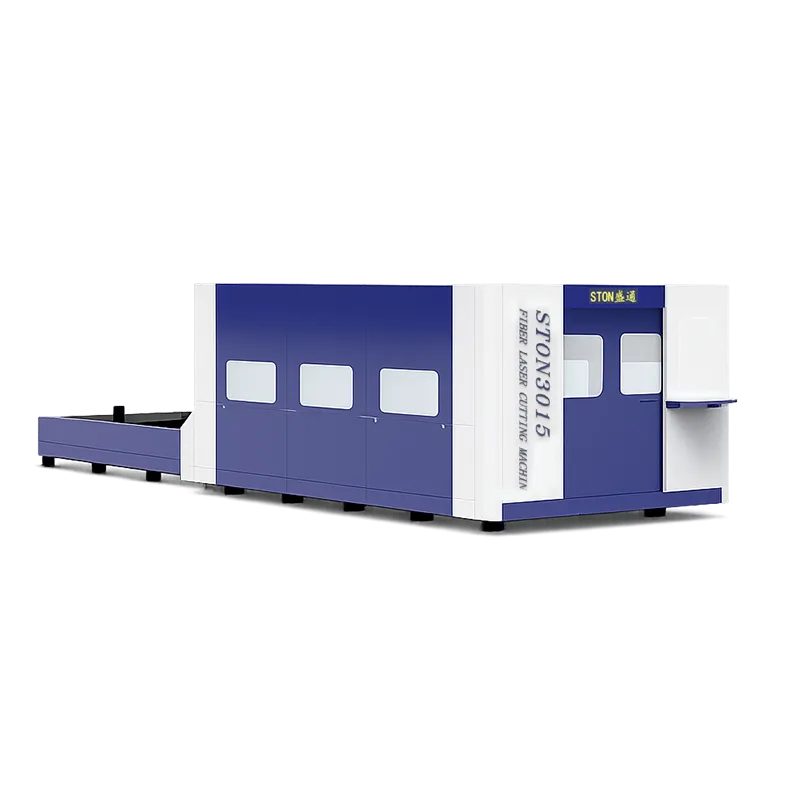
- Cutting and punching: fiber laser cutting, CNC turret punching or a combined punch-laser process.
- Forming and joining: panel bending, press-brake forming and welding where required.
- Transfer and output: robotic handling, stacking, part identification and connection to the next process.
Control, scheduling and traceability requirements should be defined along with the mechanical process. Existing equipment interfaces, data ownership and exception recovery must be checked before the layout is frozen.
Data Required to Start Engineering
Provide representative drawings, product families, material and thickness, batch or shift plan, target output, current process times, factory dimensions, utilities, existing machine interfaces and preferred material flow. These inputs allow STON to develop a candidate layout and identify where buffers, manual intervention or sample tests are needed. Site constraints and safety zones must be included from the beginning.
Evaluate Automation Value without a Generic ROI Promise
Project value should be calculated from the current baseline: manual loading and transfer time, changeovers, material utilization, work-in-process, staffing pattern, downtime and quality loss. The proposed line can then be evaluated against those variables. STON does not need to publish a fixed payback claim; a customer-specific model based on measured inputs is more useful and can be updated after sample and cycle validation.
Delivery and Acceptance Path
A practical project route includes data collection, solution design, sample or cycle verification, layout approval, manufacturing, factory acceptance testing, shipment, installation, commissioning, training and final acceptance. Spare parts, remote support, on-site service and documentation should be agreed in the contract. The acceptance plan should name the products, processes, output conditions, quality checks and responsibilities of both teams.
Related Equipment and Integration Options
Explore fiber laser cutting machines, CNC turret punching machines, CNC panel benders and automatic loading and unloading systems. STON operates a self-owned 20,000 square meter factory and can support in-house manufacturing and coordinated project planning, subject to the agreed scope for each installation.
Buffers, Software and Safe Recovery
An automated line must be able to handle variation as well as normal production. Engineering should define buffers between processes, part identification, scheduling rules, data exchange and ownership of the master production information. The layout should show safe access for maintenance, material replenishment and removal of rejected or unfinished parts. Risk assessment, guarding, interlocks, emergency stops and restart logic need to cover every connected module, not only the main machine.
Acceptance Metrics and Production Handover
Factory acceptance testing should use agreed product families and operating conditions. Measure the complete route: material input, process quality, transfer, stacking, alarms, changeover and recovery from planned faults. Output targets must state material, part mix, staffing and quality conditions. The handover package should include layouts, electrical and interface documentation, software backups, maintenance schedules, spare-parts recommendations and training for operators, maintenance staff and production supervisors. After commissioning, compare measured performance with the original baseline and adjust scheduling or buffers before drawing conclusions about payback.
Commercial Governance for a Multi-Supplier Project
When a line connects equipment from several suppliers, assign one owner for each mechanical, electrical, data and safety interface. The contract should include a responsibility matrix, approved layout, change-control process and conditions for cycle estimates. Separate machine, automation, software, integration, installation, training, spare parts and site-preparation costs. Confirm documentation language, remote-access policy, software licenses, warranty boundaries and support after handover. This governance is essential because a line can contain capable individual machines and still fail to meet the production goal if interface responsibilities are unclear.