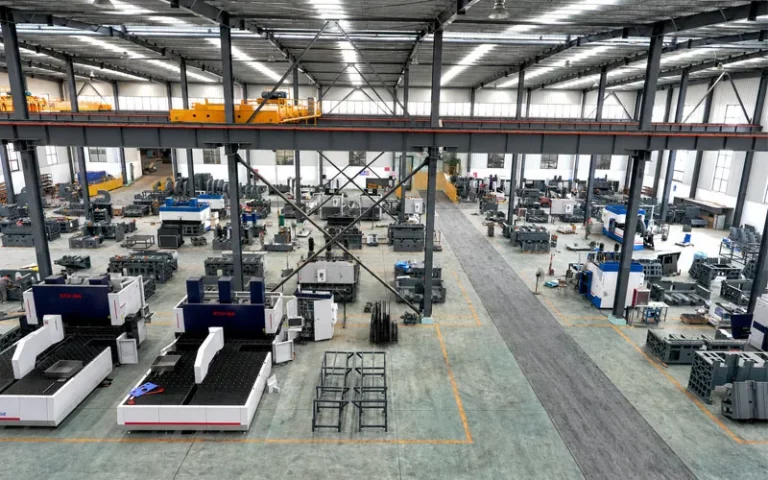
Manual bending slows production, creates unstable angles, and makes factories depend too much on skilled workers. When orders grow, these small problems become delivery pressure. A CNC panel bender helps sheet metal factories bend faster, improve accuracy, and automate repeated panel bending work.
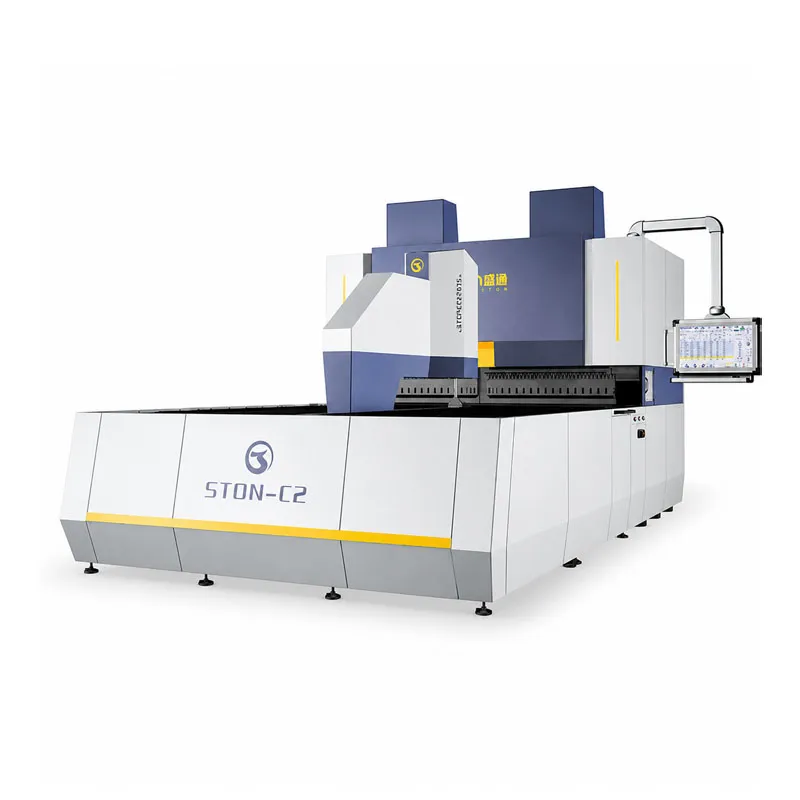
A CNC panel bender is an automatic sheet metal bending machine used to bend metal sheet parts with CNC control, automatic positioning, and programmable bend sequence. It is widely used for electrical cabinets, metal furniture, doors, kitchen equipment, HVAC panels, and automated sheet metal production lines.
What Is a CNC Panel Bender?
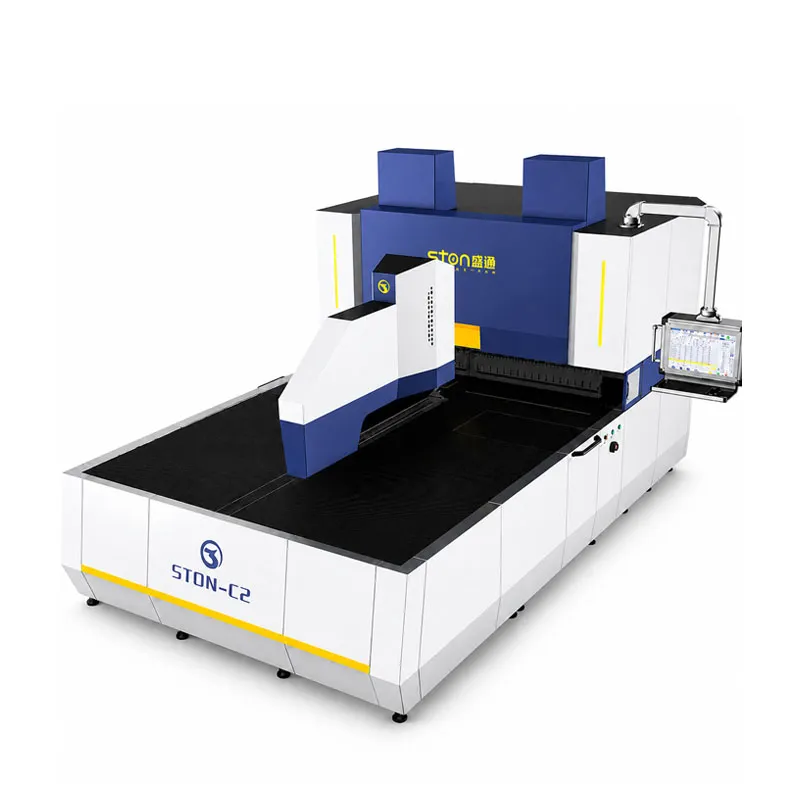
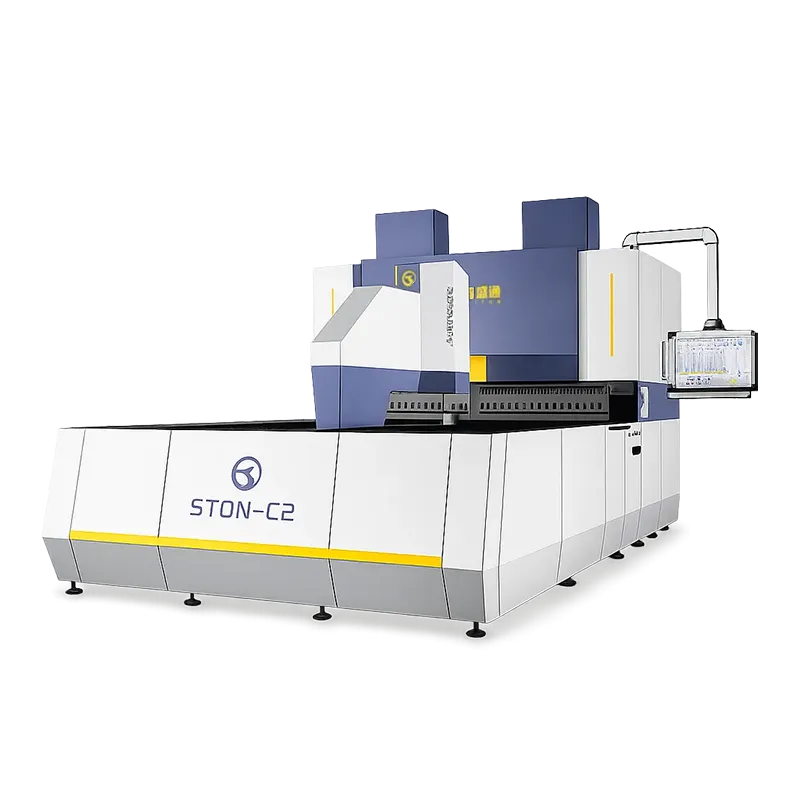
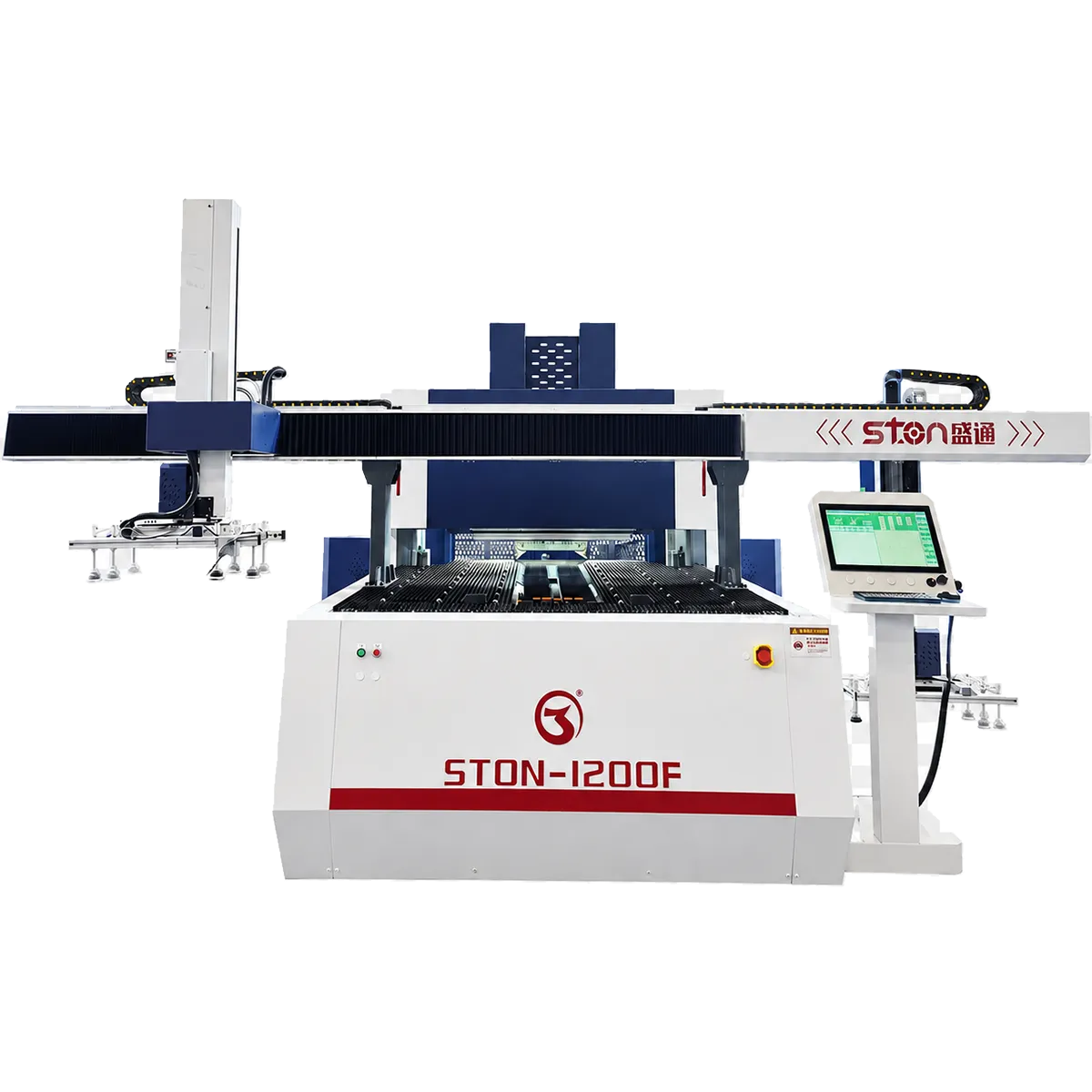
A CNC panel bender is a CNC sheet metal bending machine that uses automatic clamping, positioning, and bending tools to bend flat metal sheet parts into precise shapes. Unlike a traditional press brake, a panel bender holds the workpiece and moves the bending blade up and down to form edges, flanges, boxes, and panels.
In simple terms, a panel bender is an automated machine tool designed for repeatable sheet metal bending. The operator or automatic sheet loading system places the workpiece into position. The CNC controller reads the program, controls the clamp, selects the bend sequence, and completes the bending process with stable angles.
Factories use a panel bender when they need fast, clean, and repeatable panel bending. It is common in electrical cabinet production, switchgear, HVAC products, kitchen equipment, metal furniture, stainless steel cabinets, filing cabinets, elevator panels, and new energy equipment. For these industries, the goal is clear: bend more parts with fewer operators and better consistency.
How Does an Automatic Panel Bender Work?
An automatic panel bender works by holding the metal sheet firmly, positioning it with CNC control, and using a bending blade to bend the edge. The machine can bend upward or downward depending on the model and bending options. The workpiece stays more stable during the bending process, which helps improve surface quality and bending accuracy.
A typical bending flow looks like this:
Drawing File
↓
CNC Program
↓
Automatic Positioning
↓
Clamp and Bend
↓
Automatic Bend Sequence
↓
Finished Sheet Metal Part
In many modern systems, the panel bender can also work with automatic loading, robotic handling, or production line integration. This allows the factory to automate not only bending, but also feeding, unloading, sorting, and connecting with storage systems. That is why many buyers see the panel bender as more than a single bending machine. They see it as a step toward smart manufacturing.
For factories with high-mix orders, the advantage is strong. Once the CNC program is ready, the machine can bend different parts with less manual adjustment. This helps reduce worker skill dependence and makes production more predictable.
Panel Bender vs. Press Brake: Which Bending Machine Fits Your Factory?
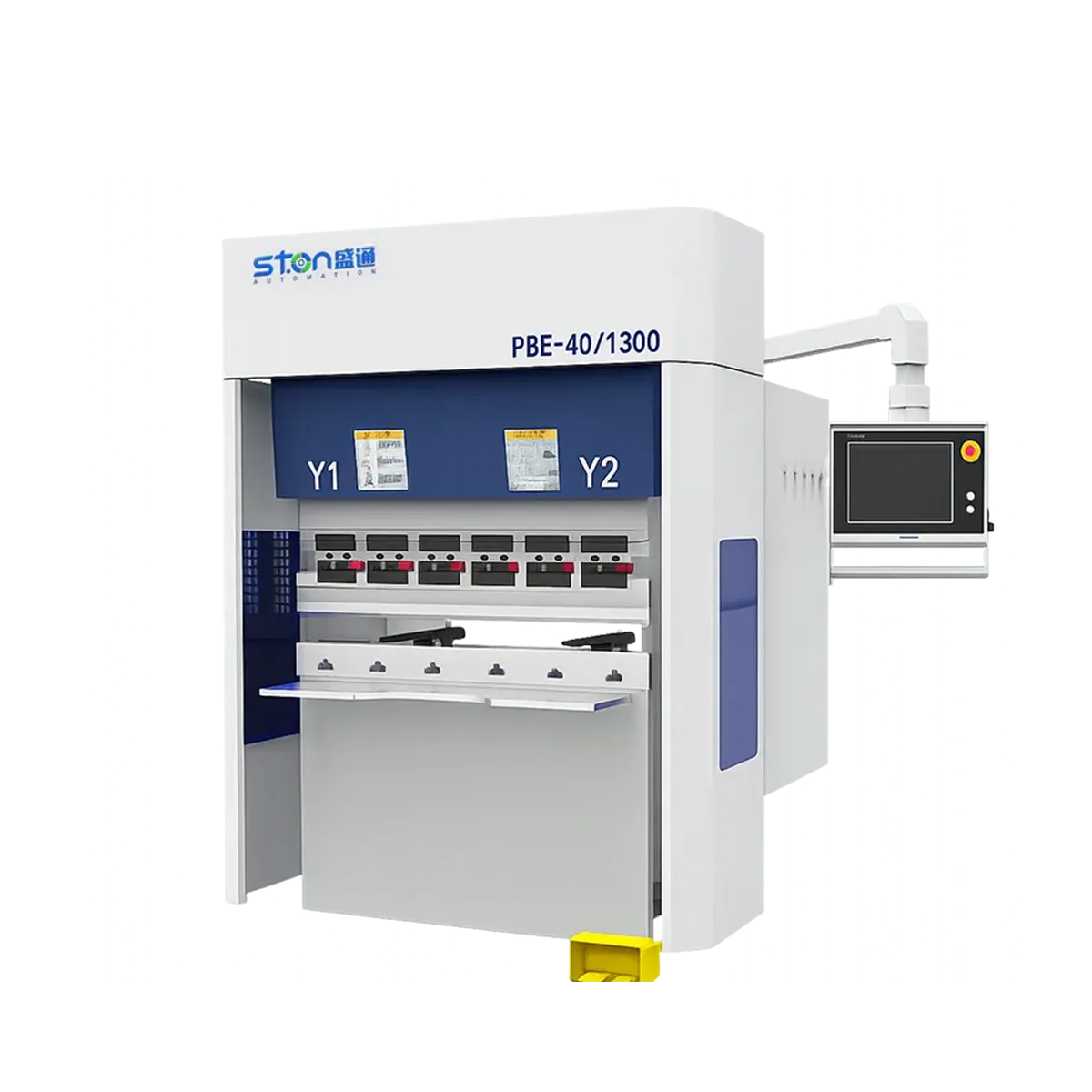
A press brake is one of the most common machines for sheet metal bending. It uses an upper punch and lower die to bend the workpiece. A press brake is flexible and can process many part types, especially larger parts, thicker materials, and custom bending jobs. Many factories still need press brakes, especially CNC press brakes, for broad bending work.
A panel bender works differently. It is usually better for panel-shaped parts with multiple flanges and repeated bends. The workpiece can stay supported on the table, while the bending tool forms the edges. This makes the panel bender useful for cabinets, doors, covers, shelves, and box-type parts.
The right answer is not “panel bender or press brake.” The better question is: What parts do you bend every day? If your factory makes many cabinet panels, metal doors, shelves, drawers, covers, or HVAC panels, a panel bender may improve productivity quickly. If you process many different thick or heavy parts, a press brake may still be necessary.
In many STON CNC projects, buyers use both. The panel bender handles repeated panel parts, while the press brake handles special work. This gives the factory more bending options and better production balance.
Why Does CNC Control Improve Bending Accuracy?
CNC control improves bending accuracy because the machine follows programmed values instead of relying only on manual judgment. The CNC panel bender controls the position, clamp, bending angle, bend length, bending height, and bend sequence. This makes the bending process more stable from the first part to the last part.
With advanced CNC control, the machine can store programs for different parts. When the same order comes again, the operator can call the program and run the job faster. This reduces setup time and helps factories manage repeated orders. It also helps new workers operate the machine with less training.
A stable bending result depends on several factors:
- Rigid machine frame for long-term stability
- Accurate CNC control and servo movement
- Proper bending tool selection
- Stable clamp force
- Correct metal sheet position
- Suitable bending blade design
- Good material data and program settings
For B2B manufacturers, precise bending is not only about one nice part. It affects the whole product. If the panel is bent poorly, assembly becomes harder. If the angle is unstable, the cabinet may not close well. If the surface is scratched, the final product may fail inspection. Good bending accuracy protects the whole production chain.
How Do Automatic Loading, Positioning, and Automation Reduce Labor?
Labor cost is one of the biggest reasons factories invest in automated sheet metal bending. A traditional bending line may need skilled operators to lift, rotate, align, and bend each workpiece. When the part is large or the order is urgent, this becomes tiring and slow. Mistakes also increase.
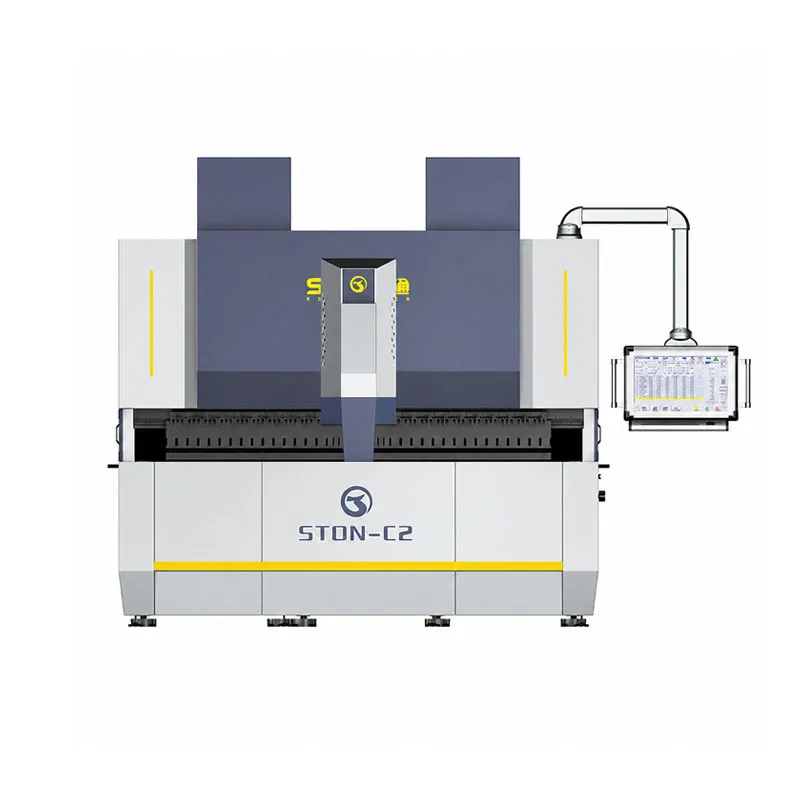
A fully automatic panel bender can work with automatic loading, automatic positioning, and unloading systems. The machine can position the sheet, clamp it, and follow the automatic bend sequence. This helps automate repeated bending operations and reduces dependence on manual handling.
A simplified automated bending line may look like this:
Raw Sheet
↓
Laser Cutting / Punching
↓
Automatic Loading
↓
CNC Panel Bending
↓
Unloading
↓
Sorting
↓
Assembly
This type of automation gives three practical benefits:
- Lower labor pressure
- Fewer workers are needed for repeated bending tasks.
- More stable product consistency
- The machine follows the same CNC program every time.
- Better delivery control
- The factory can plan production more clearly and reduce delays.
STON CNC focuses on this kind of upgrade. We do not simply sell a panel bender machine. We help customers think about cutting, punching, bending, handling, storage, and production line integration.
How Does STON CNC Support Intelligent Sheet Metal Production Lines?
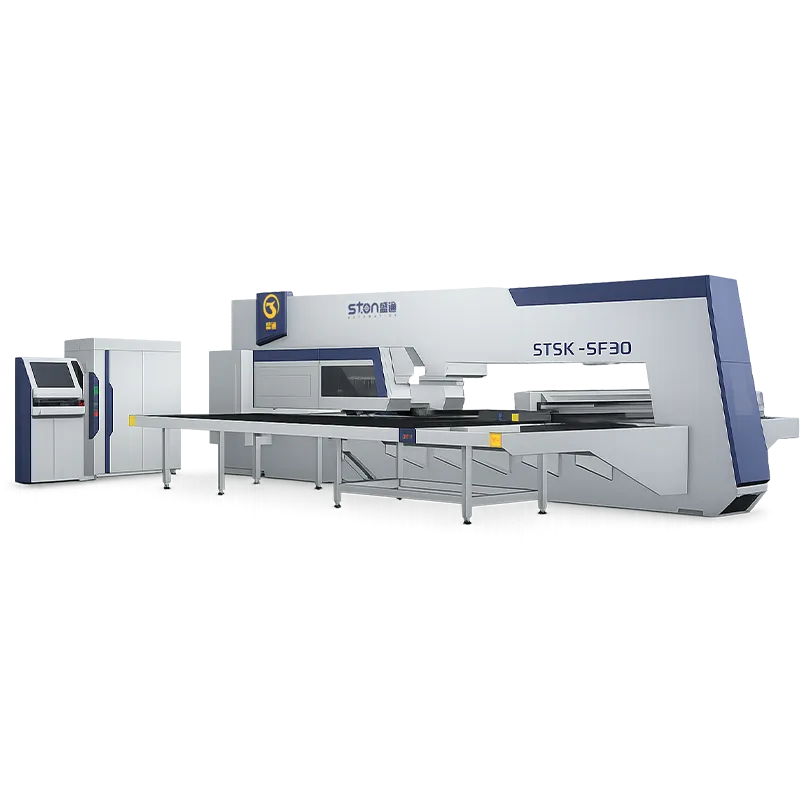
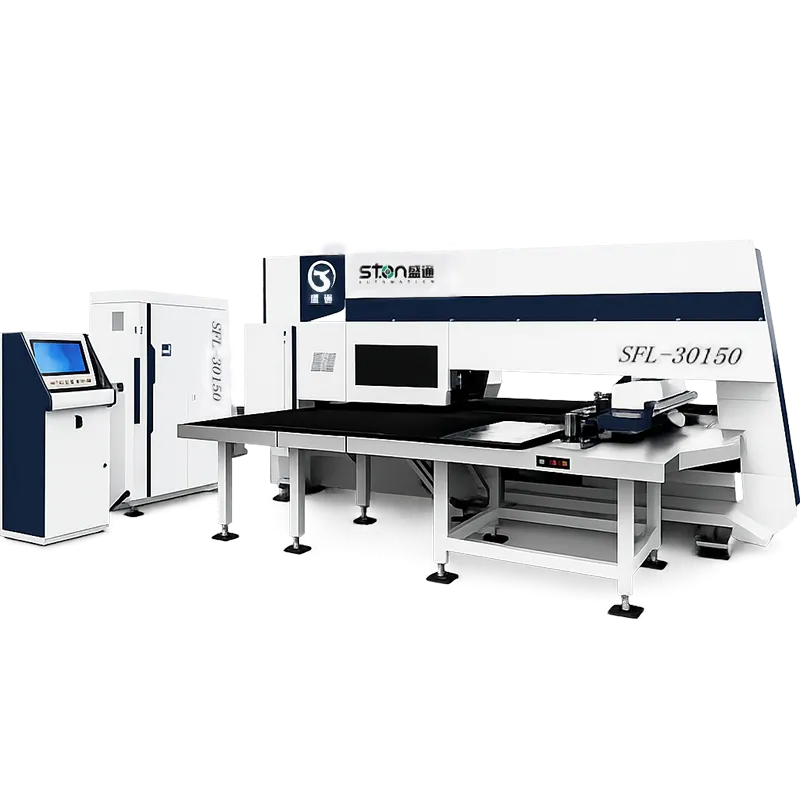
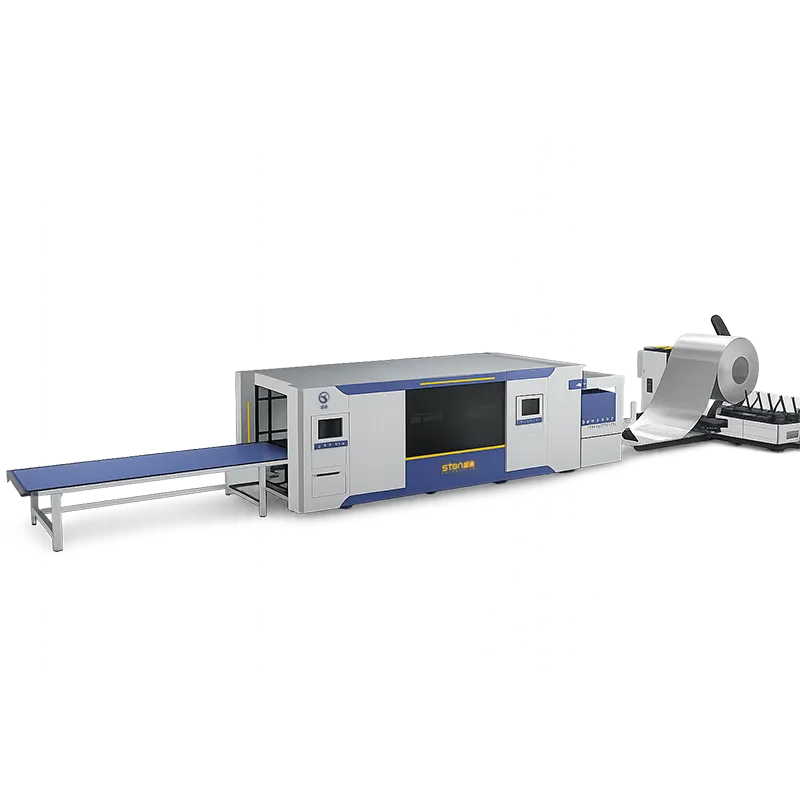
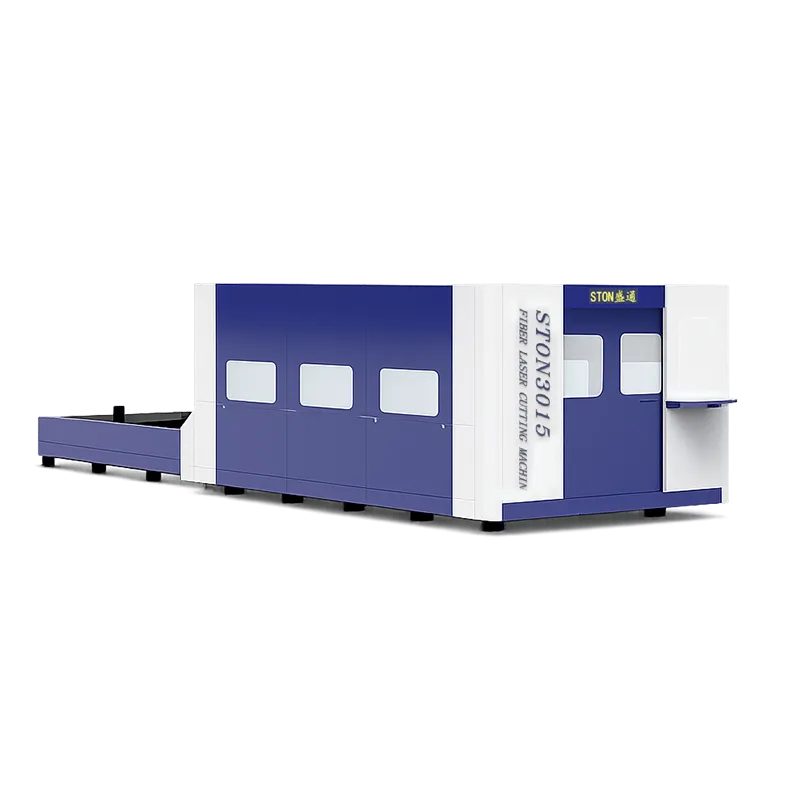
STON CNC is positioned as a high-end equipment provider for global B2B manufacturing customers. We focus on CNC sheet metal processing equipment and intelligent automated production line solutions. Our product range includes CNC panel benders, turret punching machines, press brakes, laser cutting machines, automatic loading and unloading systems, and customized sheet metal production lines.
Our value is not limited to one bending machine. STON helps sheet metal factories upgrade cutting, punching, bending, handling, storage, and production integration. For many overseas customers, this means moving from manual processing to a high-precision, high-efficiency, and low-labor-dependence production model.
Our main overseas customers include:
- Medium and large sheet metal fabrication factories
- Electrical cabinet and switchgear manufacturers
- Metal furniture and filing cabinet factories
- Door manufacturers
- Kitchen equipment producers
- HVAC and ventilation equipment factories
- New energy equipment manufacturers
- Machinery distributors
- Automation integrators
These customers care about processing efficiency, bending accuracy, punching accuracy, labor costs, product consistency, surface quality, delivery pressure, automation level, equipment stability, customization ability, and after-sales support. STON CNC designs solutions around these real concerns.
For example, a cabinet factory may start with a laser cutting machine and a press brake. As orders grow, it may add a flexible bending center or an automatic panel bending machine. Later, it may connect cutting, bending, loading, and storage into a more complete automated sheet metal line. STON supports this step-by-step upgrade path.
Where Does a Flexible Panel Bender Fit in a Smart Factory?
A flexible panel bender fits best in a factory that processes many panel-shaped parts and wants faster order changeover. This is common in cabinet manufacturing, metal furniture, HVAC, appliances, and new energy equipment. These products often need different sizes but similar bending logic.
A smart factory does not happen in one day. Many companies start with one machine, then add automation step by step. A practical upgrade path may look like this:
Manual Bending
↓
CNC Press
↓
CNC Panel Bender
↓
Automatic Loading
↓
Automated Bending Cell
↓
Integrated Sheet Metal Production Line
In this path, the panel bender becomes the key bending system for repeated panel work. It can work beside CNC press brakes and cutting systems. When planned correctly, the factory gains speed, flexibility, and better product flow.
This is especially useful for international B2B buyers who face rising labor costs and shorter delivery times. The right bending systems help them stay competitive without depending too heavily on skilled manual bending workers.
FAQs About CNC Panel Benders
What is a CNC panel bender used for?
A CNC panel bender is used to bend sheet metal panels, cabinet parts, doors, shelves, covers, drawers, HVAC panels, and box-shaped parts. It is ideal for factories that need repeated, accurate, and fast panel bending.
Is a panel bender better than a press brake?
A panel bender is better for repeated panel parts, cabinet parts, and multi-edge bending with lower labor demand. A press brake is better for general bending, thicker parts, and more varied custom jobs. Many factories use both machines together.
What materials can an automatic panel bender process?
An automatic panel bender can process carbon steel, stainless steel, galvanized sheet, aluminum, and coated sheet, depending on the model and tooling. Buyers should confirm material thickness, bend length, and bending height before choosing a machine.
Can a panel bender reduce labor costs?
Yes. A panel bender can reduce manual positioning, flipping, measuring, and repeated handling. With automation, it can reduce dependence on skilled workers and help factories improve productivity.
What is the difference between a panel bender and a folding machine?
A folding machine bends sheet metal by folding the edge along a clamped line. A panel bender is a more automated bending system with CNC control, automatic positioning, and programmed bend sequences. In many cases, a panel bender can be seen as a more advanced automated bending solution.
How do I choose the right CNC panel bender?
You should review your part drawings, material, thickness, bend length, bending height, production volume, factory layout, and automation needs. Then choose a machine that matches your actual workpiece and future production plan.
Can STON CNC provide a customized panel bending solution?
Yes. STON CNC can review your drawings, production process, and factory layout. We can provide CNC panel benders, press brakes, turret punching machines, laser cutting machines, loading and unloading systems, and customized sheet metal production line solutions.



 June 15, 2026