Choose the Handling Method Around the Machine and Material Flow
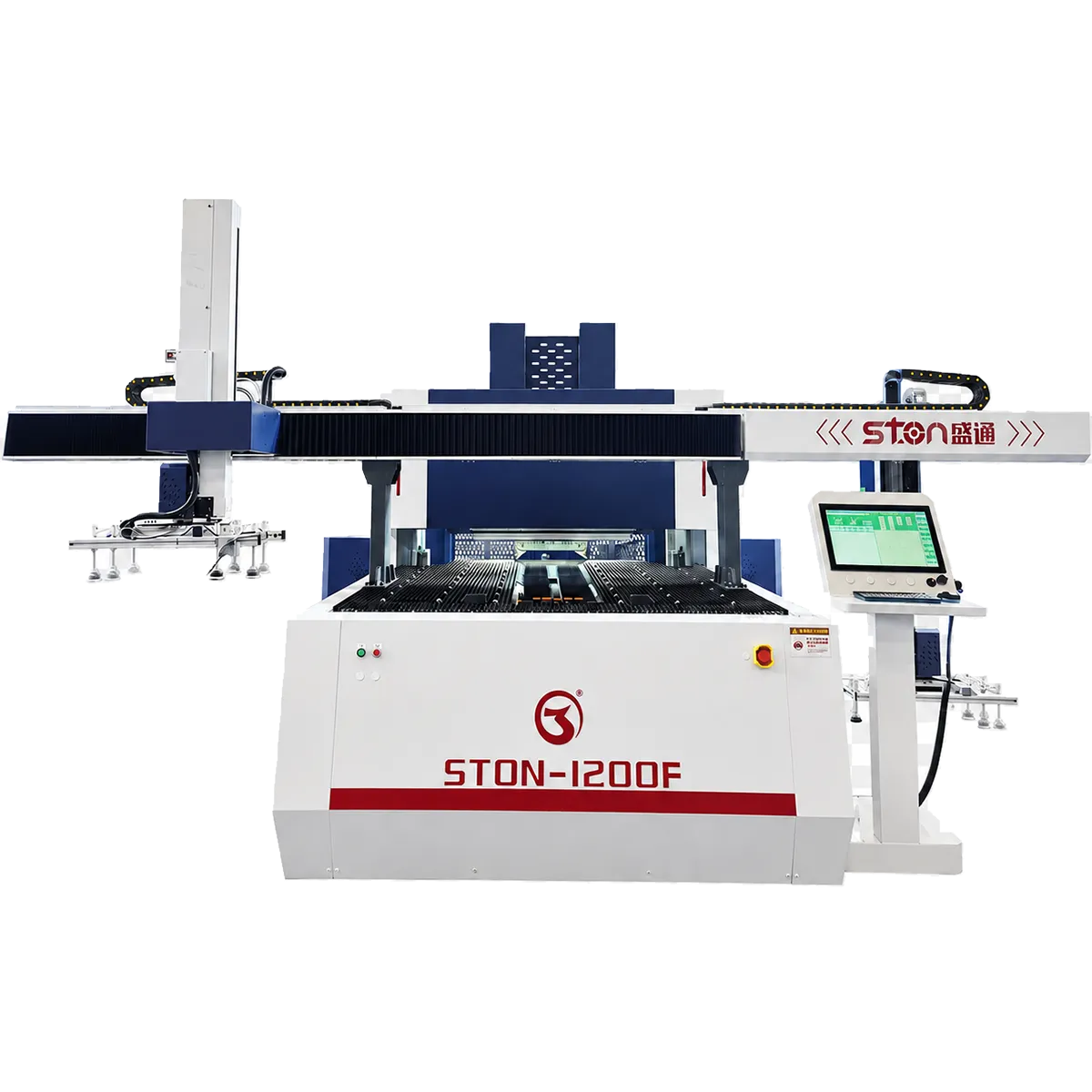
STON automatic loading and unloading systems can use robot, gantry or truss-based handling for sheet picking, positioning, machine loading, unloading and stacking. The correct method depends on the connected equipment, sheet or part dimensions, weight, cycle target, stack condition, floor space and handling flexibility. A system should be engineered from the real layout rather than selected only by the name of the mechanism.
Robot, Gantry and Truss Selection Matrix
- Robot handling: evaluated when flexible movement, part orientation or connection between several process positions is required.
- Gantry handling: evaluated for overhead sheet transfer and layouts that benefit from a defined loading area.
- Truss handling: evaluated for repeated linear transfer, stacking and continuous sheet workflows.
These are planning directions, not universal rules. Payload, reach, sheet separation, gripper design, surface protection, cycle sequence and guarding must be confirmed by engineering.
Machines and Lines That Can Be Connected
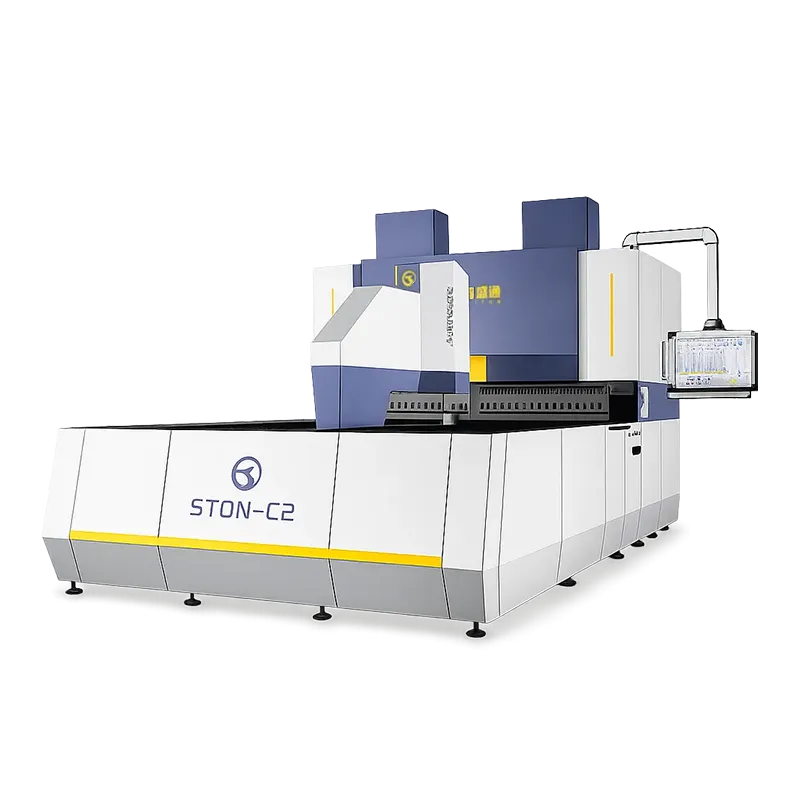
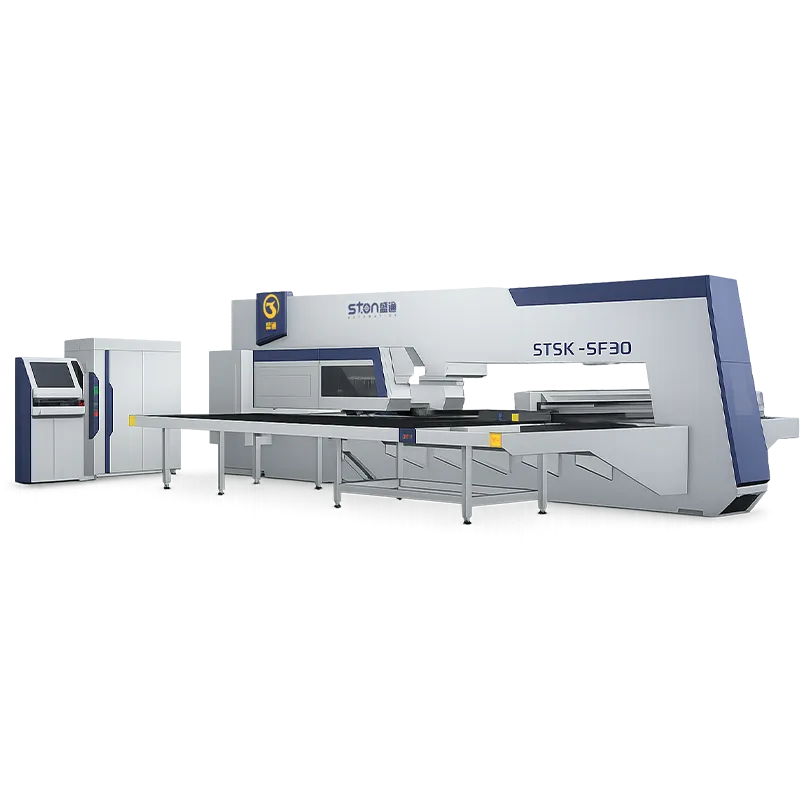
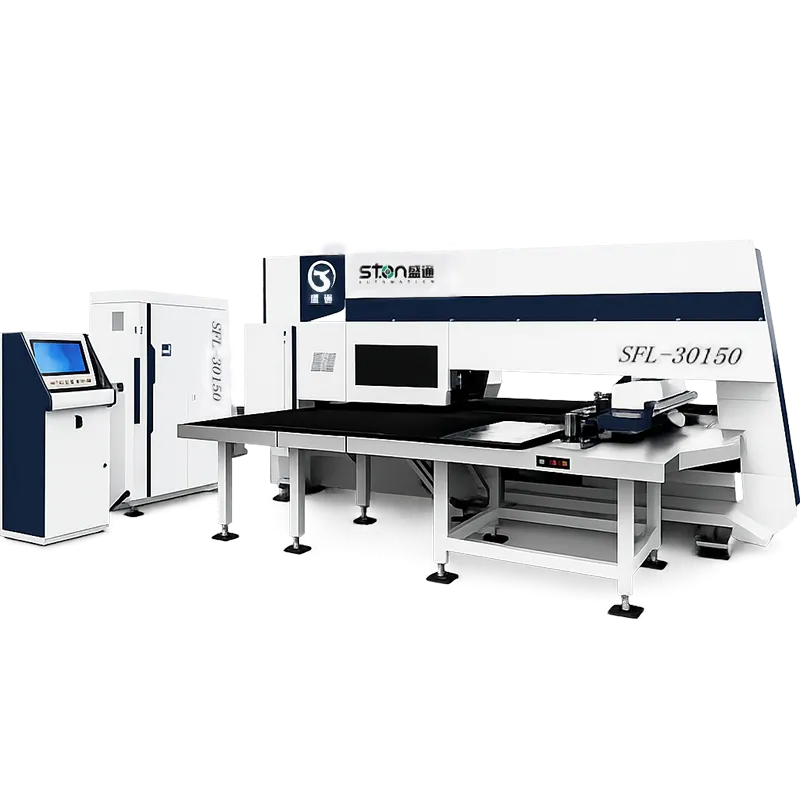
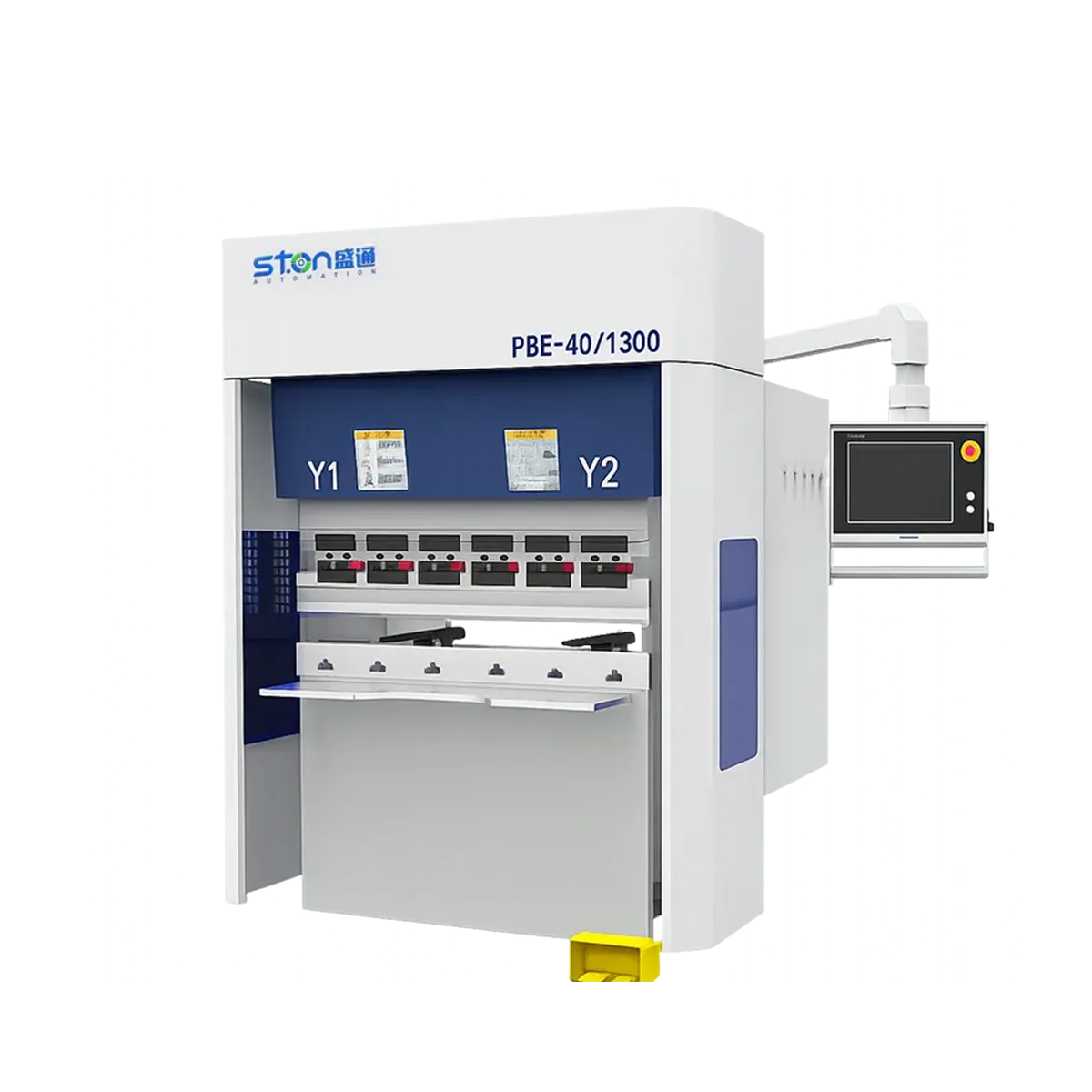
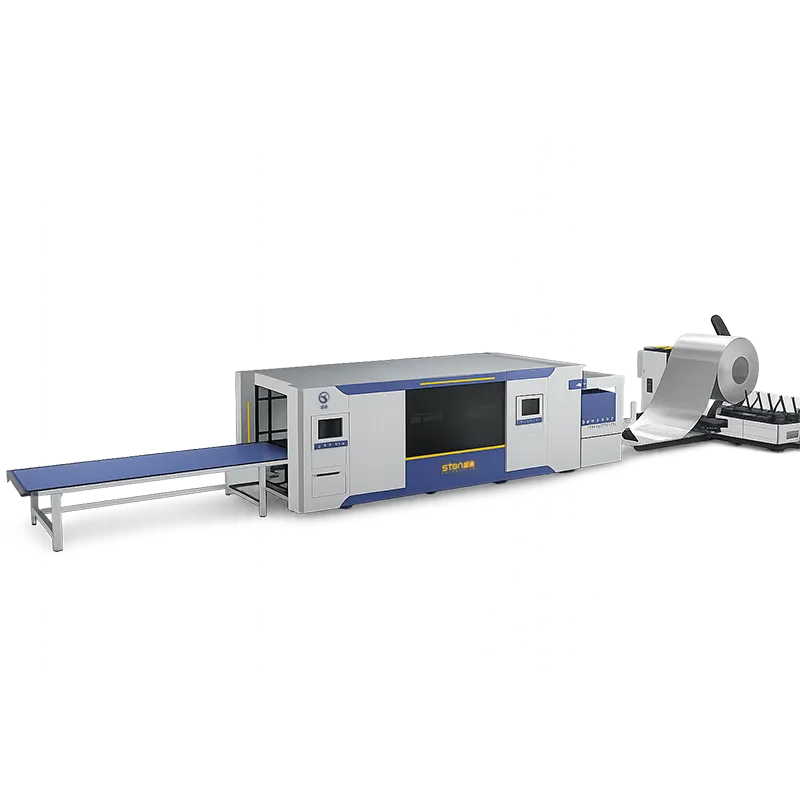
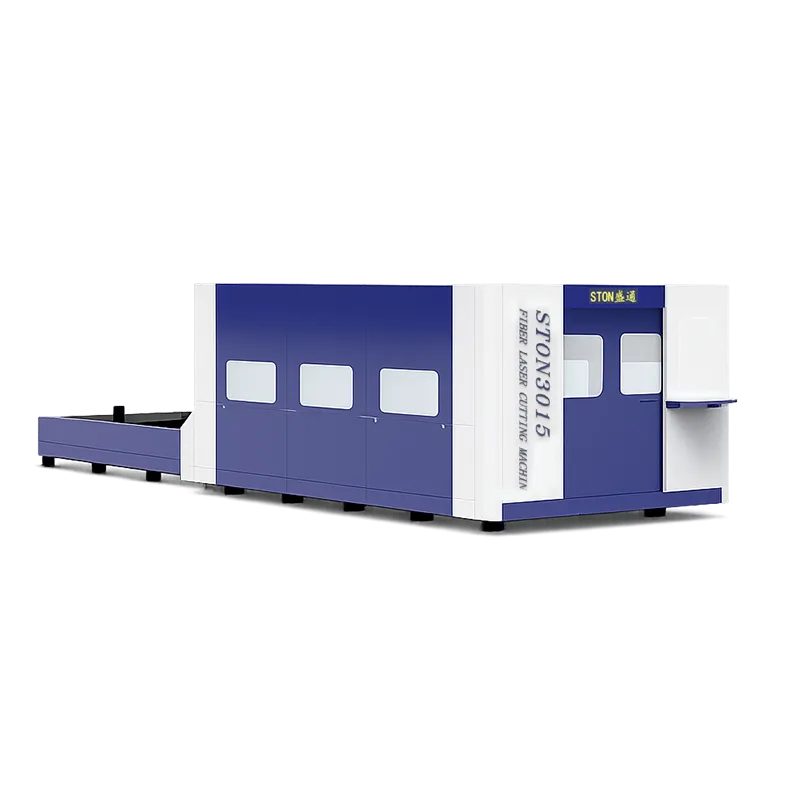
Handling modules can be evaluated with fiber laser cutting machines, CNC turret punching machines, CNC panel benders, press brakes and customized sheet metal production lines. Each interface needs agreed mechanical positions, I/O or data signals, safety logic, cycle ownership and recovery procedures.
Project Data Required before Layout Design
Provide the current machine model, sheet or part specifications, maximum size and weight, stack height, pallet format, loading and unloading sequence, target cycle, finished-part sorting, factory dimensions, utilities and safety-zone requirements. Photos and a dimensioned layout help identify columns, doors, aisles and service access that can affect the design.
Value and Acceptance Criteria
Automation can reduce repeated manual handling, help protect sheet surfaces and support longer coordinated operation. The actual result must be evaluated from the current staffing, handling time, machine waiting, material damage and production schedule. Acceptance should use agreed parts and include sheet separation, positioning, loading, unloading, stacking, alarms, recovery and safe operation rather than a generic efficiency promise.
Engineering, Installation and Support
STON supports in-house manufacturing, configuration, installation planning, commissioning, training, spare-parts preparation and after-sales communication from a self-owned 20,000 square meter factory. The project proposal should define responsibilities for site preparation, guarding, connected-machine access, factory acceptance testing and on-site acceptance. Send the equipment list and layout to begin a handling review.
Safety, Alarms and Recovery Are Part of the System
A handling cell must be designed for normal production, exceptions and maintenance. The layout should define guarding, access doors, interlocks, emergency stops, safe zones and service clearance. Control logic needs clear ownership between the handling system and connected machine. Agree how the cell responds to double-sheet detection, lost vacuum or grip, misalignment, empty stacks, full output pallets and an interrupted cycle. Recovery steps should let trained operators return the system to a known state without creating an unsafe shortcut.
Gripper, Surface and Stack Validation
Representative sheets and parts should be tested because surface condition, oil, perforations, cutouts, film and stiffness can affect gripping. Validate sheet separation, pickup points, deflection, orientation, positioning and release. Stacking tests should confirm pallet format, stack accuracy, separators and finished-surface protection. These checks are more useful than claiming that one gripper handles every material.
Maintenance and Production Handover
The handover scope should cover operator and maintenance training, inspection of suction cups or grippers, sensors, cables, lubrication points, safety devices, software backups and recommended spare parts. Factory acceptance testing should use the agreed machine interface and production sequence, including alarms and restart. Site acceptance should confirm floor conditions, utilities, guarding and safe access. Document remote support, on-site service responsibilities and response arrangements for the destination market before the project ships.
Commercial Scope and Interface Ownership
Compare handling proposals against the same connected machine, material range, stack format, cycle assumptions and layout. Separate the robot or structure, grippers, sensors, guarding, controls, software, installation, training and spare parts. Assign responsibility for every mechanical, electrical, data and safety interface. Confirm site preparation, documentation language, remote-access policy, warranty boundaries and acceptance sequence. A responsibility matrix is especially important when the processing machine and handling system come from different suppliers, because unclear interface ownership can delay commissioning even when both systems work separately.
Before approval, review factory capability, quality-control documentation, available service contacts and the exact training and spare-parts package. Any certification or destination-market compliance claim must be supported by current documents for the proposed system. Published customer examples should identify only details that are verifiable and authorized for public use.