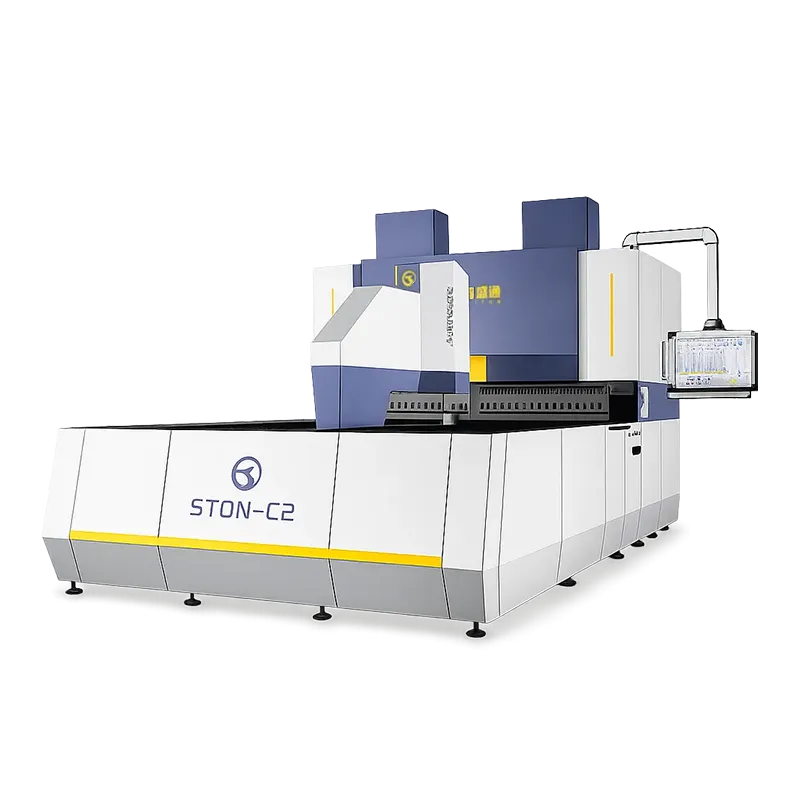
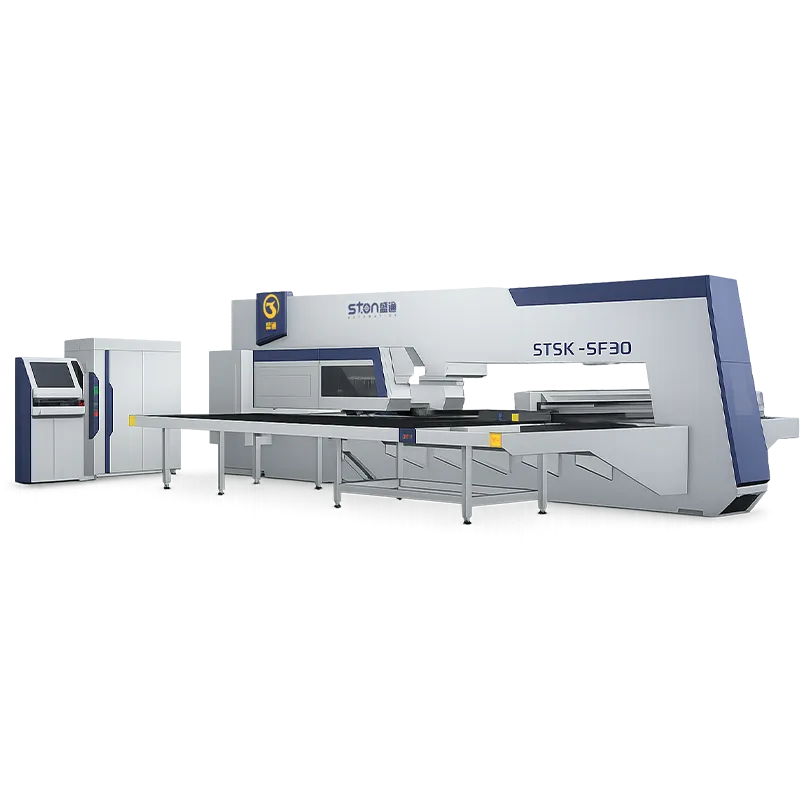
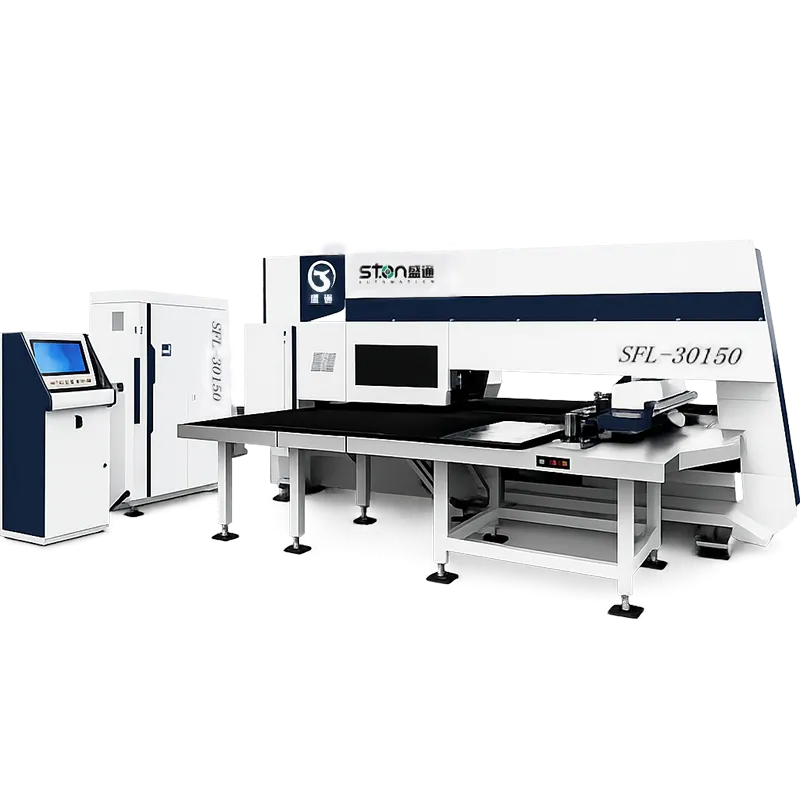
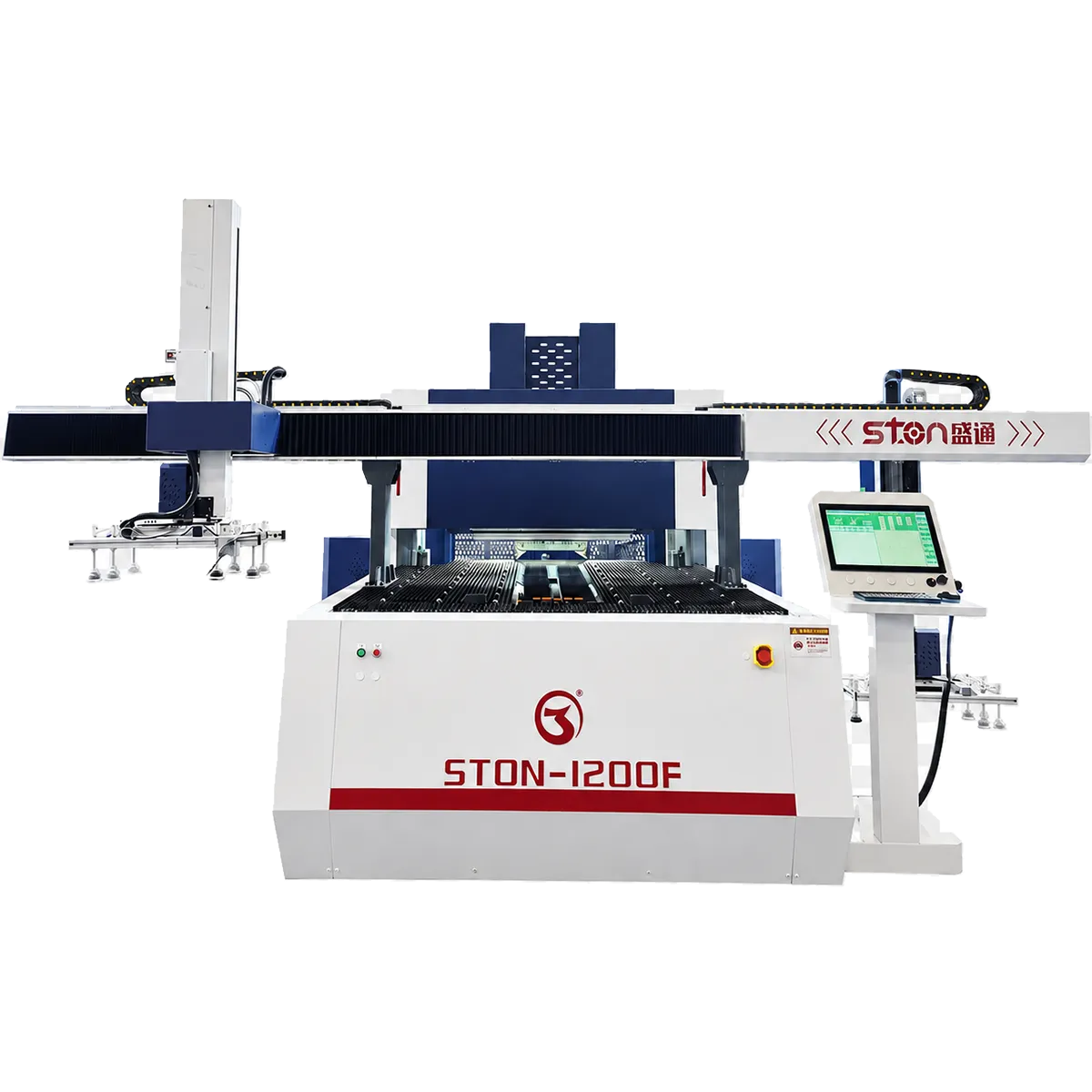
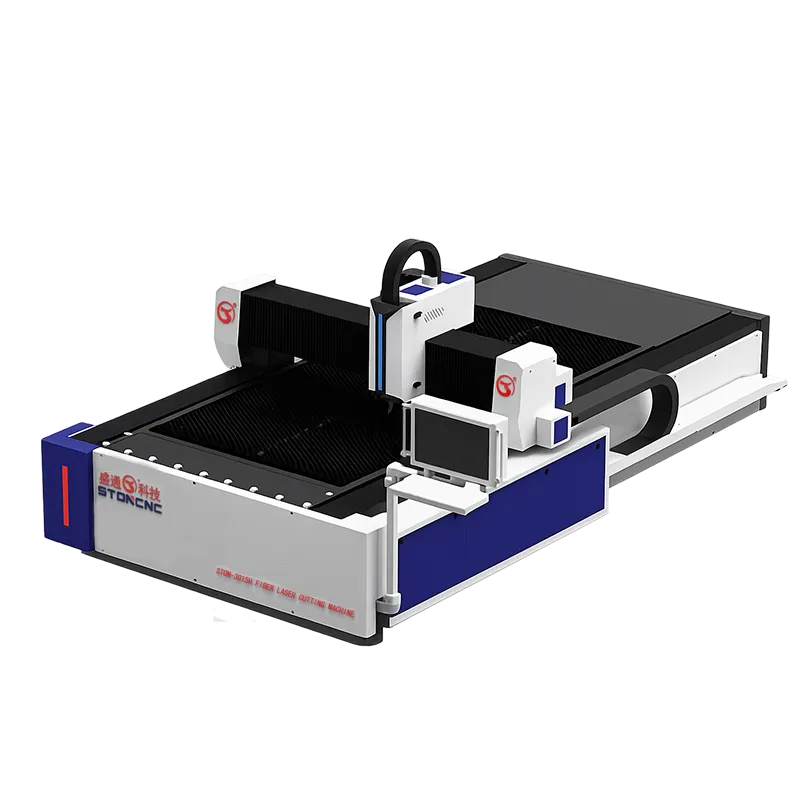
Select a Fiber Laser Cutting Machine from Material, Quality and Output
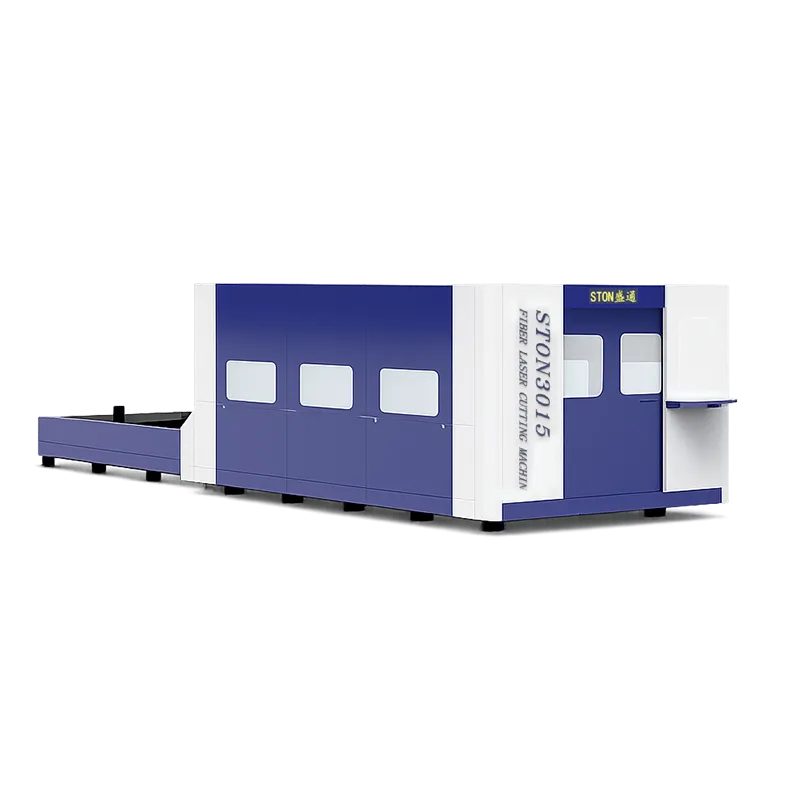
STON fiber laser cutting machines are designed for sheet metal processing with single-table, double-platform and automation-ready configurations. The current product resource records optional laser power from 1 to 6 kW and materials including carbon steel, stainless steel, galvanized sheet and aluminum. Actual cutting thickness, speed and edge quality must be confirmed for the selected power, material grade, assist gas, part geometry and production requirement.
How to Choose Laser Power and Material Capability
Higher power is not the only decision. The purchasing team should compare material mix, thickness distribution, pierce count, contour complexity, required edge condition, batch size, consumables and downstream finishing. Representative samples can confirm whether the proposed configuration meets the required cut quality and throughput. Avoid applying a single maximum-thickness claim to every material or quality level.
Single Table, Double Platform or Automated Loading?
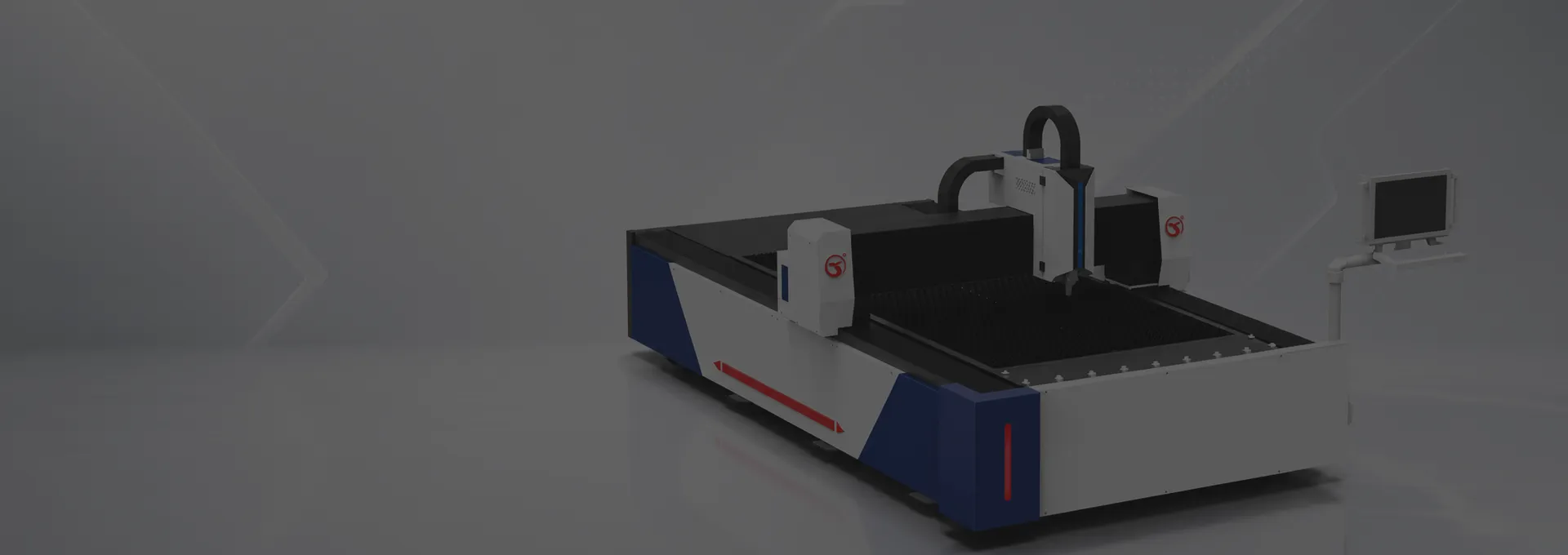
- Single table: considered for straightforward production and factories that can support manual material handling.
- Double platform: considered when alternating worktables can reduce waiting between cutting and loading.
- Automated handling: robot, gantry or truss systems can be evaluated for sheet loading, unloading and stacking.
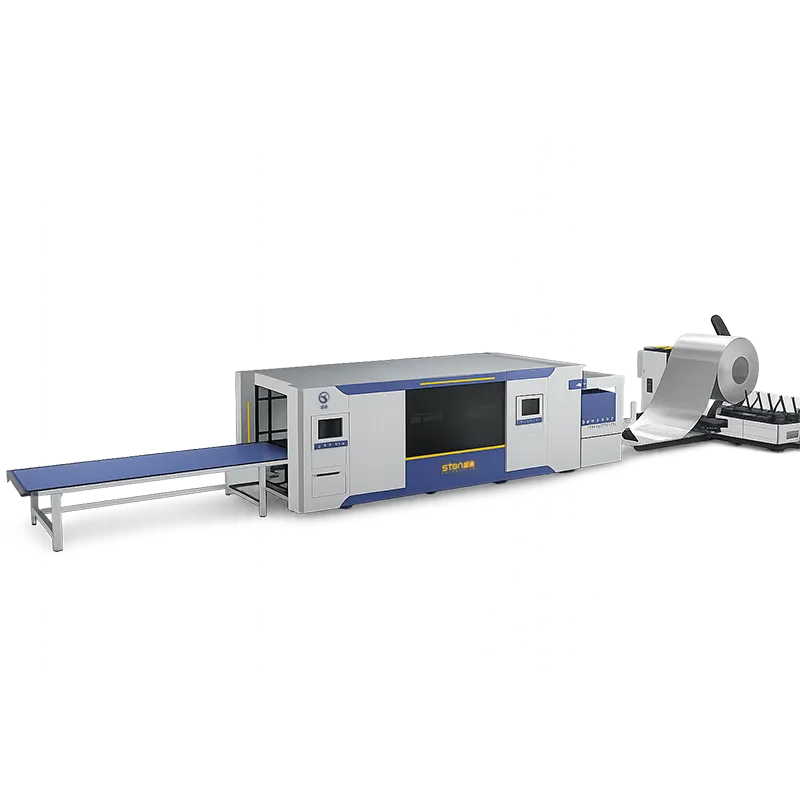
- Line integration: coil or sheet feeding, storage and downstream transfer can be designed as part of a larger workflow.
The best configuration depends on stack condition, sheet size, part sorting, floor space and the required unattended period. Review STON automatic loading and unloading systems for integration options.
Cut Quality and Production Efficiency
Intelligent nesting can improve material planning, while suitable process parameters support stable edges and manageable burr. These outcomes depend on programming, optics, gas, focus, nozzle condition, material surface and maintenance. The quotation should define the acceptance parts and quality criteria instead of promising an absolute speed or burr-free result for every job.
Laser Cutting or Punch-Laser Combination?
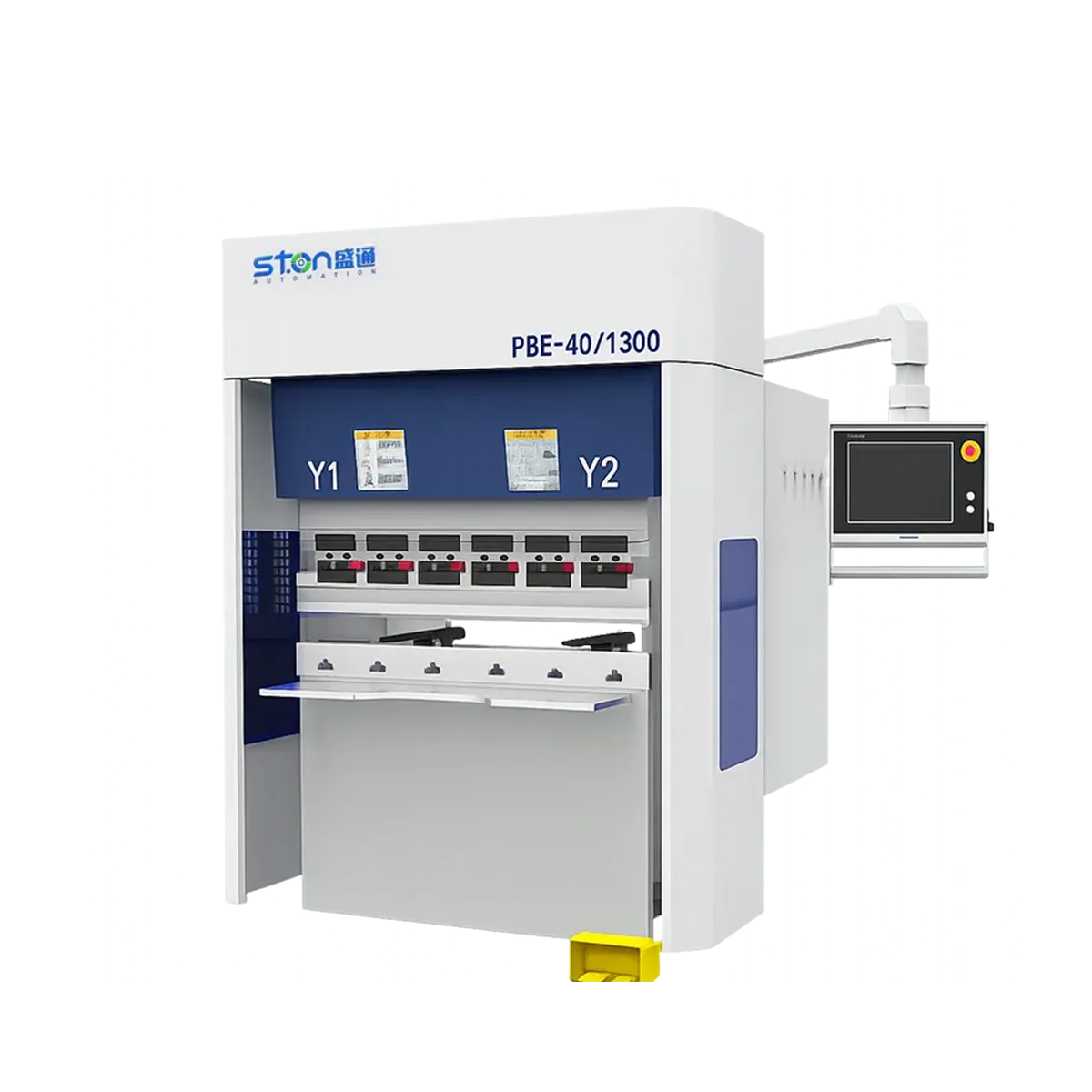
A standalone laser cutter is a flexible option when contour cutting dominates. If the parts also require repeated holes and formed features, compare a آلة مركبة للثقب بالليزر. For multi-process factory automation, the laser can also connect to an automatic sheet metal production line.
Inputs for Configuration and Sample Testing
Send drawings or nesting files, material grades, thickness range, sheet dimensions, target output, edge expectations, gas plan, loading method and factory layout. STON can then propose a candidate power and handling configuration and identify sample tests. Installation planning, training, spare-parts preparation and after-sales communication can be documented in the project scope.
Assist Gas, Consumables and Maintenance
Cutting results depend on the full process package. The purchasing team should review assist-gas type and supply, nozzle and lens consumption, extraction, cooling, compressed air, electrical capacity and material storage. Preventive maintenance should cover optics, nozzles, focus calibration, guide systems, cooling and fume extraction according to the selected equipment. The quotation should state included consumables, initial settings, software or nesting support and the recommended spare-parts list.
Acceptance Criteria for a Real Production Mix
Use agreed materials, thicknesses and representative drawings during factory acceptance testing. Inspect dimensions, contour quality, pierce condition, surface protection, part release and repeated-cycle stability. If double platforms or automatic handling are included, also test exchange time, sheet separation, positioning, stacking, alarms and recovery. Output figures should name the exact part mix, material, quality standard and operating conditions. Confirm operator and maintenance training, program backups, guarding, site preparation, installation responsibility and remote or on-site service scope before shipment.
Commercial Comparison and Site Requirements
Compare laser quotations using the same material mix, thickness distribution, drawing set, gas assumptions and quality criteria. Separate the machine, laser source, cutting head, chiller, extraction, compressor or gas equipment, nesting software, loading system, installation, training and spare parts. Confirm electrical capacity, floor conditions, fume routing, material access and maintenance clearance. The contract should identify software licenses, documentation language, remote-access policy, acceptance samples, warranty boundaries and responsibility for site utilities. This makes a low headline machine price less likely to hide required auxiliary equipment or integration work.
For final due diligence, review factory capability, quality-control records, service contacts and the exact spare-parts package. Any certification or destination-market compliance claim should be supported by current documents for the quoted model. Dealers should also confirm sales training, demonstration materials and the process for escalating application or service questions after delivery.