Many factories know they need to bend sheet metal faster, but they are unsure whether to choose a press brake or a panel bender. The wrong choice can raise labor costs, slow delivery, and hurt quality. The right bending machine improves speed, accuracy, and production flow.
A press brake bends sheet metal by pressing it between an upper tool and lower die, while a panel bender clamps the sheet and folds edges with automated bending tools. A press brake is better for flexible, thick, and varied parts. A panel bender is better for repeated panel parts, automation, and high-volume production.
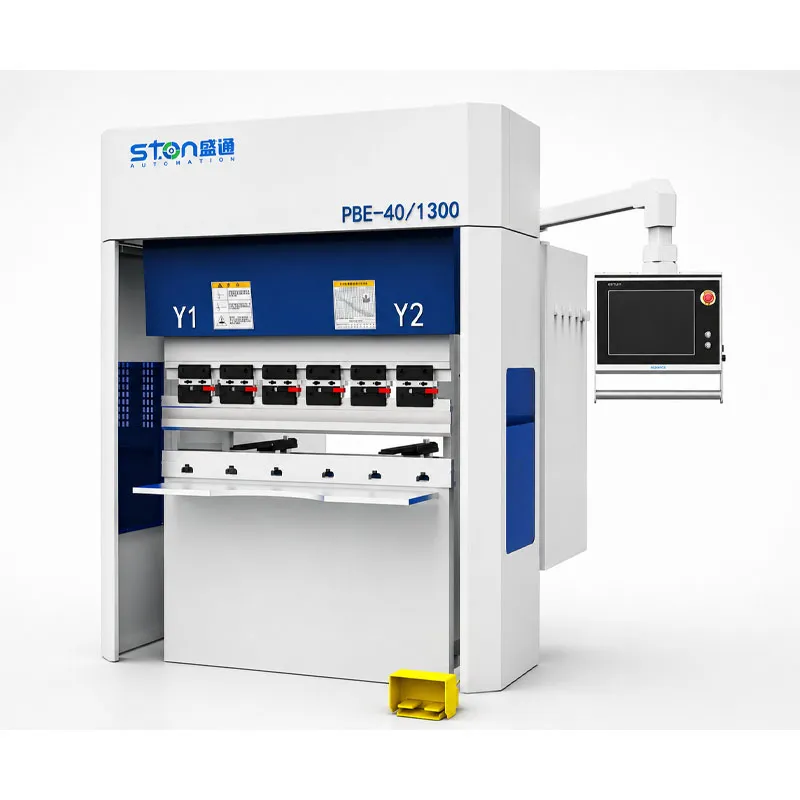
What Is a Press Brake?
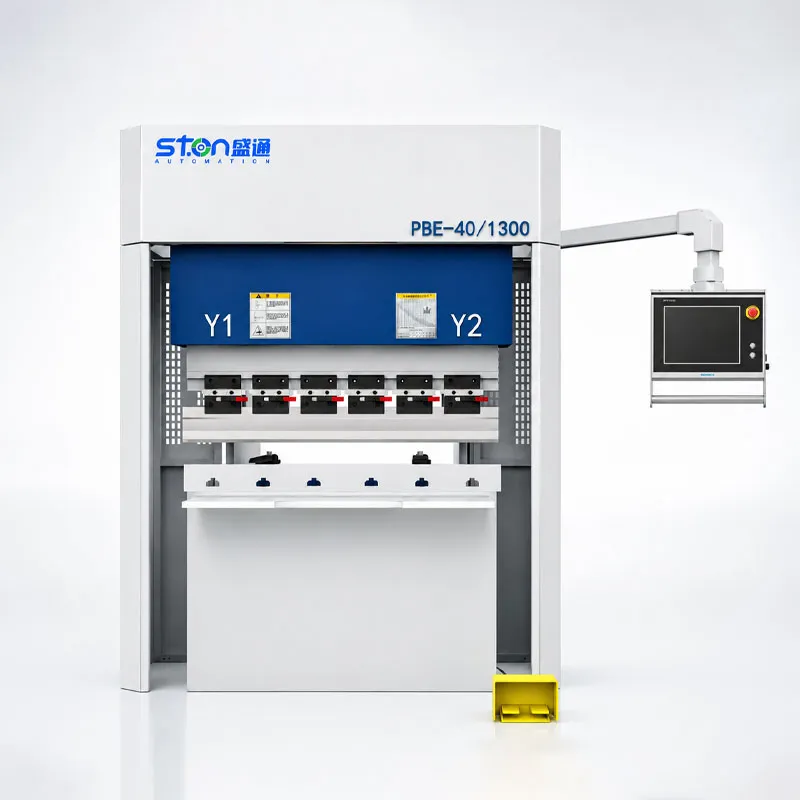
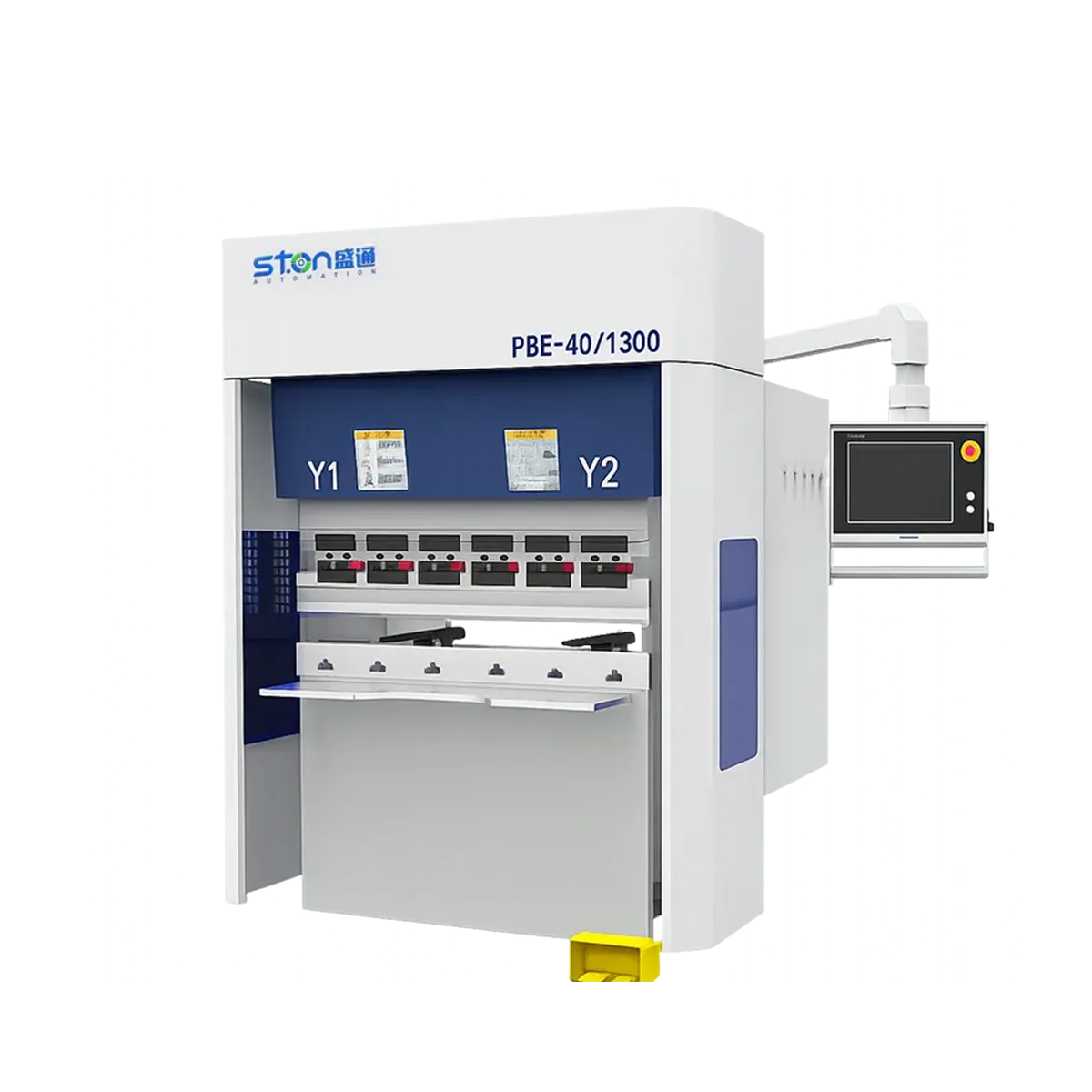
A press brake is a machine that bends sheet metal by pressing the workpiece between an upper punch and a lower die. The upper tool moves down, the metal sheet enters the die opening, and the material forms a bend angle. This is one of the most common methods in metal fabrication.
A press brake is widely used because it is flexible. It can bend many part sizes, many material types, and many thickness ranges. With the right press brake tooling, an operator can produce brackets, covers, frames, channels, boxes, panels, and custom sheet metal parts. This makes the press brake a very important bending machine in almost every sheet metal workshop.
A modern CNC press brake can improve repeatability because the controller stores programs and controls backgauge movement, bend depth, and bending sequences. However, many press brake applications still depend on the experience of the press brake operator, especially when the part has complex geometries, many bends, or strict angle requirements.
In short, the press brake is flexible. It is useful. It is also still necessary in many factories.
What Is a Panel Bender?
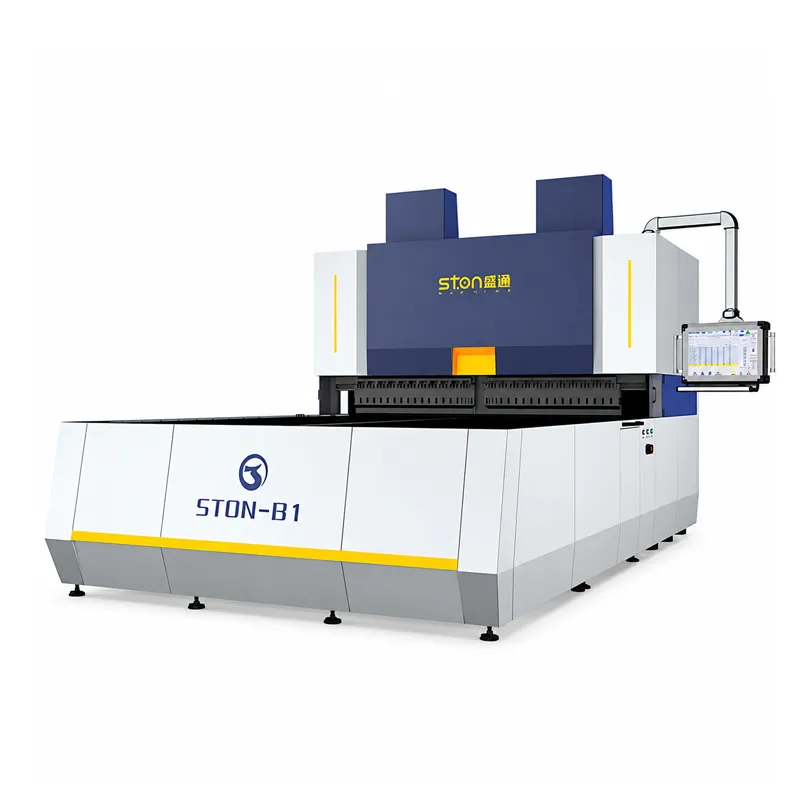
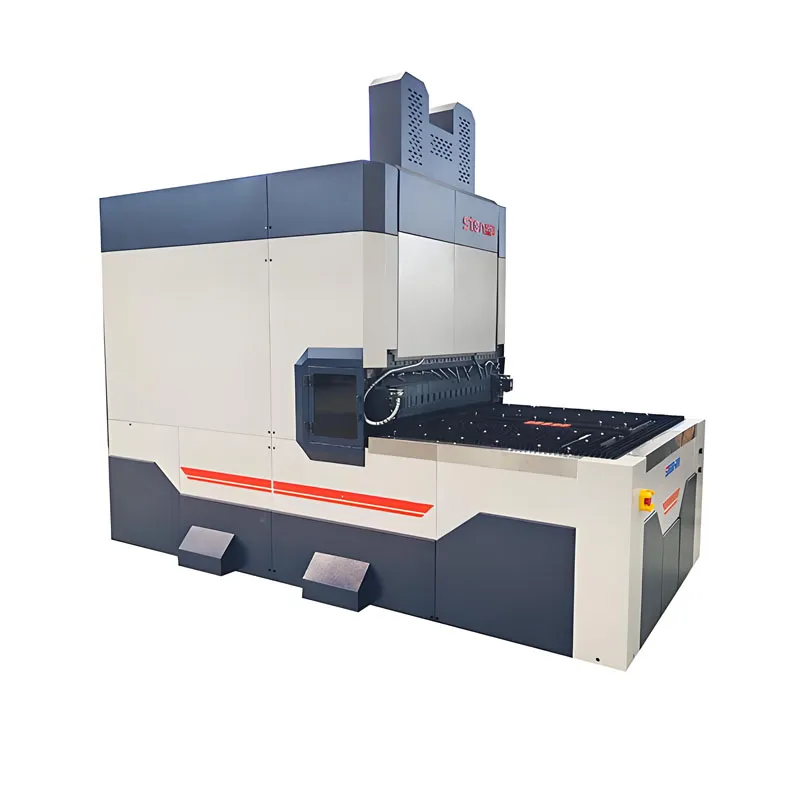
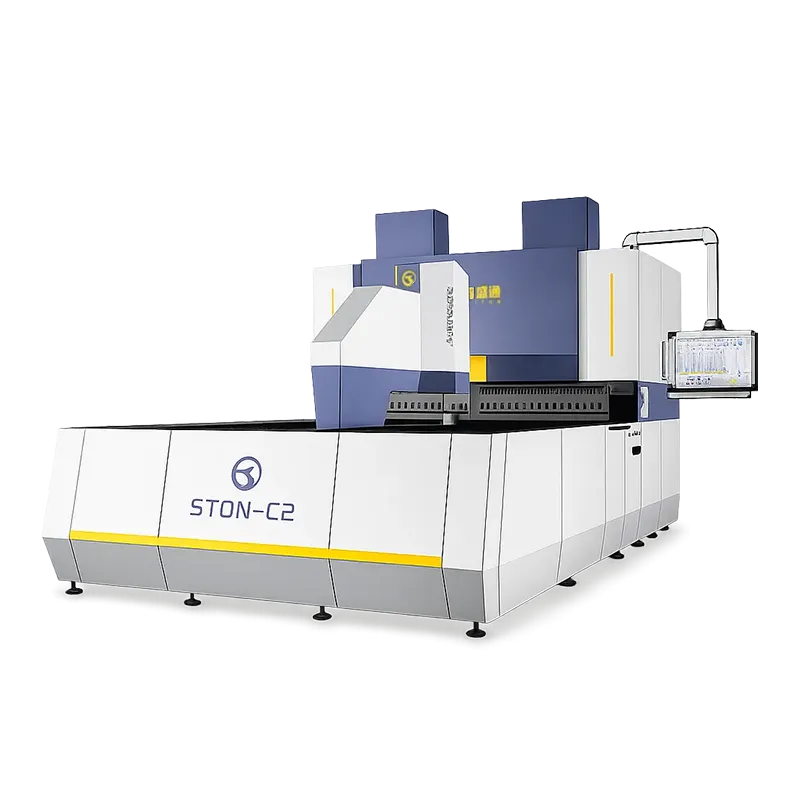
A panel bender is an automated bending machine used to bend sheet metal panels, cabinet parts, doors, drawers, shelves, covers, and enclosures. Instead of pressing the sheet into a V-die like a press brake, the panel bender usually clamps the metal sheet and uses a folding blade or bending tool to bend the edge up or down.
A panel bender is especially useful for repeated panel bending. It can bend multiple edges with less manual handling. The machine controls the position, clamp, bending tool, bend angle, and bending sequence through CNC automation. This makes it a strong choice for high-volume production.
A panel bender is not just a machine that bends sheet metal. For many factories, it is a way to automate repeated bending tasks and reduce dependency on skilled labor.
How Does a Traditional Press Brake Bend Sheet Metal?
A traditional press brake bends sheet metal by using force. The upper punch moves down. The lower die supports the metal sheet. The material bends along the tooling line. This process can create many bend angles and shapes when the correct tool is selected.
A press brake machine is often selected based on:
- Tonnage
- Bend length
- Material thickness
- Tooling selection
- Backgauge accuracy
- Hydraulic or electric drive system
- CNC control
- Operator skill
- Production volume
The press brake is strong when the factory needs flexibility. It can bend metal parts with different sizes, shapes, gauges, and part structures. A high tonnage press brake can also handle thicker material that may not be suitable for a panel bender.
However, the press brake often requires more manual work. The operator may need to position the sheet, support the part, rotate the workpiece, change tools, and check bend angles. For simple or custom work, this is acceptable. For repeated panel products, it can become slow.
This is why many factories still use a press brake, but also add a panel bender to improve production efficiency.
How Does a Panel Bender Improve Bending Efficiency?
A panel bender improves efficiency by reducing manual positioning, reducing tool changes, shortening setup time, and improving repeatability. The machine clamps the sheet metal, controls the bending tool, and follows the CNC program. This makes repeated bending faster and more stable.
A simple panel bending flow looks like this:
Flat Metal Sheet
↓
CNC Program
↓
Automatic Positioning
↓
Clamp the Workpiece
↓
Folding / Bending
↓
Finished Panel
For panel products, this is very effective. A cabinet door may need four bends. A drawer may need multiple bends. An enclosure may need several sides formed accurately. If a press brake operator must handle every bend manually, the cycle times become longer. A panel bender can automate much of this work.
A panel bender can also help improve surface quality. Since the workpiece is supported during the bending process, there may be less manual dragging, flipping, and scratching. This matters for coated panels, stainless steel parts, and visible metal panels.
Main benefits include:
- Faster repeated bending
- Less operator dependency
- Better bend angle repeatability
- Lower labor costs
- Shorter setup time
- More stable surface quality
- Better high-volume production flow
- Easier integration with automation systems
For factories producing many cabinet, furniture, HVAC, or enclosure parts, the panel bender offers a clear path toward lower labor dependence.
Which Machine Is Better for Sheet Metal Fabrication?
In sheet metal fabrication, the better machine depends on the part. A press brake is better for flexible, varied, and thicker bending work. A panel bender is better for repeated panel bending, automation, and consistent high-volume production.
A press brake is often better when:
- Parts are thick or need high tonnage
- Part sizes and shapes change often
- Production volume is low or mixed
- The factory needs wide bending flexibility
- The part has special angles or complex bending
- Skilled operators are available
- Tooling flexibility is more important than speed
A panel bender is often better when:
- Parts are panel-shaped
- The factory makes repeated cabinet or enclosure parts
- Labor costs are high
- Consistency is important
- Surface quality must be protected
- Setup time must be reduced
- The factory wants automation
- Production volume is medium or high
A practical rule is simple:
Use a press brake for broad flexibility. Use a panel bender for repeated panel productivity.
Many modern factories use both. The press brake handles special work. The panel bender handles repeated panel work. Together, they create better flexibility and efficiency.
How Do Tooling, Setup Time, and Operator Skill Affect Production?
Tooling is one of the biggest differences between a press brake and a panel bender. A press brake uses upper and lower dies. Different bend angles, radii, material thicknesses, and part shapes may require different tools. This makes press brake tooling very important.
A panel bender uses a clamp and bending blade or folding tool system. Some machines can support automatic tool adjustment or automatic tool changes. This helps reduce setup time, especially for repeated sheet metal parts.
Operator skill also matters. A press brake operator often needs strong experience. They must understand bend allowance, radius, gauge, material springback, punch and die selection, tonnage, and part handling. A skilled operator can make excellent parts, but the factory becomes more dependent on that person.
A panel bender can reduce this dependency. The CNC system controls more of the bending process. The operator still needs training, but the machine can make repeated work easier and more consistent.
How Can Press Brake and Panel Bender Work Together in One Factory?
A modern sheet metal factory does not always need to choose only one machine. In many cases, the best solution is to use press brake and panel bender equipment together. Each machine does what it does best.
A balanced factory layout may look like this:
Laser Cutting / CNC Punching
↓
Panel Bender for Repeated Panel Parts
↓
Press Brake for Special Bending Tasks
↓
Welding / Assembly
↓
Finished Products
The panel bender can handle repeated metal panels, cabinet doors, drawers, covers, and enclosure parts. The press brake can handle special brackets, thick parts, small-batch work, and unusual shapes. This creates a more flexible production system.
This is especially useful for medium and large factories. One machine improves speed. The other keeps flexibility. Together, they help optimize sheet metal fabrication.
For example, an electrical cabinet factory may use a panel bender for doors and side panels, while keeping a CNC press brake for reinforcement parts, brackets, and custom bends. A kitchen equipment factory may use a panel bender for stainless steel panels and a press brake for special support frames.
This combined model is often stronger than replacing one machine with another.
How Can STON CNC Help You Choose the Right Bending Solution?
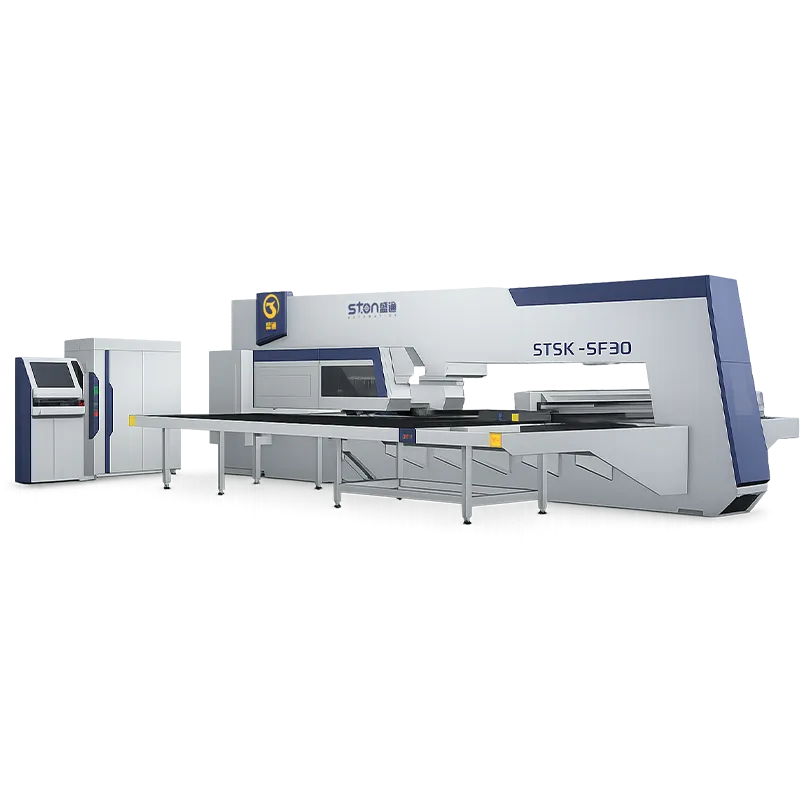
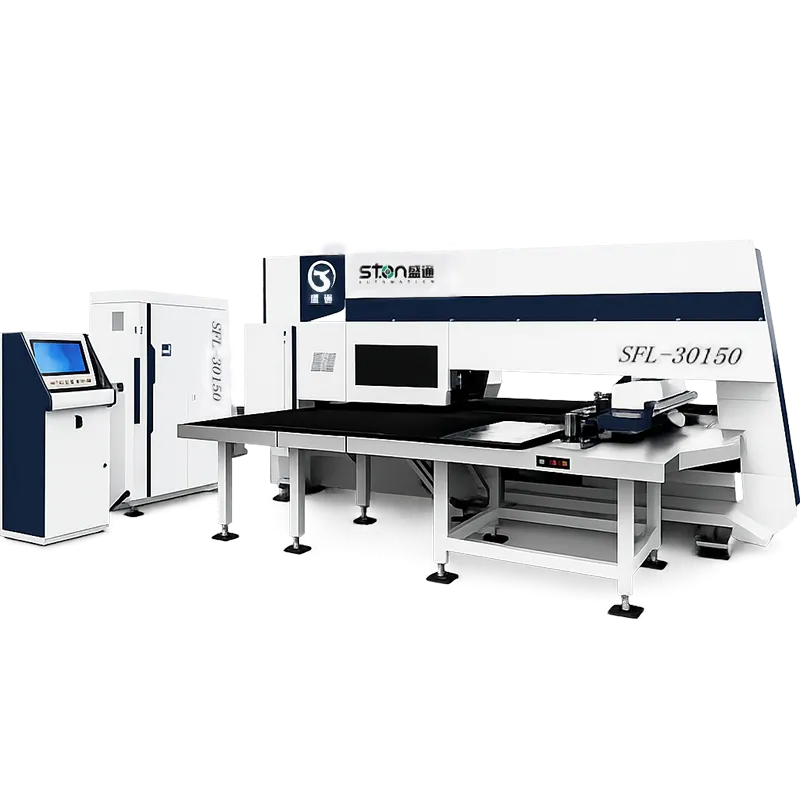
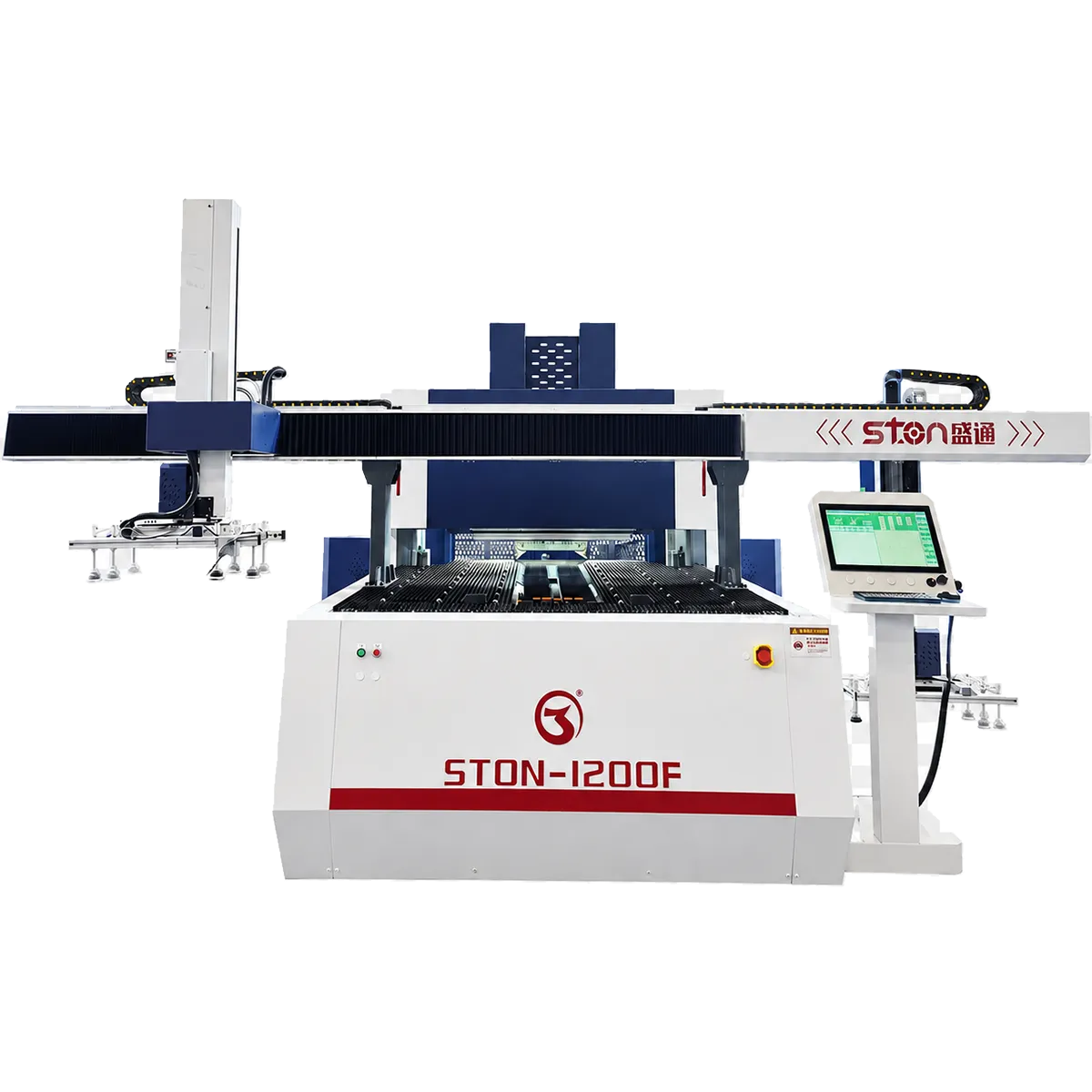
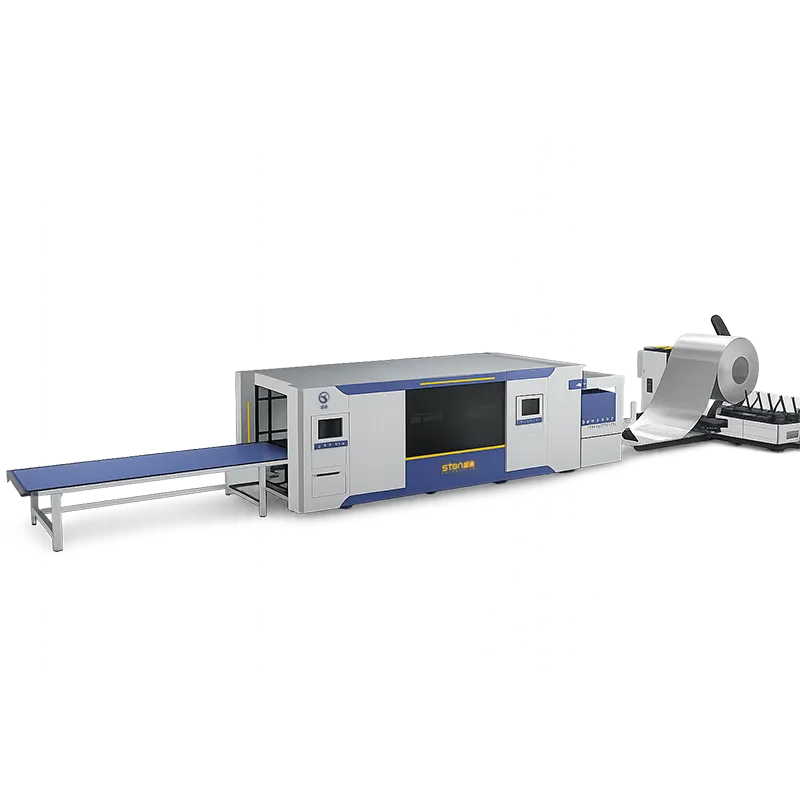
STON CNC is positioned as a high-end equipment provider for global B2B manufacturing customers. We focus on CNC sheet metal processing equipment and intelligent automated production line solutions. Our product range covers CNC panel benders, turret punching machines, press brakes, laser cutting machines, automatic loading and unloading systems, and customized sheet metal production lines.
STON does not simply sell individual machines. We help sheet metal factories upgrade cutting, punching, bending, handling, storage, and production line integration processes toward automation. This matters because real efficiency comes from the whole workflow, not from one machine alone.
Our main overseas customers include:
- Medium and large sheet metal fabrication factories
- Electrical cabinet and switchgear manufacturers
- Metal furniture and filing cabinet factories
- Door manufacturers
- Kitchen equipment producers
- HVAC and ventilation equipment factories
- New energy equipment manufacturers
- Machinery distributors
- Automation integrators
These customers care about processing efficiency, bending and punching accuracy, labor costs, product consistency, surface quality, delivery pressure, automation level, equipment stability, customization capability, and long-term after-sales support.
At STON CNC, we recommend machines based on your real production needs. Send us your drawings, material thickness, production volume, current process, factory layout, and automation goals. We can help you decide whether a press brake, panel bender, or combined production line is the better solution for your business.
When Should Your Factory Choose a Press Brake?
Choose a press brake when your factory needs broad bending flexibility. It is a strong choice for job shops, custom fabrication, thick parts, small batches, and parts that change often.
A press brake may be the right choice if:
- You process many different part types.
- You bend thicker material.
- Your parts need high tonnage.
- You have skilled operators.
- You need flexible tooling options.
- Your production volume is mixed.
- Your parts are not mainly repeated panels.
- You need a lower initial investment.
A press brake is a practical machine for many factories. It remains one of the most important tools in metal fabrication. Even factories that use panel benders often keep press brakes for special work.
STON CNC can provide CNC press brake solutions for factories that need accuracy, stability, and flexible bending ability.
When Should Your Factory Choose a Panel Bender?
Choose a panel bender when your factory produces repeated panel parts and wants to improve automation, speed, consistency, and labor efficiency.
A panel bender may be the right choice if:
- You produce cabinet doors, drawers, covers, shelves, or enclosures.
- Your parts need multiple bends.
- You want lower operator dependency.
- Your labor costs are rising.
- You need stable repeatability.
- Your surface quality requirement is high.
- You have medium or high-volume production.
- You want to automate bending step by step.
A panel bender is especially valuable for electrical cabinets, metal furniture, doors, HVAC, stainless steel kitchen equipment, and new energy cabinets. It can reduce labor costs and improve production consistency.
STON CNC can review your drawings and recommend whether an automatic panel bender, press brake, or combined bending system is better suited to your factory.
FAQs
What is the main difference between a press brake and a panel bender?
A press brake bends sheet metal by pressing it between an upper punch and lower die. A panel bender clamps the sheet and folds the edge with bending tools or blades. The press brake is more flexible for varied work, while the panel bender is stronger for repeated panel production.
Is a panel bender better than a press brake?
A panel bender is better for repeated panel parts, high-volume production, automation, and lower operator dependency. A press brake is better for thick material, custom parts, and broad bending flexibility. Many factories use both machines.
When should I choose a press brake?
Choose a press brake when you need flexible bending, high tonnage, many tool options, or custom fabrication. It is a strong choice for varied sheet metal parts and special bending tasks.
When should I choose a panel bender?
Choose a panel bender when your factory makes many repeated panels, such as cabinet doors, drawers, covers, metal panels, HVAC parts, or enclosures. It is ideal when you want to reduce labor costs and improve production efficiency.
Which machine has a lower initial investment?
A press brake often has a lower initial investment than a highly automated panel bender. However, a panel bender may reduce long-term cost per part when used for repeated panel production.
Can a panel bender replace a press brake?
Not always. A panel bender can replace some repeated press brake bending tasks, but a press brake is still useful for special parts, thicker materials, and flexible custom jobs. Many factories use both.
Can STON CNC help choose between press brake and panel bender?
Yes. STON CNC can review your drawings, material thickness, production volume, factory layout, and automation goals. Based on your real production needs, we can recommend a press brake, panel bender, or customized sheet metal production line.



 June 22, 2026