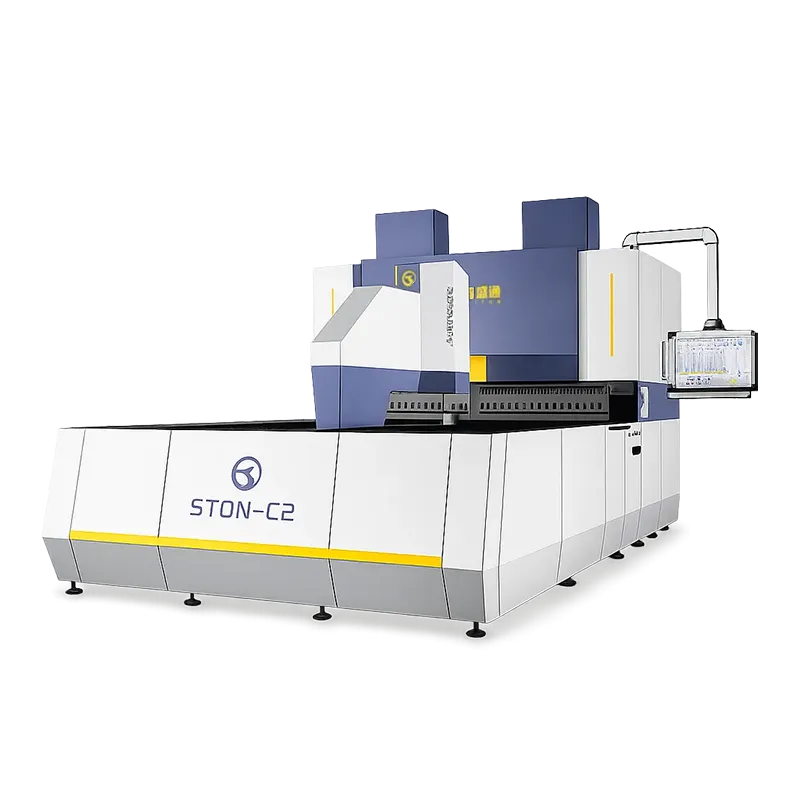
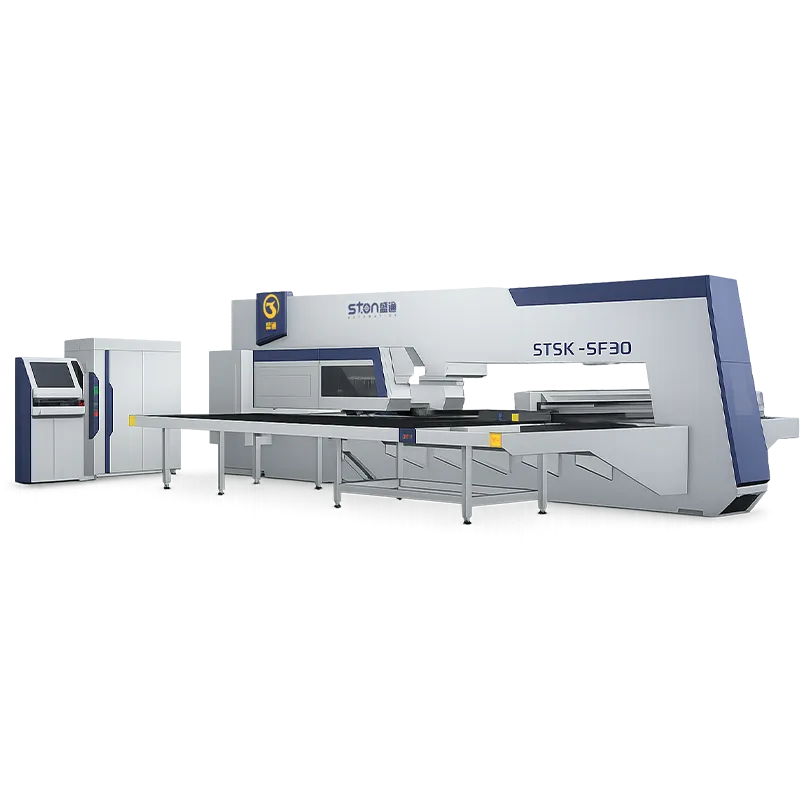
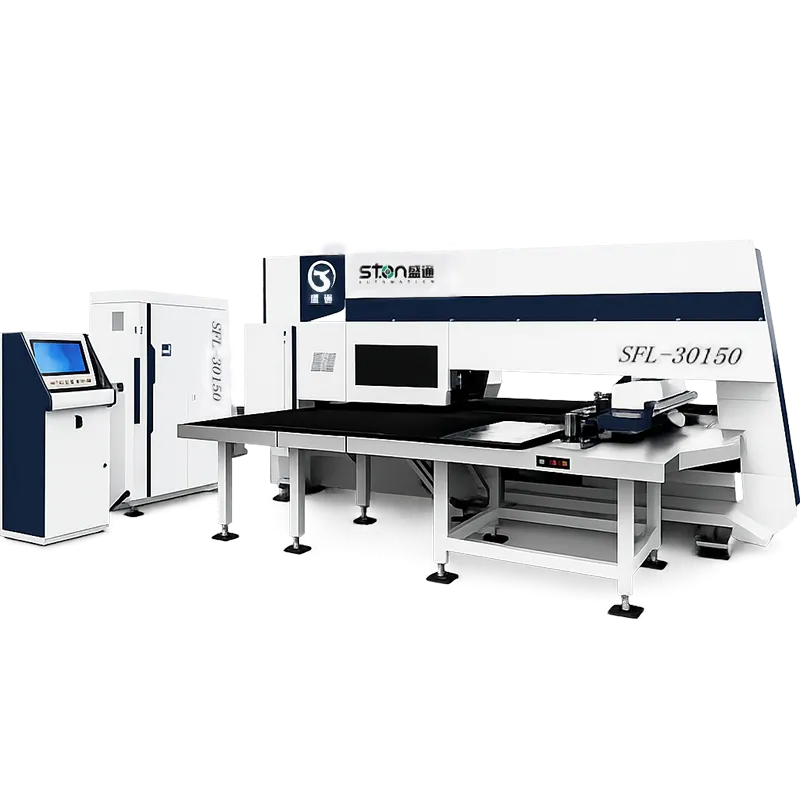
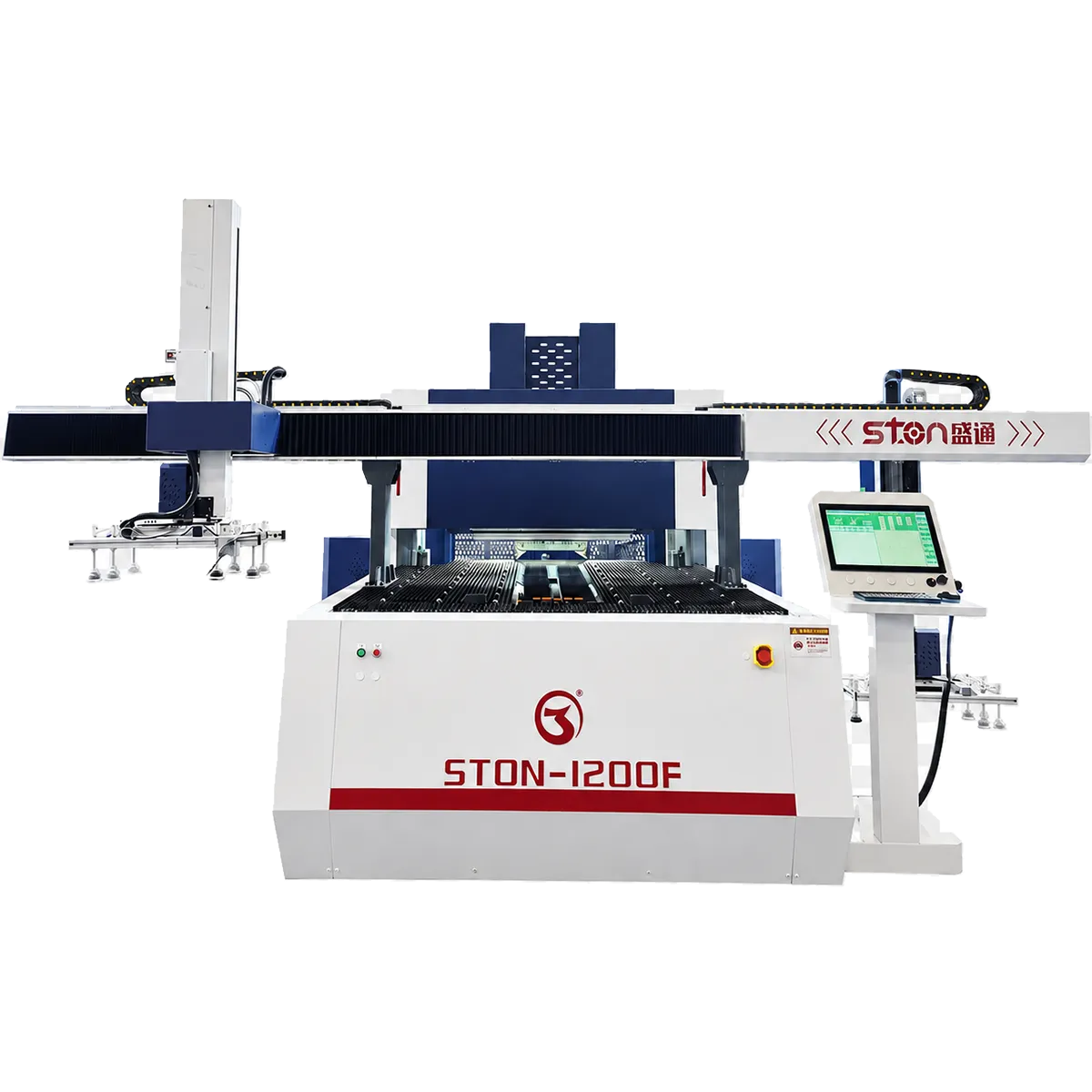
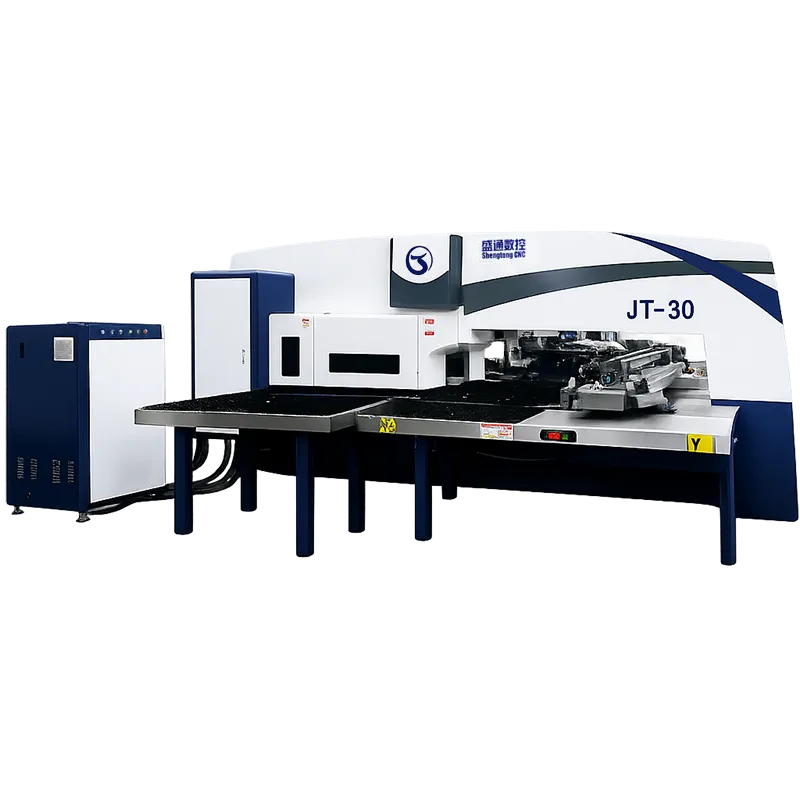
Choose a CNC Turret Punching Machine Around the Required Processes
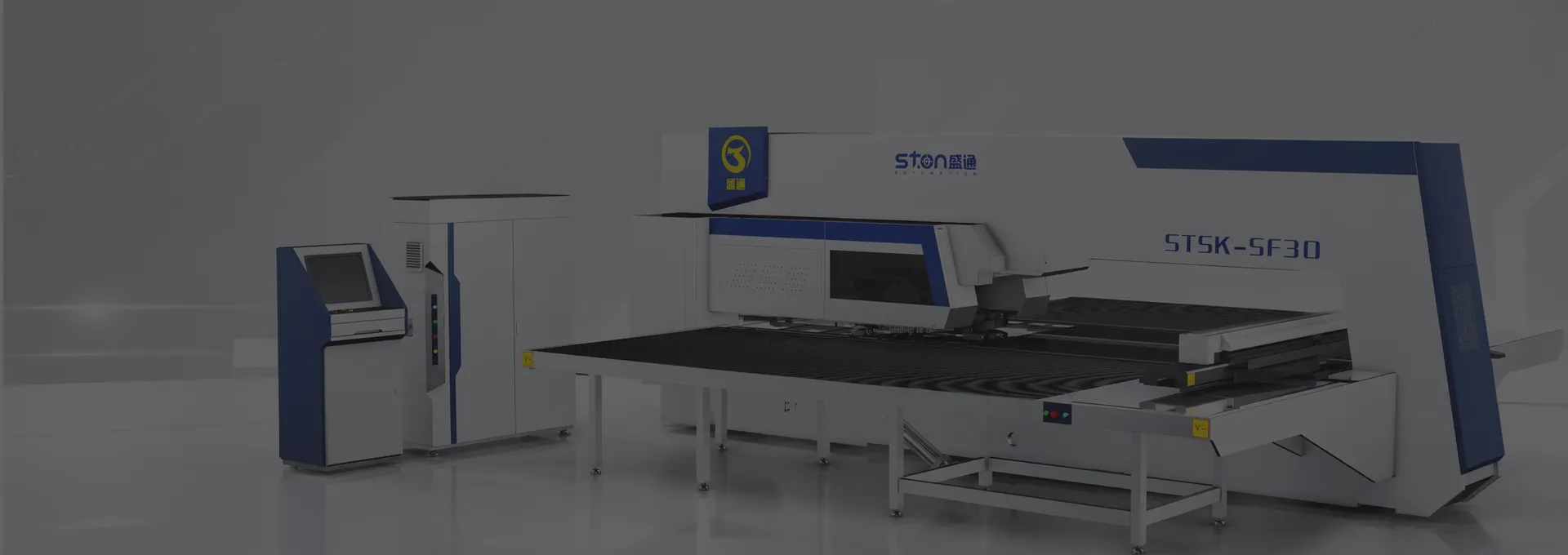
A CNC turret punching machine is suited to sheet metal parts that combine repeated holes, slots and formed features. It can be considered for electrical cabinet panels, control enclosures, ventilation plates, perforated sheets, kitchen equipment and recurring OEM parts. The machine should be selected from the actual drawing set because hole pattern, material, sheet size, forming demand, tool count and production mix all affect the required configuration.
Punching, Forming and Tooling Capabilities
A turret punch can complete punching, trimming and selected forming operations in a coordinated CNC program. Depending on the tooling and machine configuration, applications may include ribs, embossing and louver-type features as well as standard round or shaped holes. These processes should be confirmed with the proposed tool station layout and representative parts; a generic feature list does not prove that every form can be produced on every model.
- High-hole-count panels: electrical cabinets, switchgear panels and ventilation plates.
- Formed sheet features: parts requiring punching plus selected ribs, embossing or louvers.
- Recurring batches: product families that can reuse proven tooling and CNC programs.
Turret Punch, Fiber Laser or Punch-Laser Combination?
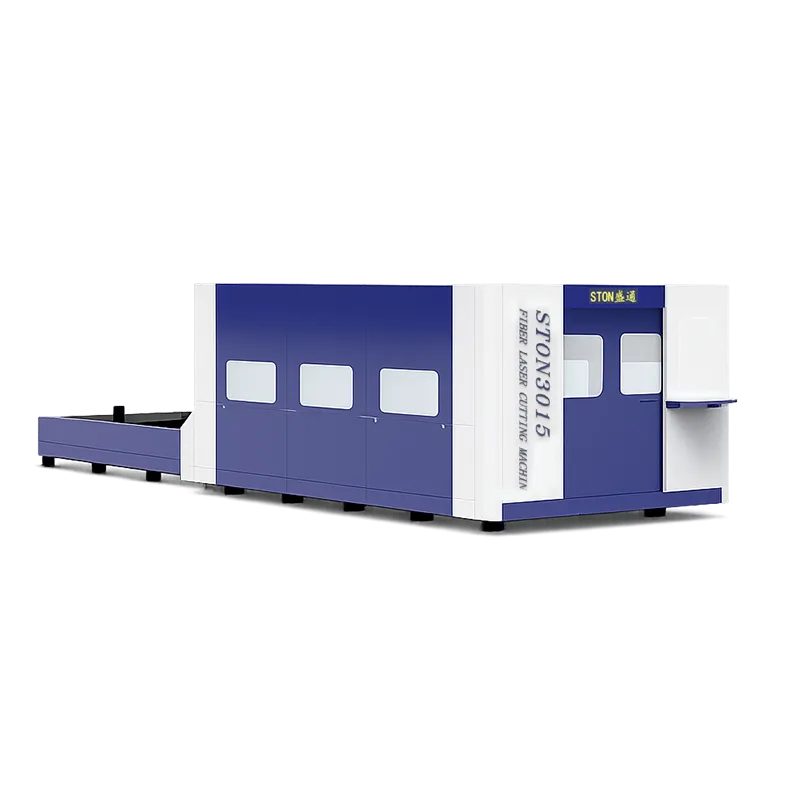
Choose the process according to the part mix. A turret punch is a strong candidate when repeated holes and formed features dominate. A fiber laser cutting machine is often considered when flexible contours and frequent design changes dominate. A Laser-Stanz-Kombinationsmaschine can bring punching, forming and flexible contour cutting into one workflow when both process types are required. Material, tolerance, edge expectations, tooling cost and batch size must be reviewed together.
When to Add Automatic Loading and Unloading
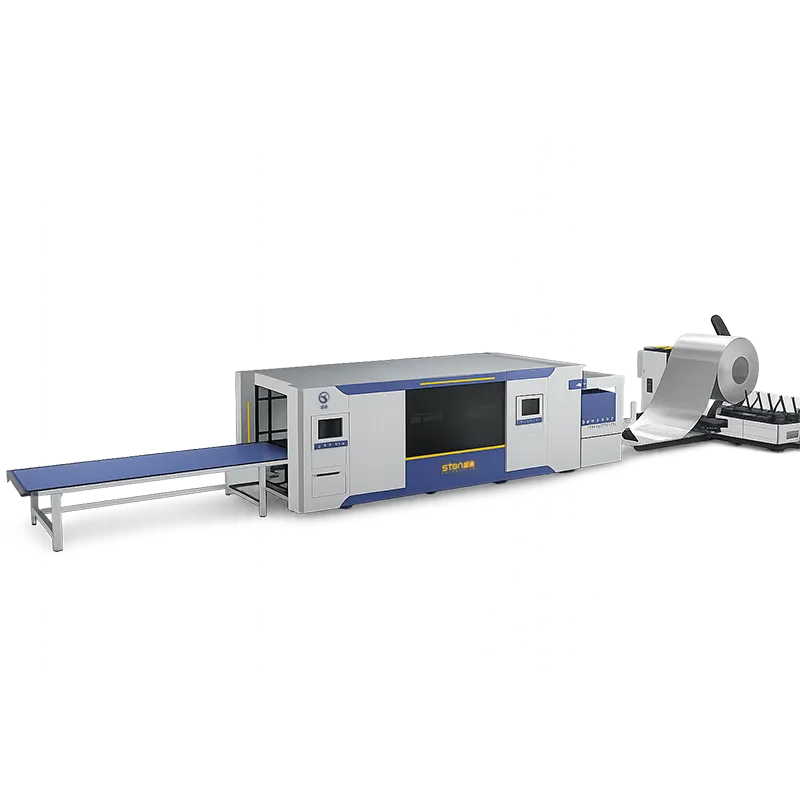
Automated sheet separation, positioning, loading, unloading and stacking can reduce manual transfer around repeated production. It is most relevant when the sheet size, stack condition, production schedule and downstream handling are stable enough to automate. Review an automatic loading and unloading system when unattended cycles or higher machine utilization are project goals. The integration must define sheet detection, alignment, stack height, finished-part handling, guarding and exception recovery.
Information Needed for Machine and Tool Selection
Provide material grade and thickness, sheet dimensions, annual or shift output, hole and form details, preferred tooling strategy, surface protection requirements and available floor space. STON can then review servo or mechanical CNC options, tooling positions, loading modules and the relationship with downstream bending. Sample production should confirm part quality, tool sequence, handling and acceptance criteria before the final proposal is signed.
Manufacturing and Service Planning
STON supports in-house manufacturing from a self-owned 20,000 square meter factory, together with configuration review, installation planning, training, spare-parts preparation and after-sales communication. The quotation should identify the machine, tooling, automation boundary, site conditions, training scope and acceptance parts. Dealers can request a product and application package matched to the industries they serve.
Tooling, Programming and Maintenance Planning
Tooling strategy has a direct effect on the usefulness of a turret punch. Review the recurring hole shapes, formed features, station demand and expected product changes before fixing the turret layout. Standard tools can cover common work, while special forms need drawing review, sample validation and a maintenance plan. Programming should also account for sheet utilization, clamp zones, part stability and the sequence between punching and forming. The purchase scope should state which tools, holders, programming support and initial part programs are included.
Quality and Acceptance Checklist
Acceptance should use agreed materials and representative parts. Check hole and form dimensions, sheet flatness, surface protection, burr expectations, tool marks, part release and the stability of repeated cycles. If loading automation is included, test sheet separation, positioning, stack handling, alarms and recovery as well as the punching operation. Record inspection methods and sampling frequency before factory acceptance testing. Also confirm lubrication, tool inspection, consumables, preventive maintenance, operator training, service access and the recommended spare-parts list so the machine can be supported after commissioning.
Commercial Review before Ordering
The final commercial comparison should separate the base machine, turret and tool package, automation, software, installation, training, freight preparation and spare parts. Ask each supplier to respond to the same drawing set and production assumptions so prices are comparable. Confirm electrical standards, language requirements, documentation, remote-access policy, warranty boundary and who provides site utilities or foundations. For dealers, define demonstration parts, sales training and technical escalation. A clear scope protects both the buyer and supplier when a later product change requires new tools, programming or handling equipment.