What Is the Best Machine for Mixed Laser Cutting and Punching?
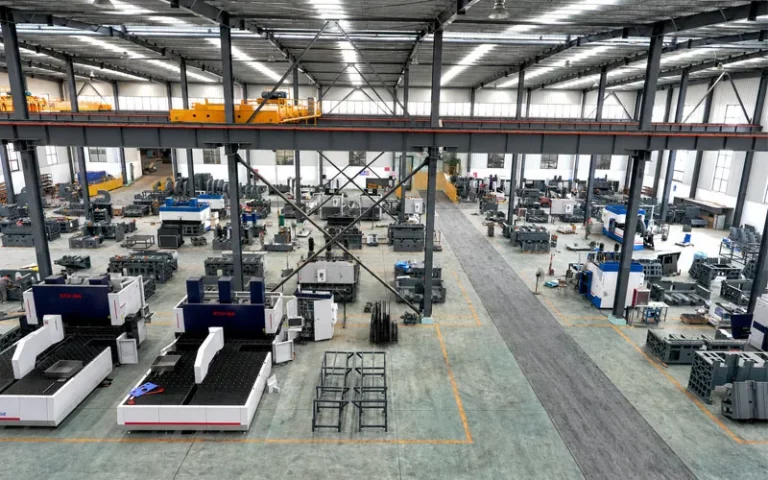
For mixed sheet metal production, the best machinery is often a laser punch combination machine because it combines CNC turret punching, forming, tapping and fiber laser cutting in one system. It is especially useful when a factory needs both fast hole punching and flexible contour cutting for cabinets, HVAC parts, appliance panels, enclosures and metal furniture. Compared with using separate punching and laser cutting machines, a combined system can reduce part handling, shorten process routing and keep accuracy more consistent across mixed batches.
| Option |
Best for |
Limitation |
STON recommendation |
| Fiber laser cutting only |
Flexible profiles, small batches, clean contours |
Less efficient for repeated holes, forms, louvers and tapping |
Use when cutting flexibility is the main need |
| Turret punching only |
High-volume holes, forms, louvers and tapping |
Limited free-form contour cutting |
Use when punching features dominate the part design |
| Laser punch combination machine |
Mixed punching, forming, tapping and laser cutting |
Higher planning requirement before purchase |
Use for cabinets, HVAC panels, enclosures and mixed sheet metal lines |
Perguntas frequentes
What is the best machine for mixed laser cutting and punching?
A laser punch combination machine is usually the best choice when factories need repeated hole punching, tapping, forming and flexible laser contour cutting in one production flow.
When should a factory choose a laser punch combination machine?
Choose it when parts include both punching features and laser-cut contours, and when reducing handling between separate machines matters to production speed and consistency.
Is laser punch combination better than separate laser cutting and punching machines?
For mixed batches and cabinet-style parts, one combined system often improves workflow and part consistency. For single-process production, separate machines may still fit.
See the commercial solution page for the máquina combinada de puncionamento a laser and more punching and laser cutting combined machines.
Sheet metal factories often lose time when parts move from punch to laser, then to forming, tapping, sorting, and inspection. Each step adds labor, delay, and risk. A punch laser combination machine solves this by combining key processes in one smarter workflow.
A punch laser combination machine is a CNC sheet metal machine that combines punching, forming, tapping, and laser cutting in one system. It helps manufacturers reduce part handling, shorten production time, improve cutting quality, and optimize mixed sheet metal fabrication, especially for cabinets, HVAC parts, panels, enclosures, appliance parts, and metal furniture components.
What Is a Punch Laser Combination Machine?
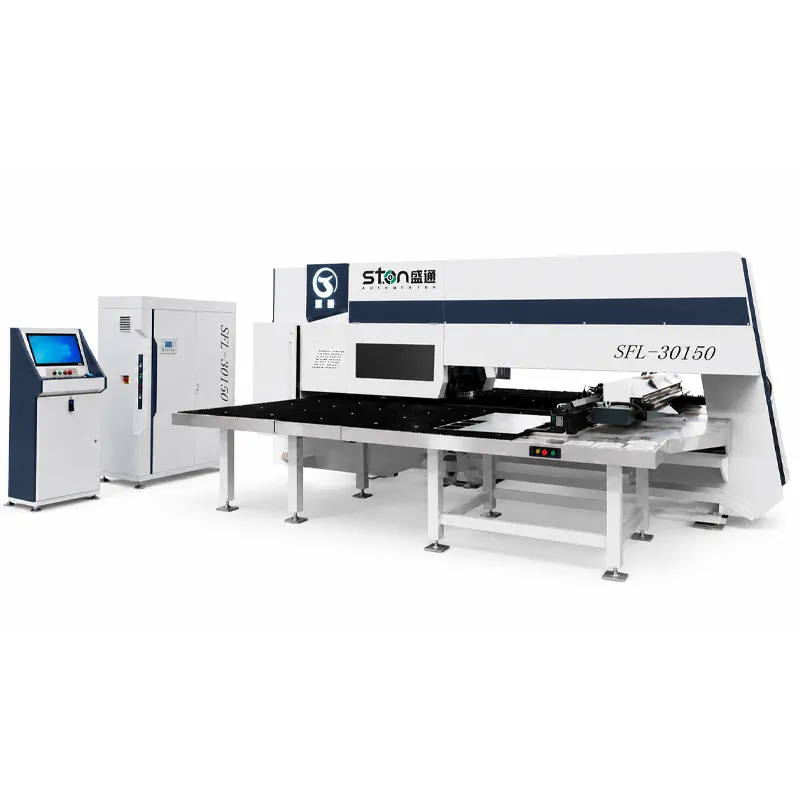
A punch laser combination machine is a CNC machine that brings punch processing and laser cut processing into one production platform. In simple words, the machine can punch holes, make forms, create louvers, tap threads, and then use a laser to cut the final part shape. This makes it very useful for sheet metal parts with both standard holes and complex contours.
In many factories, a punching machine handles holes and forming, while a laser machine cuts curves and outer shapes. That works, but it also means more loading, unloading, and waiting. A punch laser machine can reduce those steps. It lets one sheet move through punching and laser cutting without extra transfer between machines.
Why Do Sheet Metal Manufacturers Choose Punch and Laser in One Machine?
Manufacturers choose punch and laser processing because many sheet metal parts do not need only one process. A cabinet door may need mounting holes, ventilation slots, formed features, and smooth outer cutting. An HVAC panel may need round holes, notches, labels, and clean edges. A metal furniture part may need both fast hole punching and flexible laser profiles.
Using one machine helps the shop floor stay cleaner and more organized. Operators do not need to move semi-finished parts from a punch press to a laser cutting system. This lowers handling risk and helps keep geometry more stable. For factories that deal with many small batches, a punch laser combination can also reduce setup time and improve response speed.
How Does a Fiber Laser Improve Laser Cut Quality?
A fiber laser gives the machine strong cutting speed, stable energy use, and good cutting quality on many metal sheets. Compared with older CO2 laser systems, fiber laser cutting often gives better energy efficiency and lower daily maintenance needs. This is one reason many modern punch laser machines now use fiber laser technology.
When the machine uses laser cut processing after punching, the final shape can be more flexible. The punch is very fast for repeated holes, squares, rectangles, and forms. The laser is better for curves, special profiles, small details, and parts that change often. Together, the two processes allow the factory to choose the best method for each feature.
A good laser punch setup should consider:
- Laser power for the required material types and thicknesses
- Cutting gas and pressure for clean edges
- Stable control system for coordinated punch and laser motion
- Proper nest software to reduce waste
- Brush table or support design to protect the sheet surface
- Reliable sheet clamps so clamps move the sheet with accuracy
For many buyers, cutting quality is not only about smooth edges. It also means fewer scratches, stable dimensions, fewer burrs, and less rework. Good part quality supports faster assembly, easier welding, and better final products.
How Do Punching Tools, Turret Design, and Tapping Add Value?
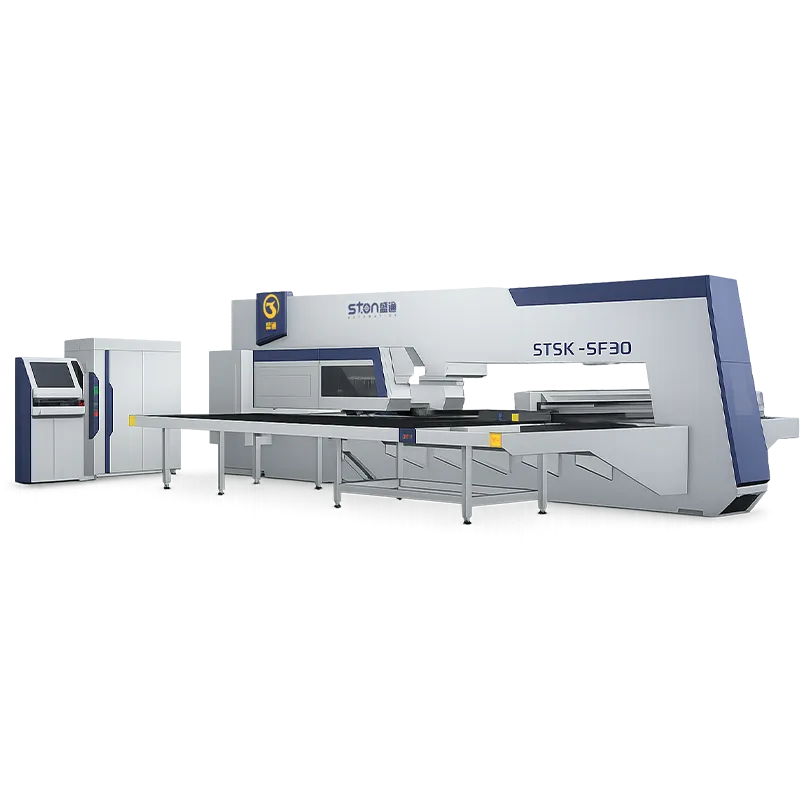
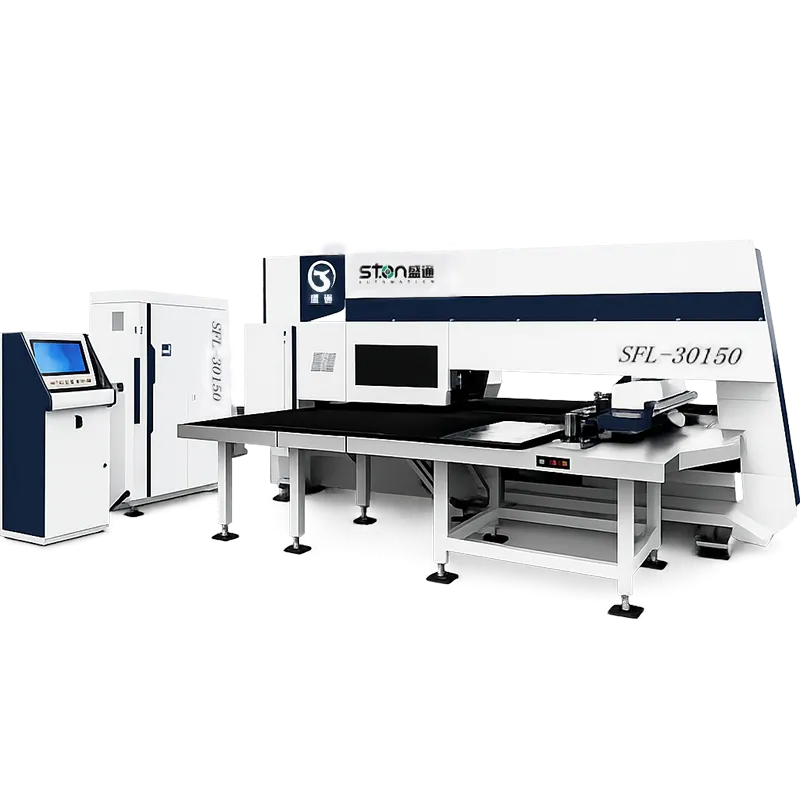
The punch side of the machine is still very important. A laser can cut many shapes, but a punch is often faster for repeated holes and standard features. With proper punching tools, the machine can create round holes, square holes, slots, countersinks, embossing, and simple forming. This is where punching technology still has strong value.
A turret punch structure stores tools for punching, forming, and special features. Good turret design makes tool change easier and supports flexible production. The punching head must be stable, fast, and accurate. For high-speed punching, buyers should review hits per minute, tool capacity, sheet size, and allowed material thickness.
Tapping is also valuable. If the machine can tap during the same process, the factory may remove another secondary step. That is useful for electrical enclosures, control cabinets, machinery covers, and mounting plates. Instead of punching holes, moving parts, and tapping later, the machine can finish more work in one flow.
Key features that add value include:
- Tools for punching standard holes and special shapes
- Forming tools for raised areas and ventilation features
- Tapping tools for threaded holes
- Reliable punch press structure
- Smooth sheet movement
- Good tool management
- Easy programming for punch and laser sequencing
How Can Automation, Nest Software, and Part Sorting Improve Productivity?
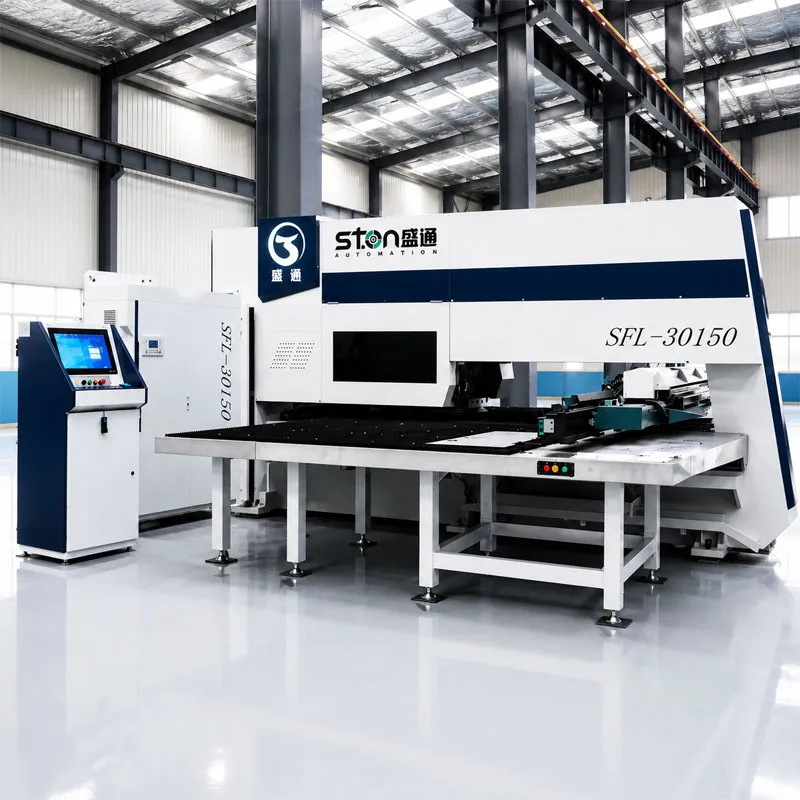
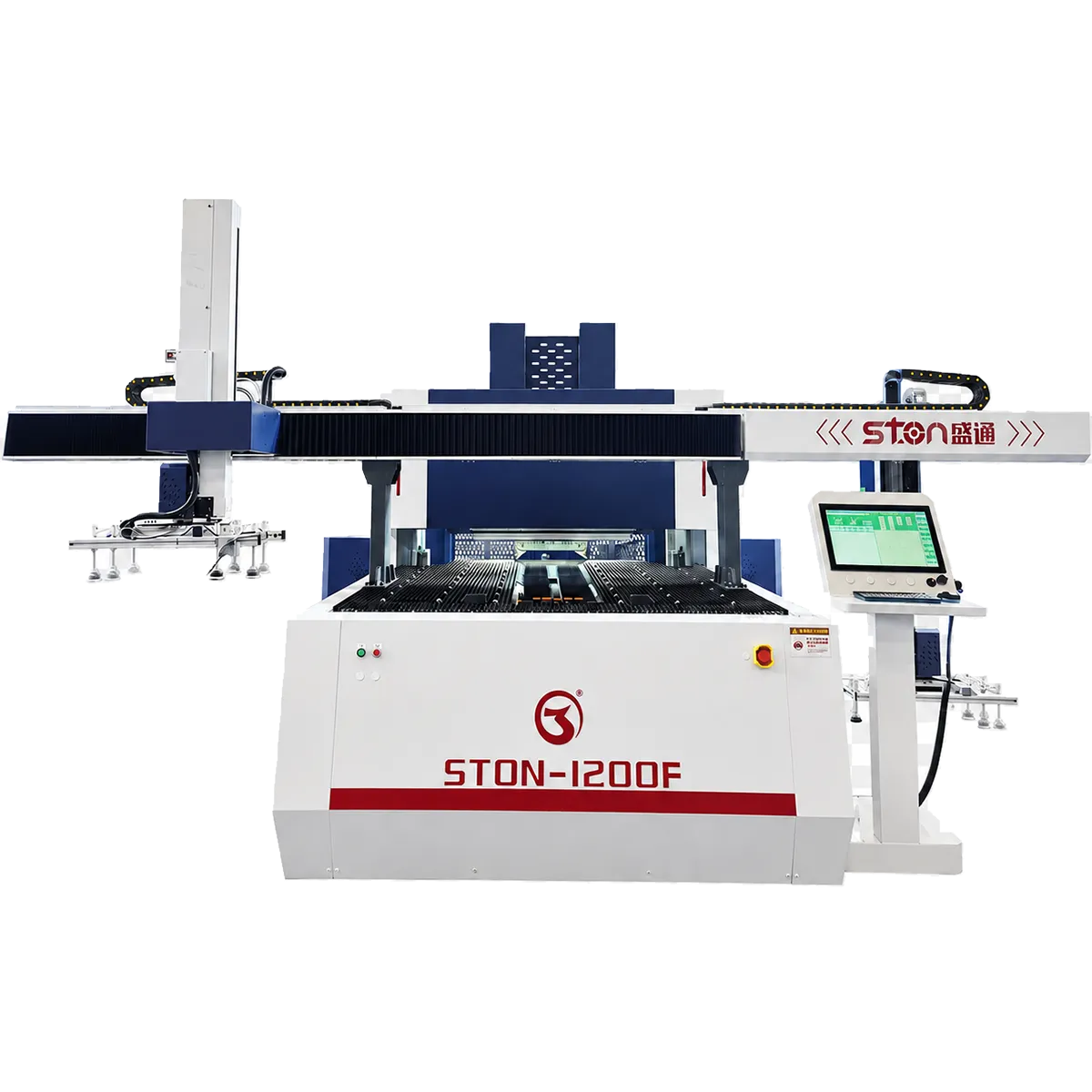
Automation is where a punch laser machine becomes more than a single machine. Loading, unloading, nest programming, part sorting, and storage connection can all affect productivity. If the machine runs fast but workers still spend too much time moving sheets and sorting parts, the line is not truly optimized.
Nest software helps place parts on the sheet in a smart way. A good nest reduces scrap and makes punching and laser cutting paths more efficient. It also helps avoid clamps, reduce collisions, and choose the right order of operations. For factories with many part numbers, this software is critical.
A simple production flow can look like this:
Raw Sheet
↓
Automatic Loading
↓
Punching Operations
↓
Tapping / Forming
↓
Corte a laser
↓
Part Sorting
↓
Bending / Welding / Assembly
Part sorting also matters. If cut parts mix together, workers waste time finding them. If the machine and automation system can help sort parts by job, order, or size, the workshop becomes easier to manage.
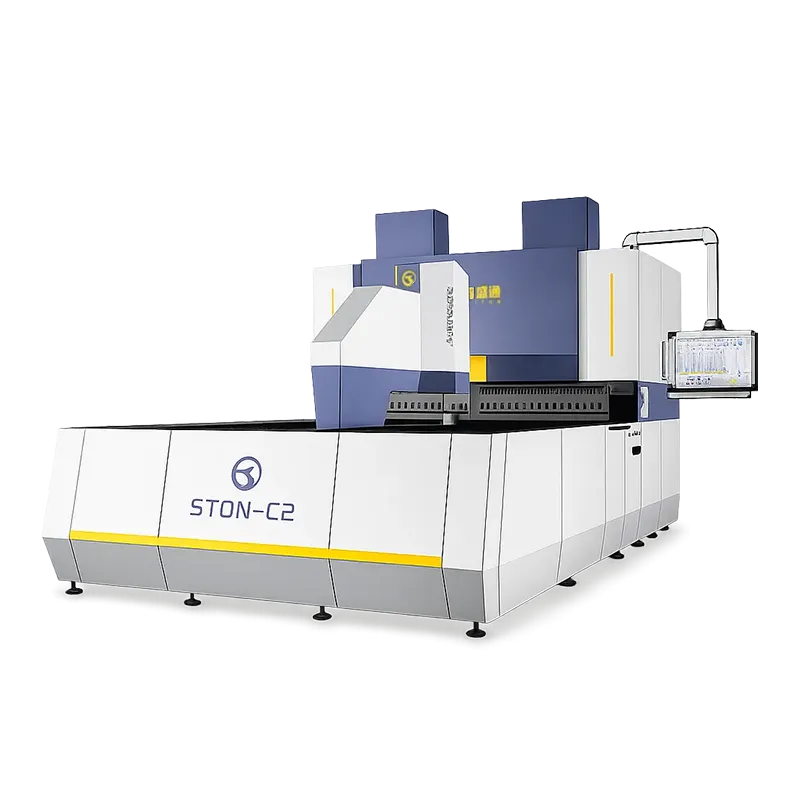
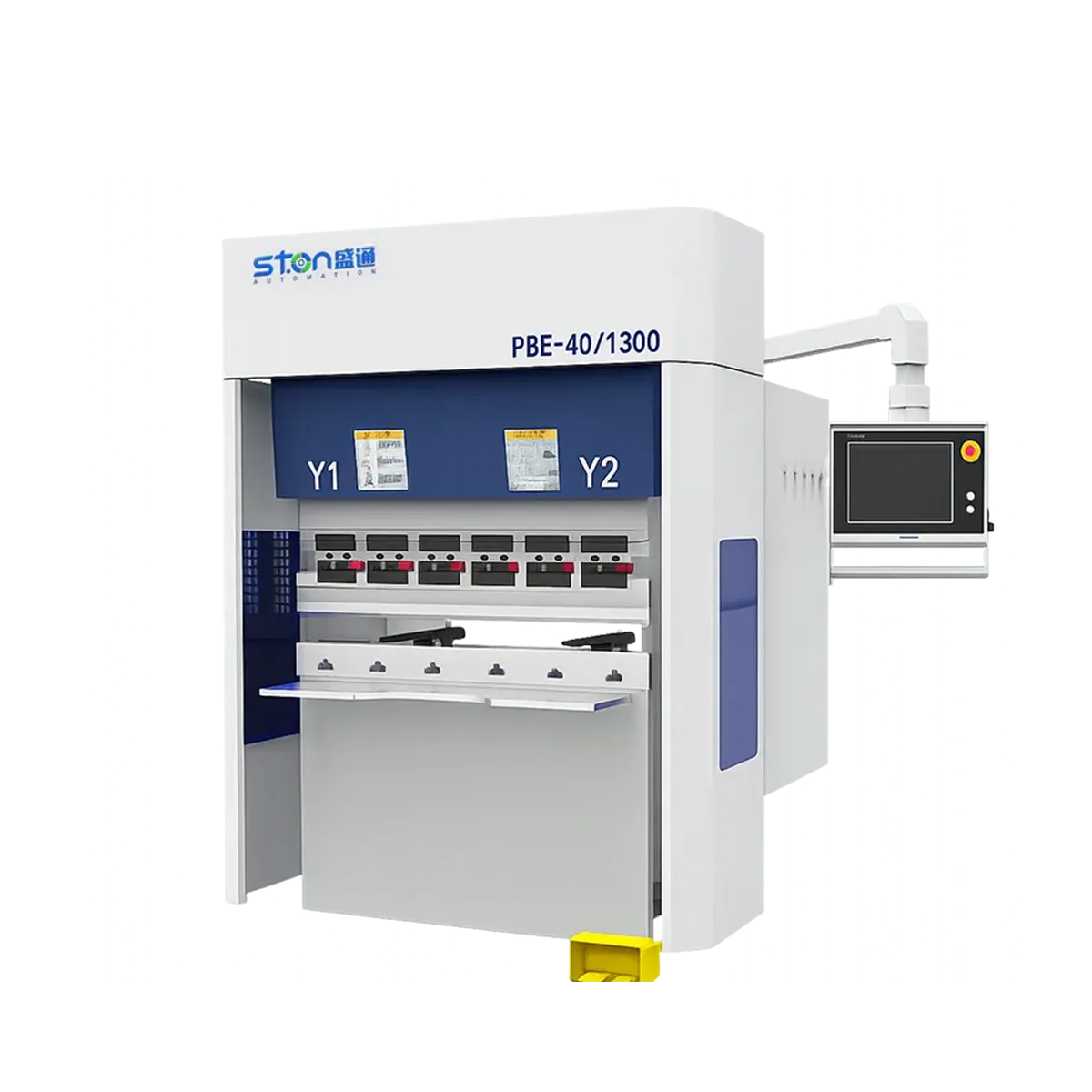
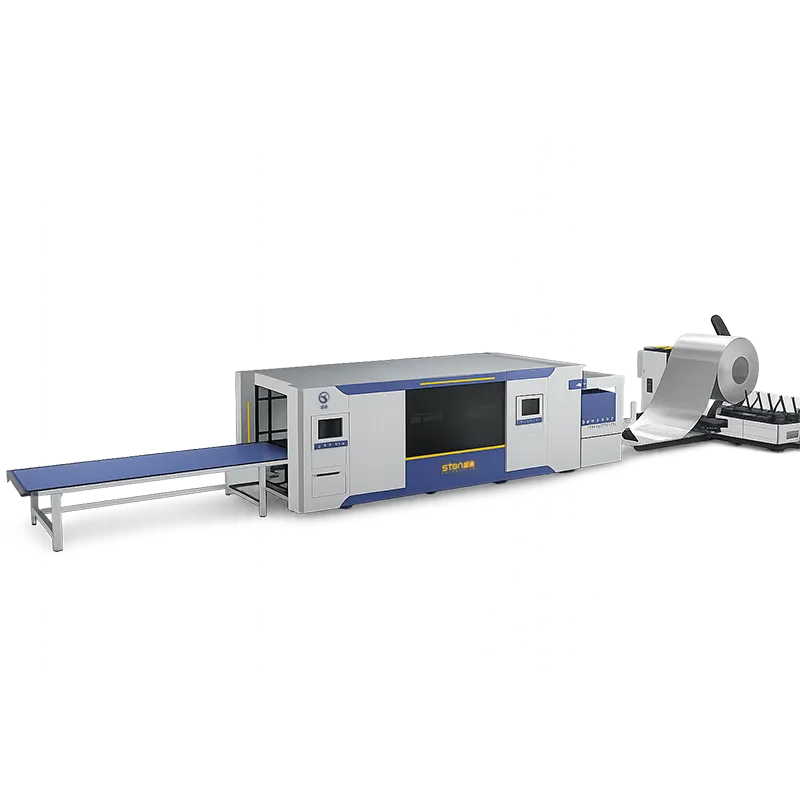
STON provides sheet metal automation solutions, not just standalone equipment. Our product range includes panel benders, turret punch presses, press brakes, laser cutting units, and automated production lines. This helps customers plan a complete process from cutting and forming to bending and smart factory layout.
Punch Laser Combination Machine vs. Separate Cutting Machines: Which Is Better?
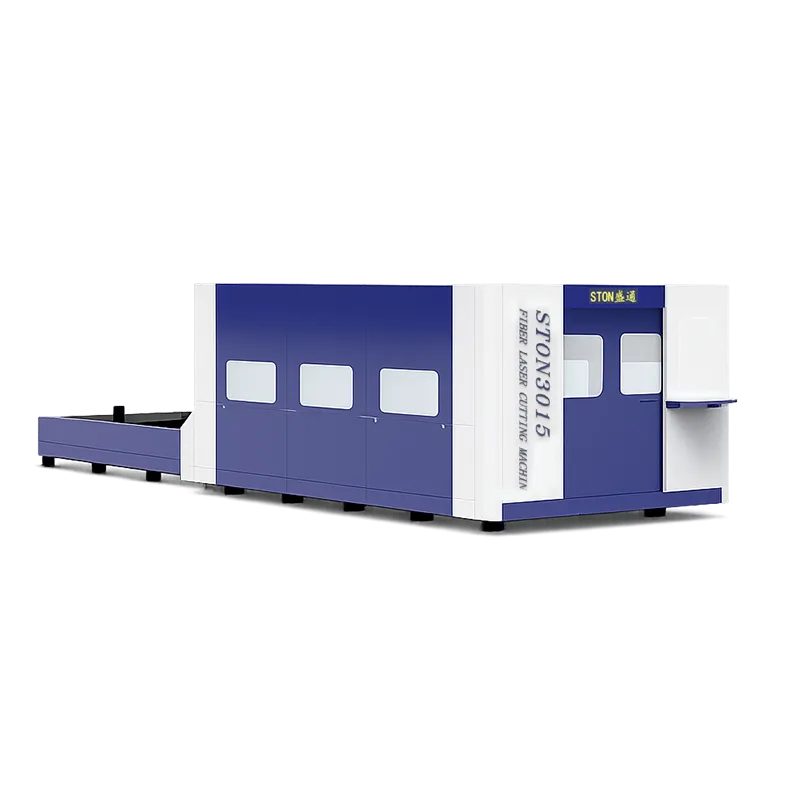
There is no single answer for every factory. Separate cutting machines may be better when a factory needs very thick laser cutting, very large sheets, or fully independent high-volume laser production. A dedicated fiber laser cutting machine can be powerful when the main job is contour cutting only.
However, a laser combination machine is often better when the part needs both punching and laser features. It is also strong when the buyer wants fewer operators, less part movement, and better mixed-batch flexibility. A single machine can help reduce work-in-process and keep production flow shorter.
How Does STON Support Global Sheet Metal Automation Projects?
STON is a China-based CNC sheet metal machinery manufacturer. We provide panel benders, turret punch presses, press brakes, laser cutting units, and automated production lines. Our goal is clear: help global manufacturers improve processing efficiency, reduce labor costs, and build smarter sheet metal factories.
Many overseas customers come to STON because they want more than one machine. They want a process. A factory may need a turret punching machine today, a press brake next year, and an automated loading and unloading system as production grows. STON can support this step-by-step upgrade path.
Our main overseas customers include:
- Sheet metal fabricators
- Electrical cabinet factories
- HVAC manufacturers
- Appliance producers
- Metal furniture makers
- Machinery distributors
- Regional equipment dealers
- Smart factory project integrators
For a punch laser combination project, we can discuss part drawings, material range, factory layout, automation level, and future bending needs. This helps buyers build a more complete sheet metal automation plan. The result is not just one machine running in the shop. The result is a cleaner workflow, better planning, and stronger production confidence.
How Can a Punch Laser Machine Fit Into a Smart Factory?
A modern punch laser machine can become a key part of a smart factory when it connects with software, loading systems, bending equipment, and production planning. The value comes from data, repeatability, and smoother flow. Workers spend less time moving parts and more time controlling quality.
For example, a factory can start with one CNC punching machine or one laser cutting unit. As order volume grows, it can add automatic loading, unloading, and bending equipment. Later, it may build a more complete line with storage, nesting, cutting, punching, bending, and part tracking.
A basic smart sheet metal workflow may include:
Order Data → Nest Programming → Sheet Loading → Punch + Laser Process
→ Part Sorting → Press Brake / Panel Bender → Assembly → Delivery
This is where STON’s wider product line becomes useful. A buyer can combine punching and fiber laser cutting with press brakes, panel benders, and automation systems. This makes production easier to expand and easier to control.
What Is the Real Business Value of a Punch Laser Combination Machine?
The real value is not only faster cutting speed. The deeper value is fewer steps, fewer mistakes, fewer operators, and faster delivery. A machine that combines punching and fiber laser processing can help factories keep jobs moving and reduce waiting between processes.
For B2B buyers, this matters because customers want shorter lead times and stable quality. They also want suppliers who can handle different part designs. A punch laser combination gives a factory more freedom. It can process standard holes quickly, use laser power for flexible shapes, and support cutting and forming in one system.
Here is a simple value chart:
More Processes in One Machine
↓
Less Handling
↓
Lower Labor Pressure
↓
Faster Delivery
↓
Better Customer Response
For distributors, this machine can also be a strong product to introduce to local manufacturers who want to upgrade from basic punch equipment or older laser systems. For end users, it can become a long-term tool for improving sheet metal fabrication efficiency.
FAQs About Punch Laser Machines
What is a punch laser combination machine used for?
A punch laser combination machine is used for sheet metal parts that need punching, forming, tapping, and laser cutting. It is common in electrical cabinets, HVAC, appliance manufacturing, metal furniture, and general sheet metal fabrication.
Is a punch laser machine better than a standalone laser cutter?
It depends on your parts. If your parts mainly need profile cutting, a standalone laser cutter may be enough. If your parts need many holes, forms, tapping, and laser profiles, a punch laser machine can reduce handling and improve productivity.
What materials can a punch laser machine process?
It can process a wide range of materials, depending on the machine design and configuration. Common materials include mild steel, stainless steel, aluminum, and galvanized sheet. Buyers should always confirm the range of materials and thicknesses with the supplier.
Why is nesting important for punch laser machines?
Nest software helps place parts on the sheet to save material and plan the best punch and laser path. A good nest can reduce waste, avoid clamp problems, and help the machine run more smoothly.
Can a punch laser machine support automation?
Yes. Many punch laser machines can work with loading, unloading, storage, and part sorting systems. The level of automation depends on the factory’s budget, production volume, and layout.
How can STON help me choose the right machine?
STON can review your part drawings, sheet size, material thickness, daily output target, and factory layout. Based on this, we can recommend a practical CNC sheet metal solution, including punch, laser, press brake, panel bender, and automated production line options.



 8 de junho de 2026