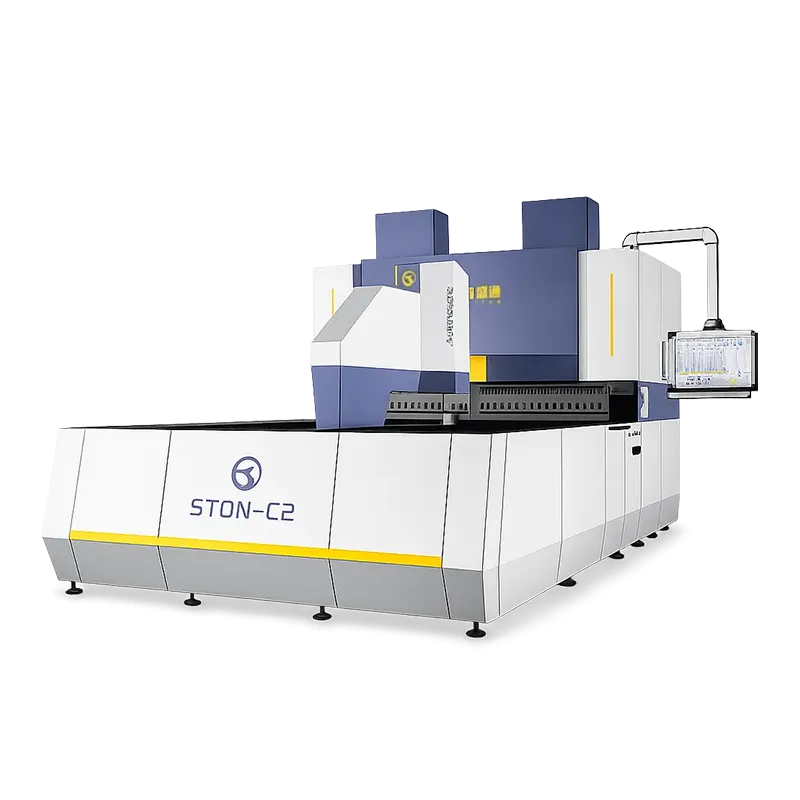
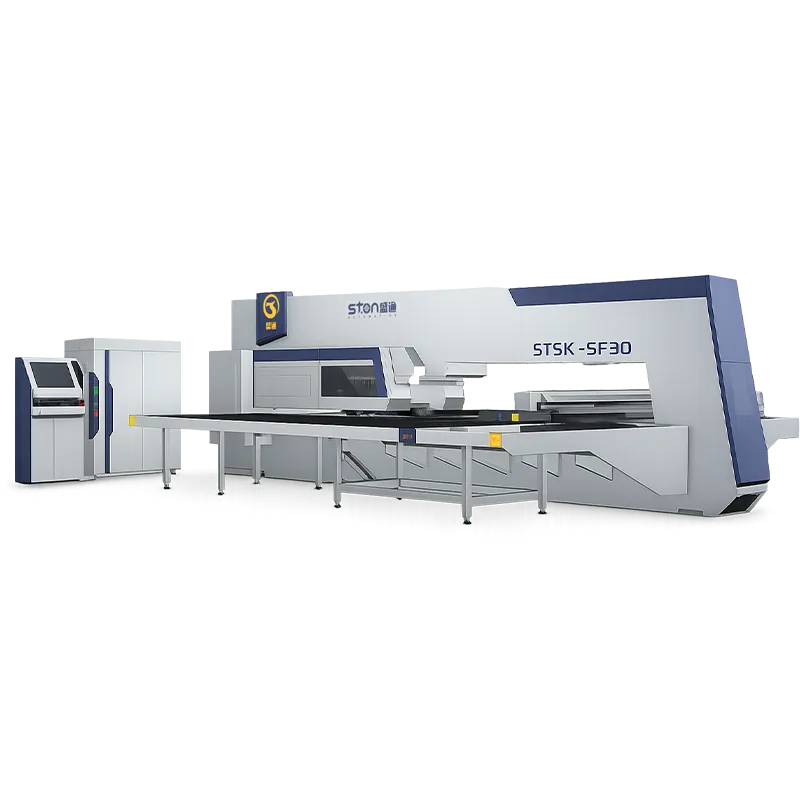
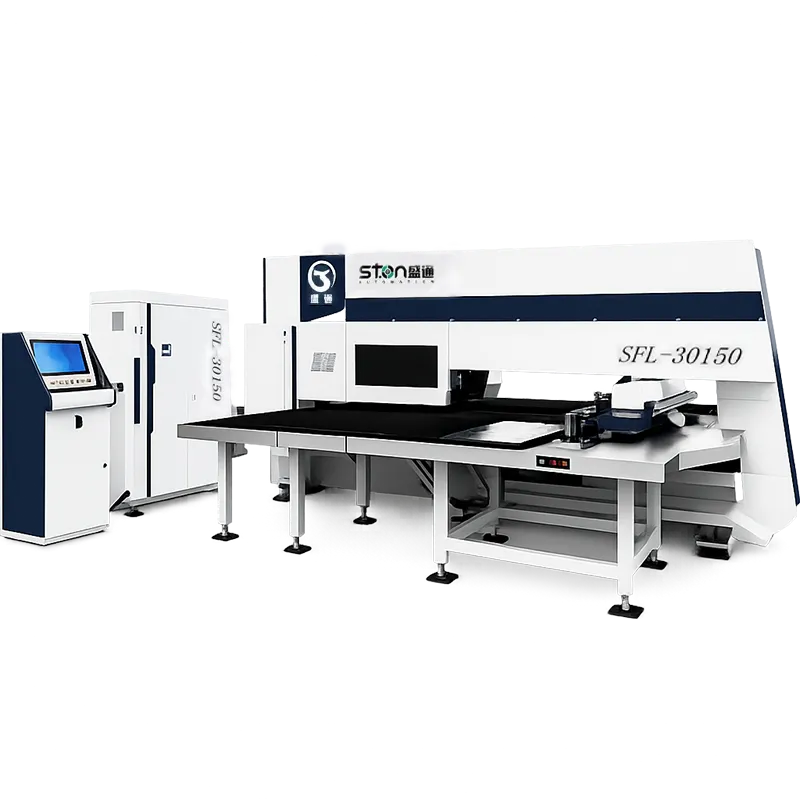
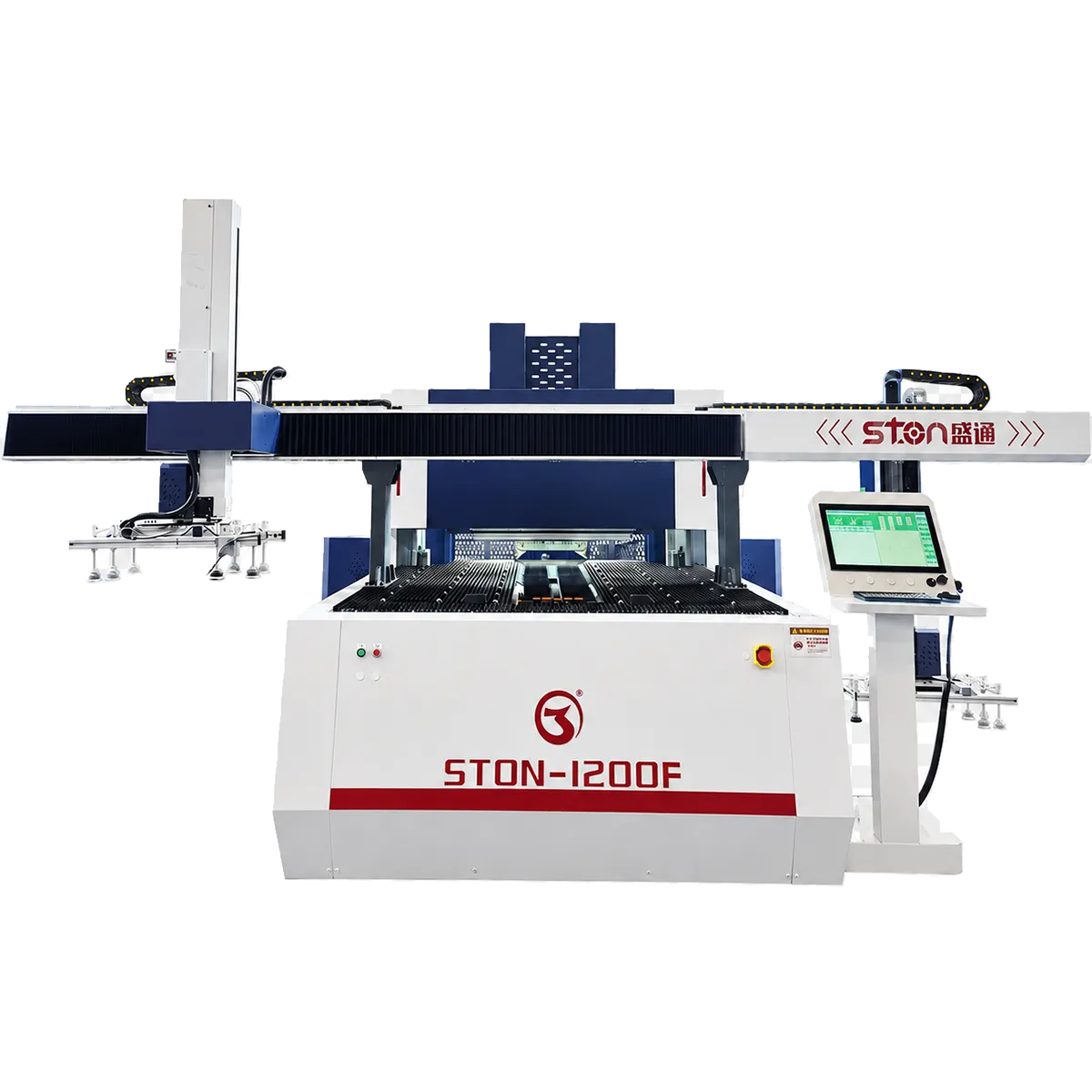
Flexible Edge Bending for Thin-Sheet Parts and Frequent Changeovers
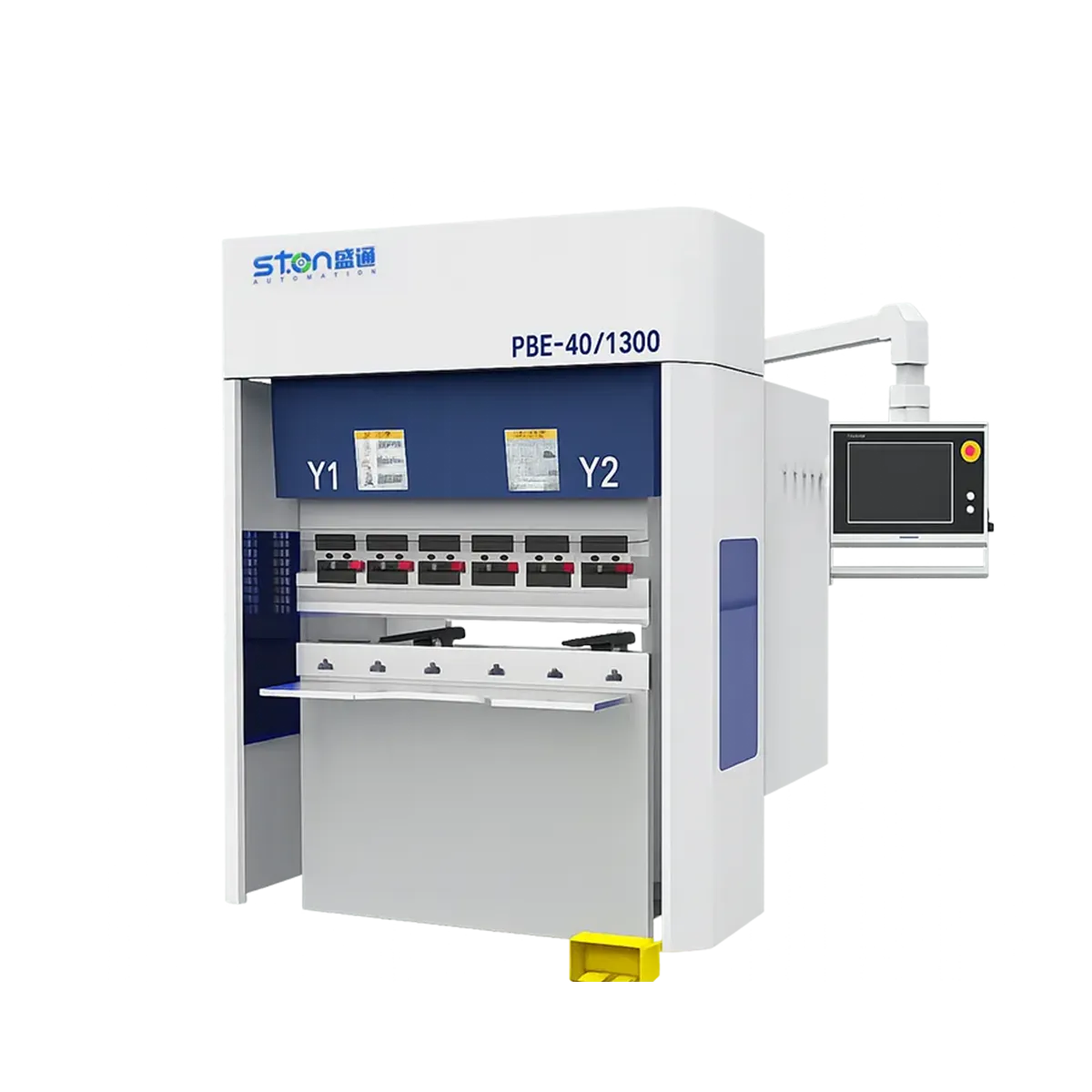
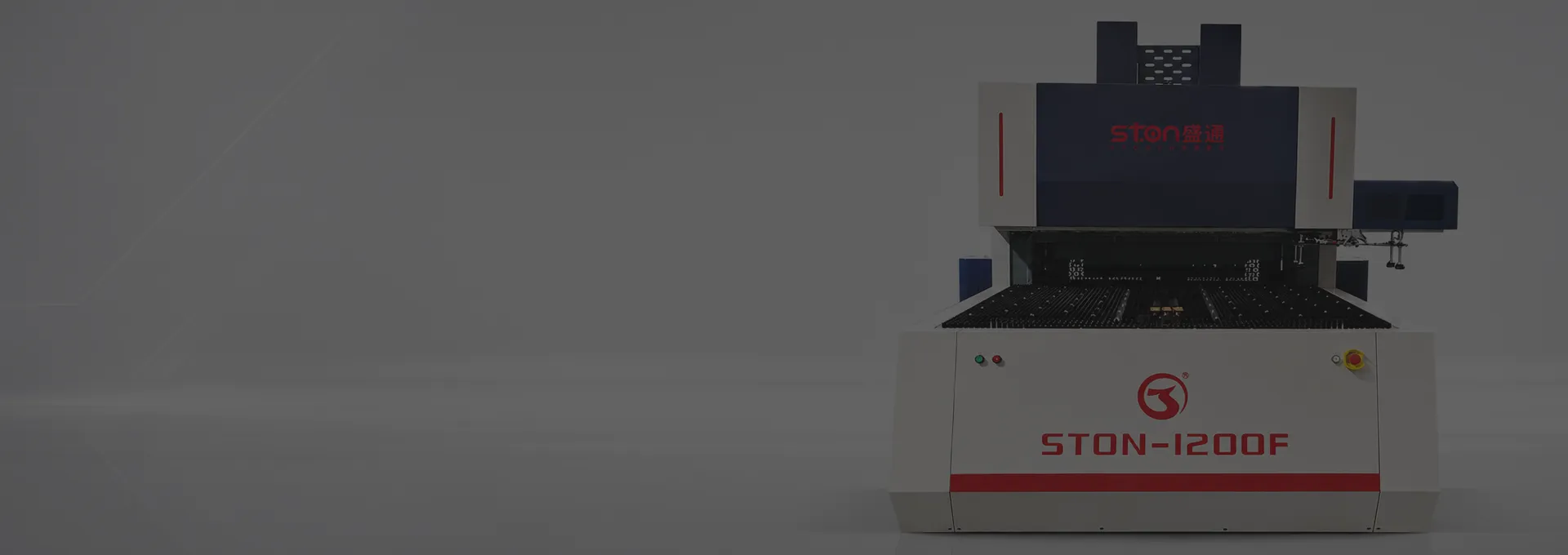
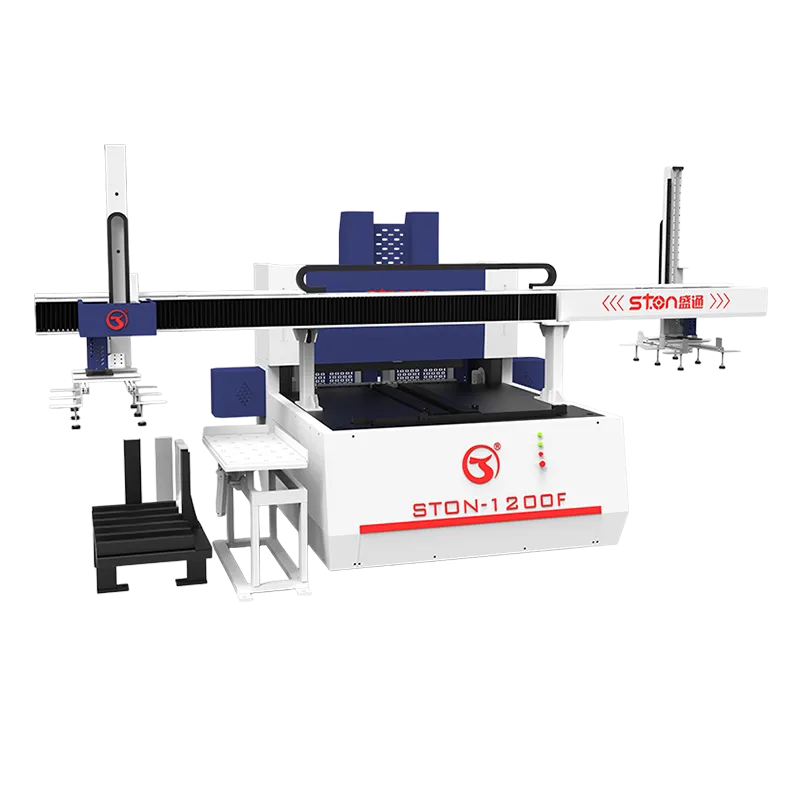
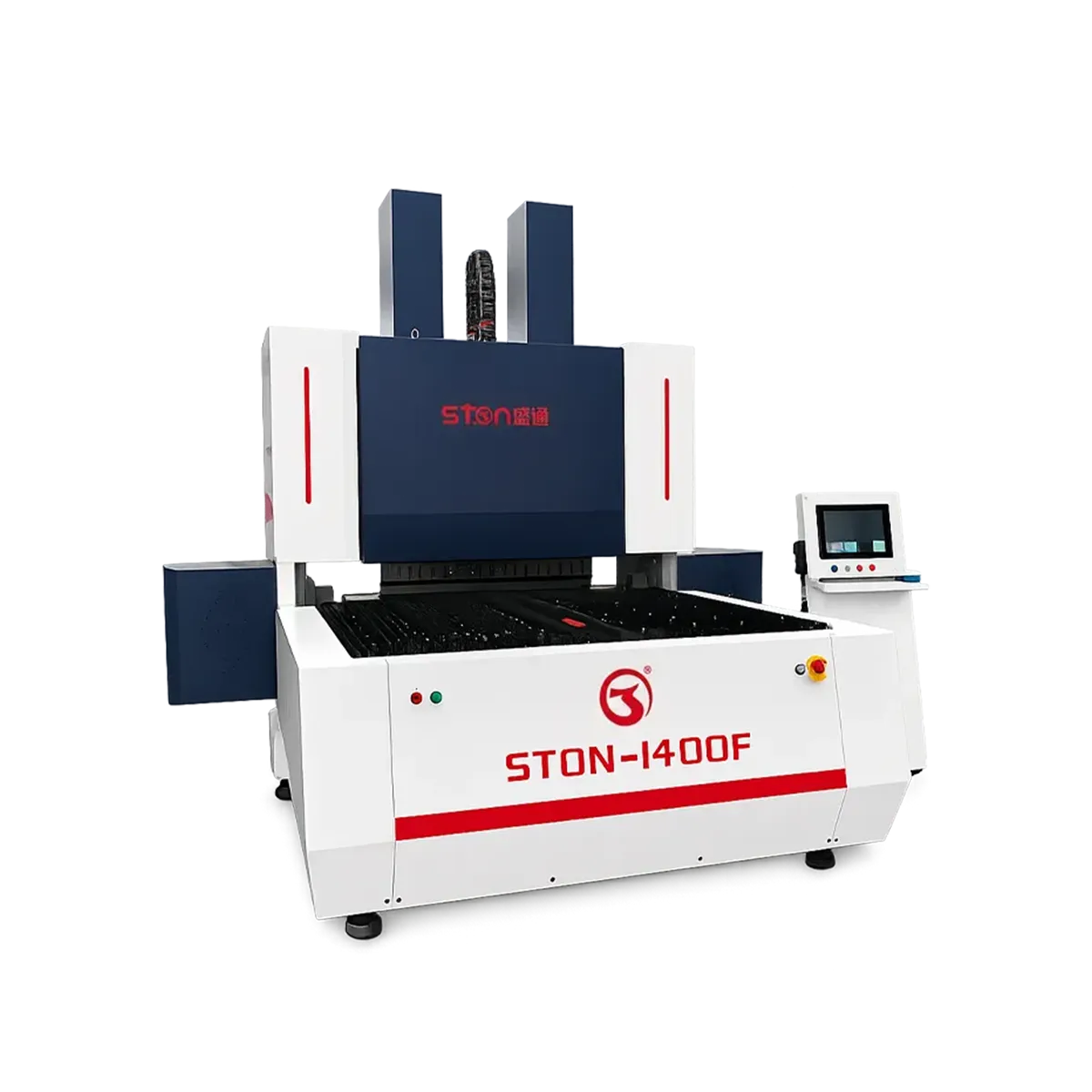
As máquinas de dobragem de bordas flexíveis STON destinam-se à conformação automatizada de peças de chapa fina, como portas de armários, painéis de invólucros, componentes de AVAC, carcaças de eletrodomésticos e determinadas peças pequenas ou irregulares. O controlo servo totalmente elétrico, o manuseamento por sucção e as funções de conformação configuráveis podem proporcionar uma produção repetível, mas a adequação depende do contorno da peça, da sequência de abas, do material, da espessura e dos requisitos de superfície.
Peças, tarefas de conformação e limites práticos
Os projetos podem incluir dobragem positiva e negativa, arcos, bordas fechadas e formas com desvio, quando compatíveis com o modelo e as ferramentas selecionados. Lâminas auxiliares, elevação do eixo C e opções de troca automática de ferramentas podem ser avaliadas para famílias de peças específicas. A fábrica deve enviar antecipadamente as dobras difíceis e as peças representativas para que a engenharia possa confirmar o alcance, a folga para evitar colisões, a seleção de ferramentas, o manuseamento e a qualidade da peça acabada.
- Cabinet and enclosure work: doors, side panels, shelves and internal components.
- HVAC and appliance work: painéis, tampas e carcaças produzidos a partir de chapas finas.
- High-mix production: famílias de peças recorrentes em que a troca de configuração e a repetibilidade são importantes.
Flexible Edge Bender, Panel Bender or Press Brake?
A flexible edge bender can be considered for thin-sheet parts and forming sequences that match its handling and tool options. A dobradeira de painéis CNC is commonly evaluated for repeated cabinet and box-panel production with automated multi-edge bending. A prensa dobradeira CNC provides broad general-purpose tooling and forming flexibility. The decision should compare part shape, batch size, product changeover, tooling, automation and operator requirements.
Configuration Paths
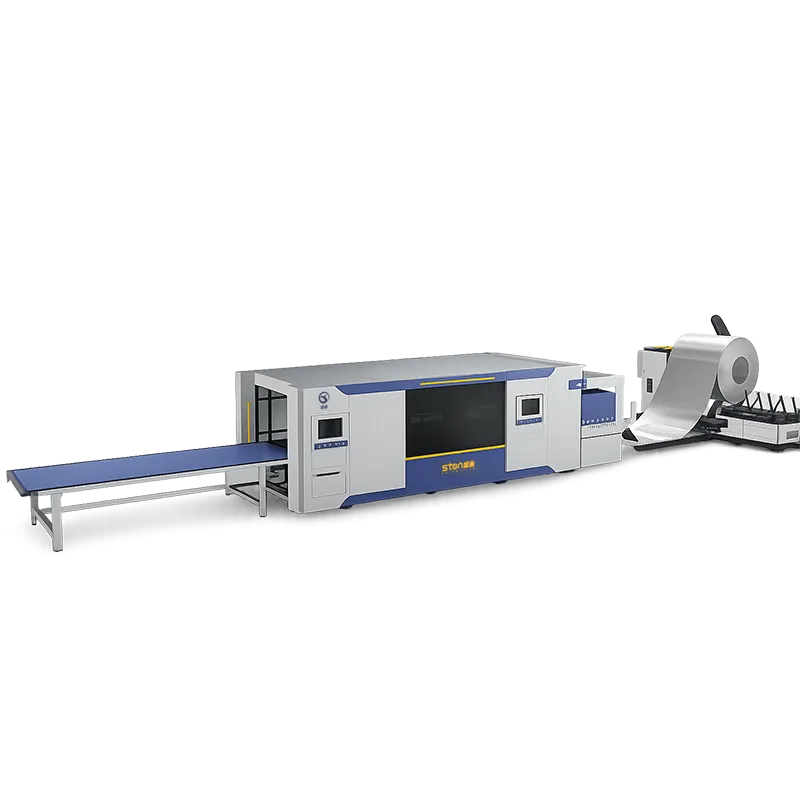
Um projeto pode começar com a máquina padrão e, em seguida, avaliar o carregamento e descarregamento automáticos, a troca automática de ferramentas, as lâminas auxiliares ou outras opções de manuseamento. Não considere um único modelo apresentado como sendo toda a gama de produtos. Se for necessária uma produção contínua, o método de carregamento, a orientação das peças, o empilhamento e o tratamento de exceções devem ser concebidos em conjunto com a máquina. Consulte a STON sistemas automáticos de carga e descarga for available integration routes.
Selection and Sample-Validation Inputs
Send 2D or 3D drawings, material grade, thickness, flat and finished dimensions, bend sequence, target output, surface protection needs and available floor space. STON can review these inputs, propose a candidate configuration and identify parts for sample testing. Final acceptance should cover the agreed tooling, bend quality, repeatability, handling sequence and operator training.
Support for End Users and Dealers
STON operates a self-owned 20,000 square meter factory and supports in-house manufacturing, configuration, installation planning, training, spare-parts preparation and after-sales communication. The exact service scope and response arrangement should be stated in the quotation for the destination market. Dealers can request model positioning and application material for their local industries.
Programming, Tooling and Part-Handling Review
Flexible bending performance depends on more than the machine drive. Programming must account for bend order, part support, suction positions, collision clearance, surface protection and release of the finished part. Review standard and optional tools against the difficult flange and corner details in the drawing set. If automatic loading is included, define blank orientation, separation, detection, rejected-part handling and the transition to stacking or the next process.
Acceptance, Maintenance and Training
Use representative parts and agreed material batches for acceptance. Check bend dimensions and angles, surface condition, part handling, changeover steps and repeated-cycle stability. Record the inspection method instead of using an undefined precision claim. The delivery scope should identify software and program backups, tool inspection, lubrication or preventive maintenance tasks, operator training, maintenance training, recommended spare parts and service access. Factories and dealers should also agree who handles installation, utilities, guarding, remote support and on-site response in the destination market.
Due Diligence Comercial e de Fornecedores
Compare quotations against the same drawings, materials, output assumptions and automation boundary. Separate the base machine, optional tools, loading system, software, installation, training and spare parts so different offers can be evaluated fairly. Confirm site utilities, electrical standard, guarding, documentation language, remote-access policy, warranty terms and service responsibilities. Dealers should also agree which demonstration parts, product training and escalation support are included. These checks help distinguish a machine that can bend a sample from a project that can be installed and supported in the buyer’s factory.