Start Press Brake Selection with the Part and Bend Plan
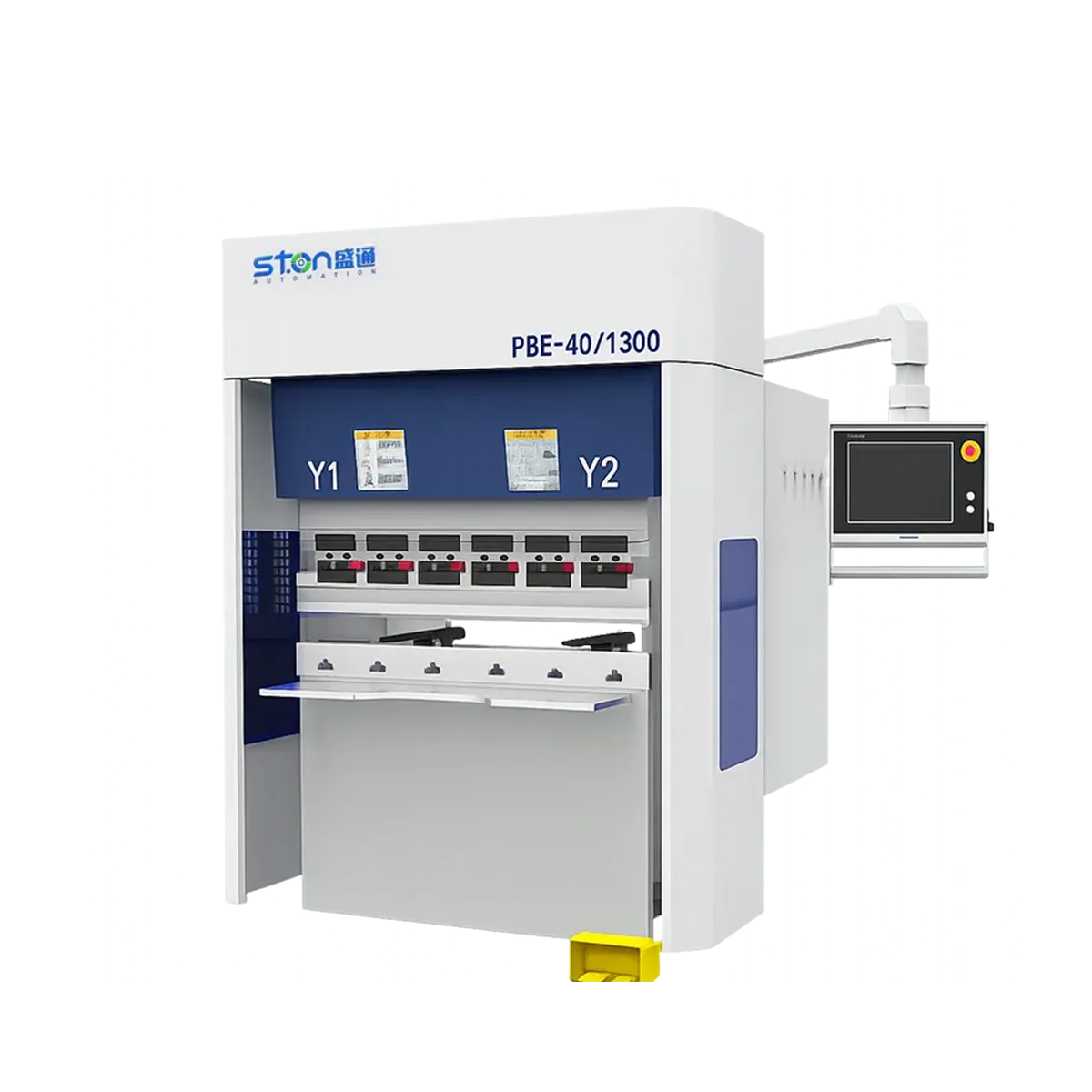
A CNC press brake is selected from the forming requirement, not from tonnage alone. Provide material grade, thickness, maximum bending length, bend radius, flange geometry, daily or shift output, current tooling and automation goals. These inputs allow the machine frame, control, back gauge, crowning or compensation method and tooling package to be reviewed as one system.
Electro-Hydraulic and Full-Electric Options
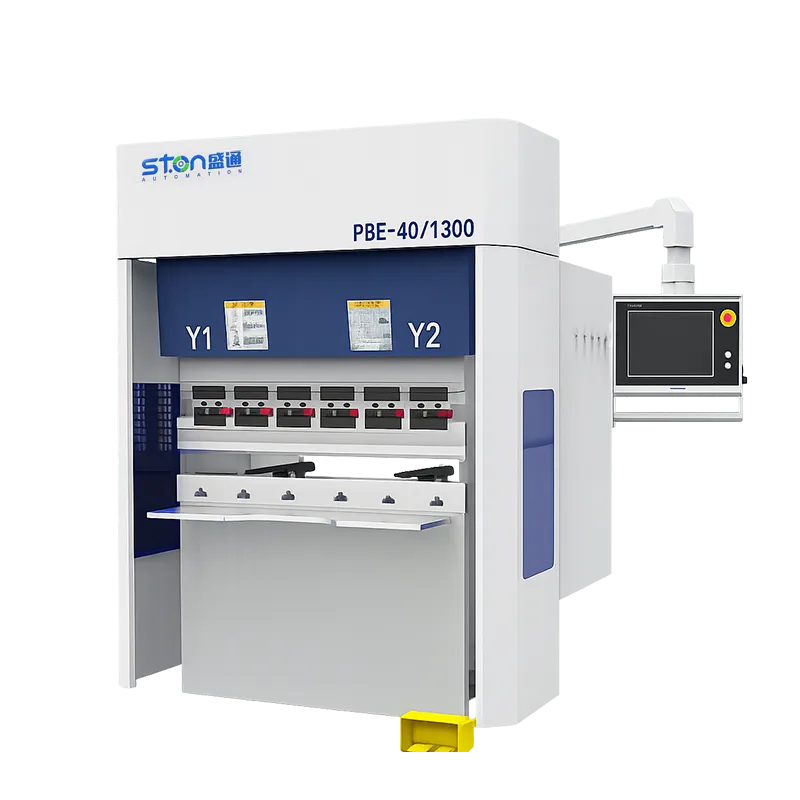
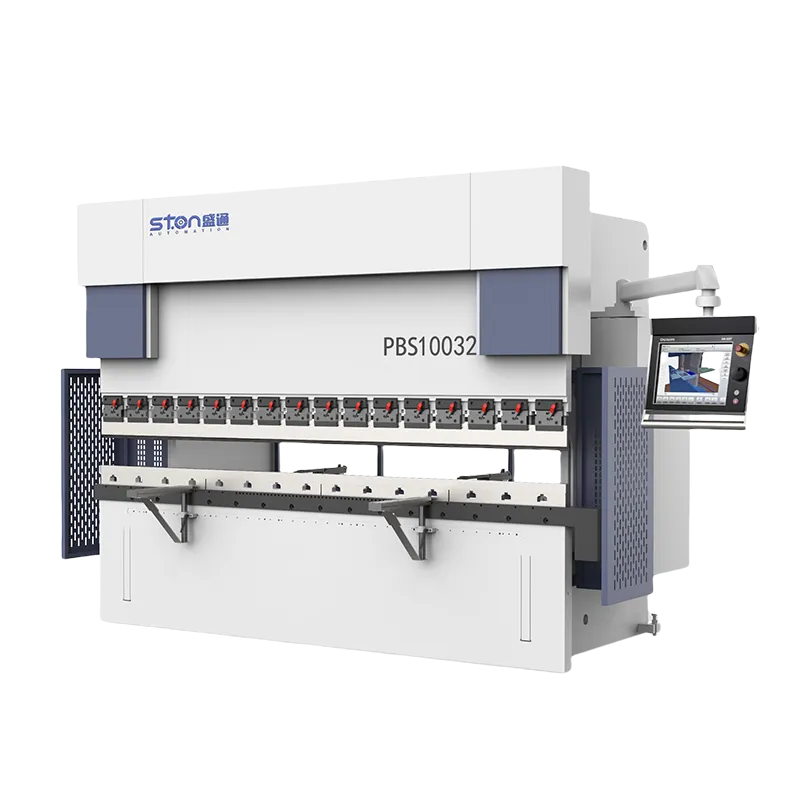
STON offers electro-hydraulic servo and full-electric servo press brake solutions across compact and heavier-duty configurations. The preferred drive type depends on part size, required force, production mix, energy strategy, maintenance capability and budget. Exact tonnage, bed length, stroke, opening and axis configuration must be confirmed on the selected model and should not be inferred from a general category statement.
Key Configuration Decisions
- CNC axes and back gauge: selected to position the part and support the required bend sequence.
- Crowning or mechanical compensation: evaluated to manage deflection and angle consistency across the working length.
- Tooling: matched to material, thickness, bend radius, flange clearance and current factory standards.
- Machine frame and safety: reviewed against force, part handling, guarding and the operating environment.
Each feature should be tied to a specific quality or production requirement. Representative sample bending is the practical way to confirm the complete process.
Press Brake or Panel Bender?
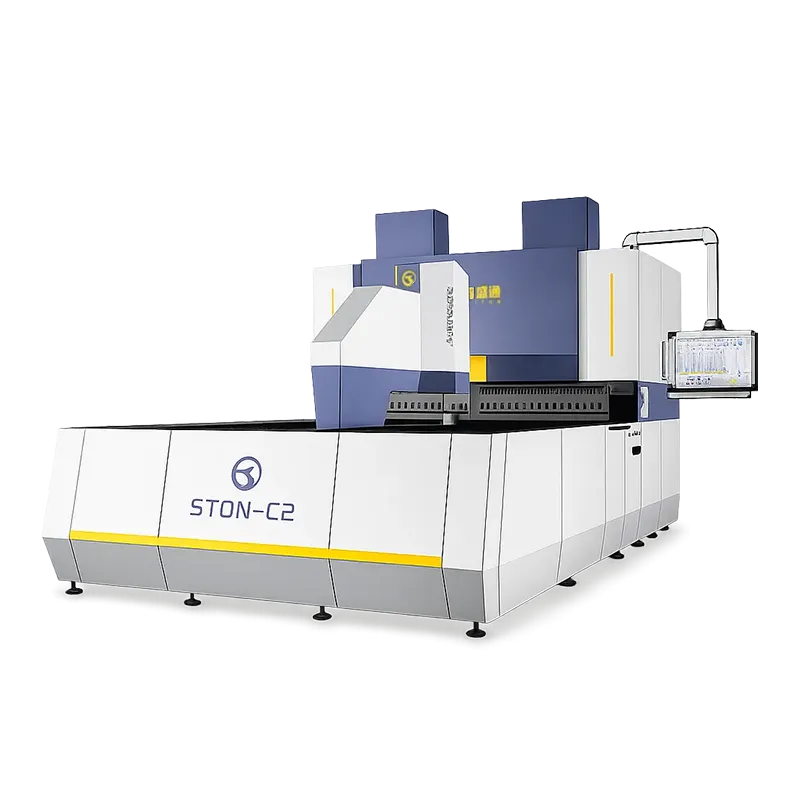
A press brake is a flexible choice for general fabrication, varied tooling and many part geometries. A Панелегибочный станок с ЧПУ is often considered for repeated cabinet, drawer and box-panel production where automated multi-edge bending is valuable. Factories should compare batch size, product mix, bend sequence, operator handling, tooling and changeover rather than allowing the two equipment types to compete for the same undefined task.
Applications and Automation
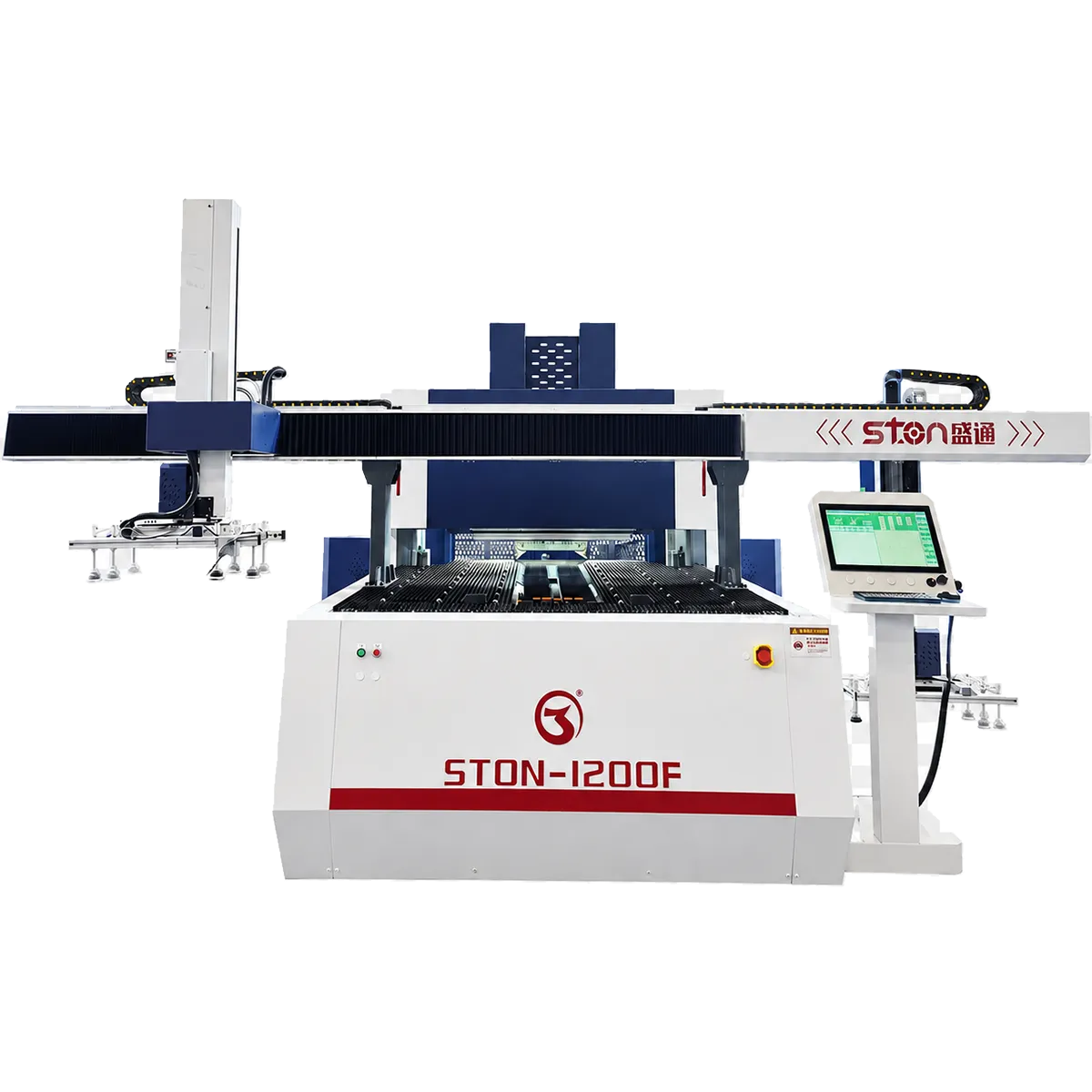
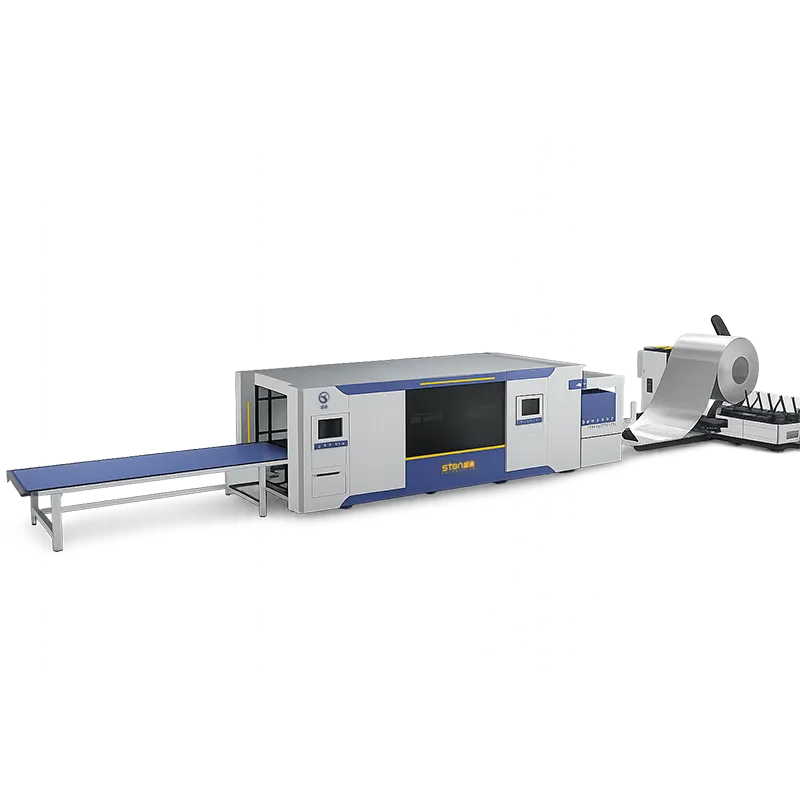
Typical sectors include electrical cabinets, appliance housings, metal furniture, custom sheet metal services, steel doors, kitchen equipment and OEM enclosures. For higher automation, evaluate robot or gantry handling, part orientation and stacking with an системой автоматической загрузки и выгрузки. Integration needs clear interfaces, guarding, recovery logic and acceptance parts.
Quotation and Project Support
Send drawings, materials, thickness range, maximum part dimensions, production volume, tooling inventory, layout and quality requirements. STON can propose a candidate configuration and sample plan. In-house manufacturing, installation planning, training, spare-parts preparation and after-sales communication can be included, with the exact delivery and service scope documented for the project.
Tooling and Process Planning before Purchase
The press brake and its tooling should be treated as one forming system. Review punch and die geometry, opening, bend radius, material springback, flange clearance and part support for the representative drawing set. Confirm whether the factory can reuse existing tools and how any adapters or special tools affect daylight, stroke and safety. Programming and back-gauge positions should be checked against the complete bend sequence, including part rotation and operator access.
Acceptance, Safety and Lifecycle Support
Factory acceptance testing should use agreed parts, materials and inspection methods. Check bend angle and dimensions, consistency along the working length, surface condition, back-gauge positioning, tool change and repeated-cycle stability. If robotic handling is included, test gripping, orientation, interfaces, guarding, alarms and recovery. The handover package should define operator and maintenance training, program backups, hydraulic or electric maintenance tasks for the selected model, lubrication, tooling inspection, recommended spare parts and service clearance. Delivery scope, warranty terms and remote or on-site support must be written into the project quotation rather than assumed from a category page.
Commercial Comparison and Site Readiness
Use the same representative parts and production assumptions when comparing press-brake quotations. Separate the base machine, axes, compensation, tooling, safety equipment, automation, software, installation, training and spare parts. Confirm floor loading, electrical and hydraulic requirements for the selected model, material-handling access and maintenance clearance. The contract should state documentation language, acceptance method, warranty boundary, remote-access policy and responsibility for foundations, lifting and connected equipment. These items often decide project cost and schedule even when two machines appear similar on a specification table.
Also review supplier evidence before approval: factory capability, documented quality-control steps, available service contacts and the exact training and spare-parts package. Any certification or compliance claim should be supported by current documents that apply to the quoted model and destination market. Customer examples should only be used when the project details and publication rights can be verified.