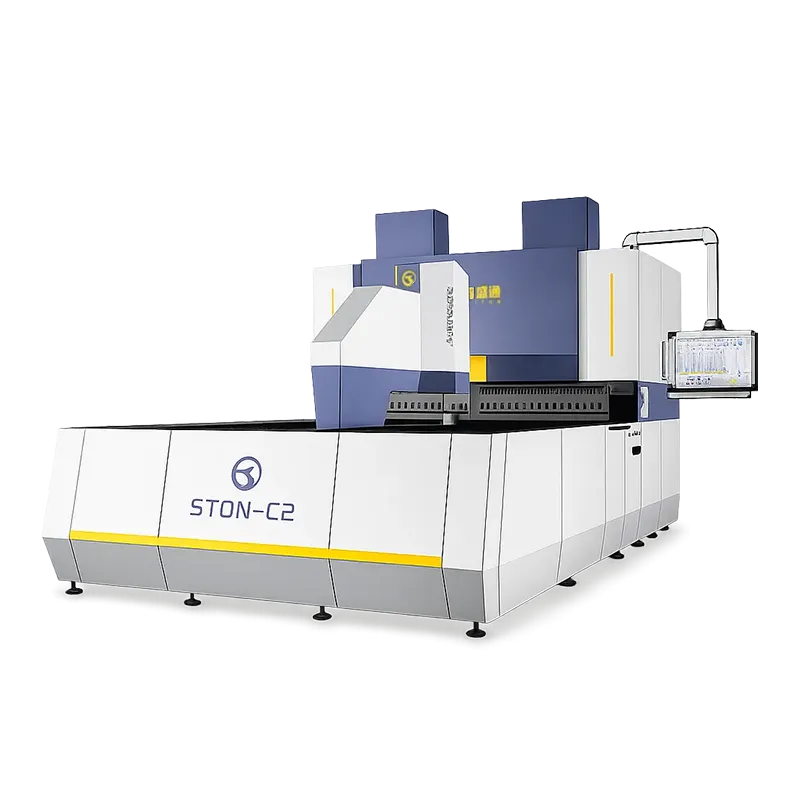
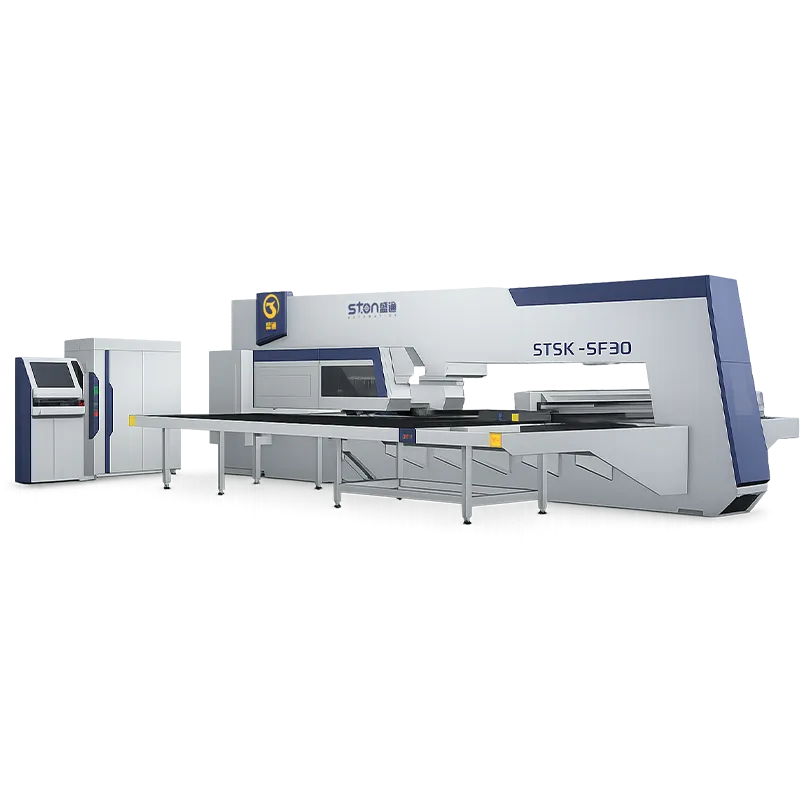
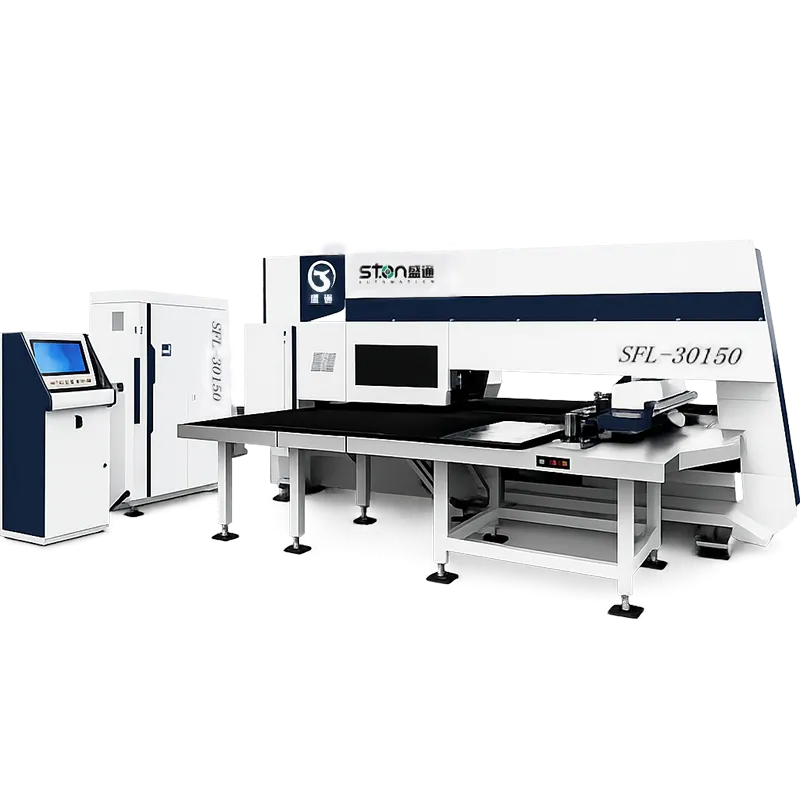
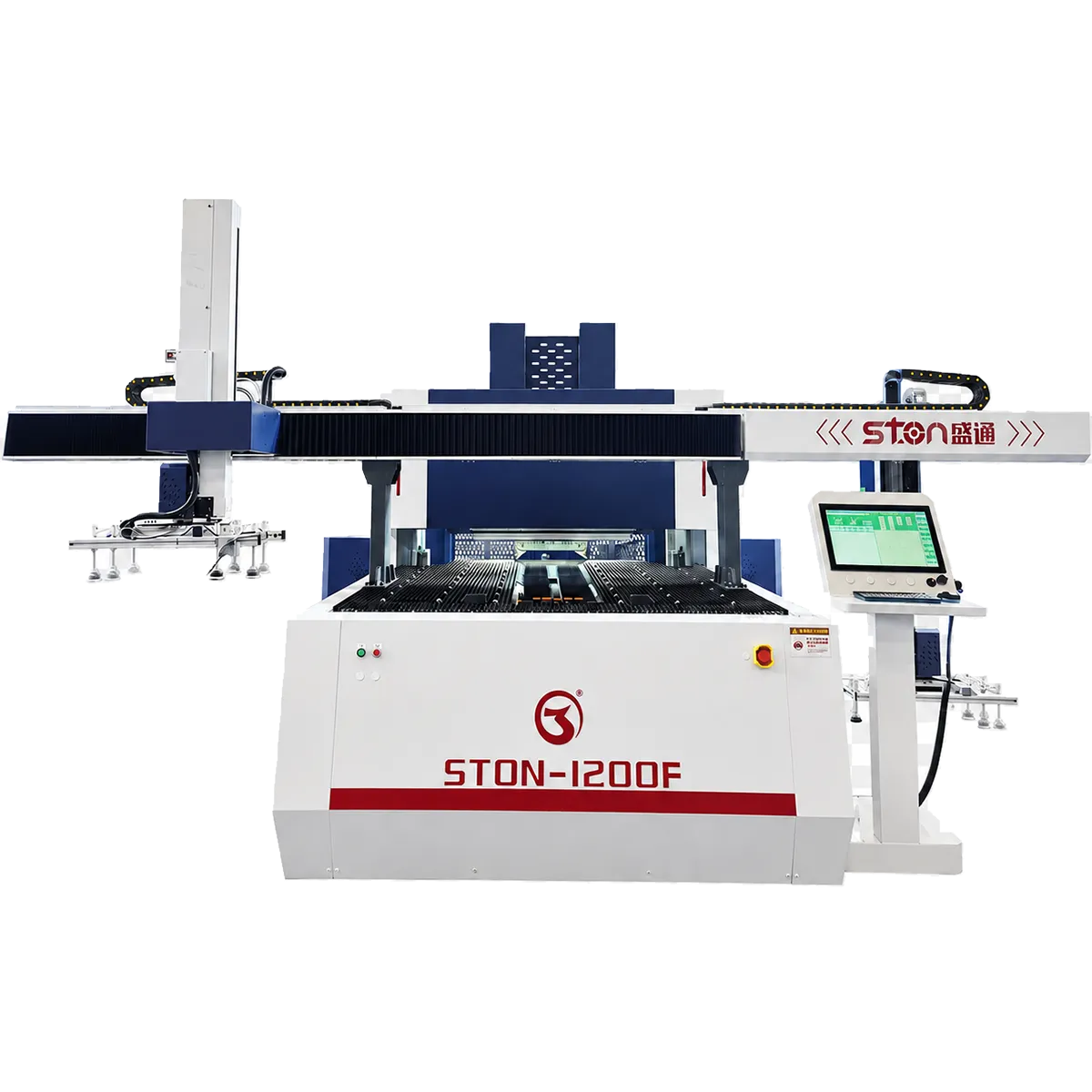
Flexible Edge Bending for Thin-Sheet Parts and Frequent Changeovers
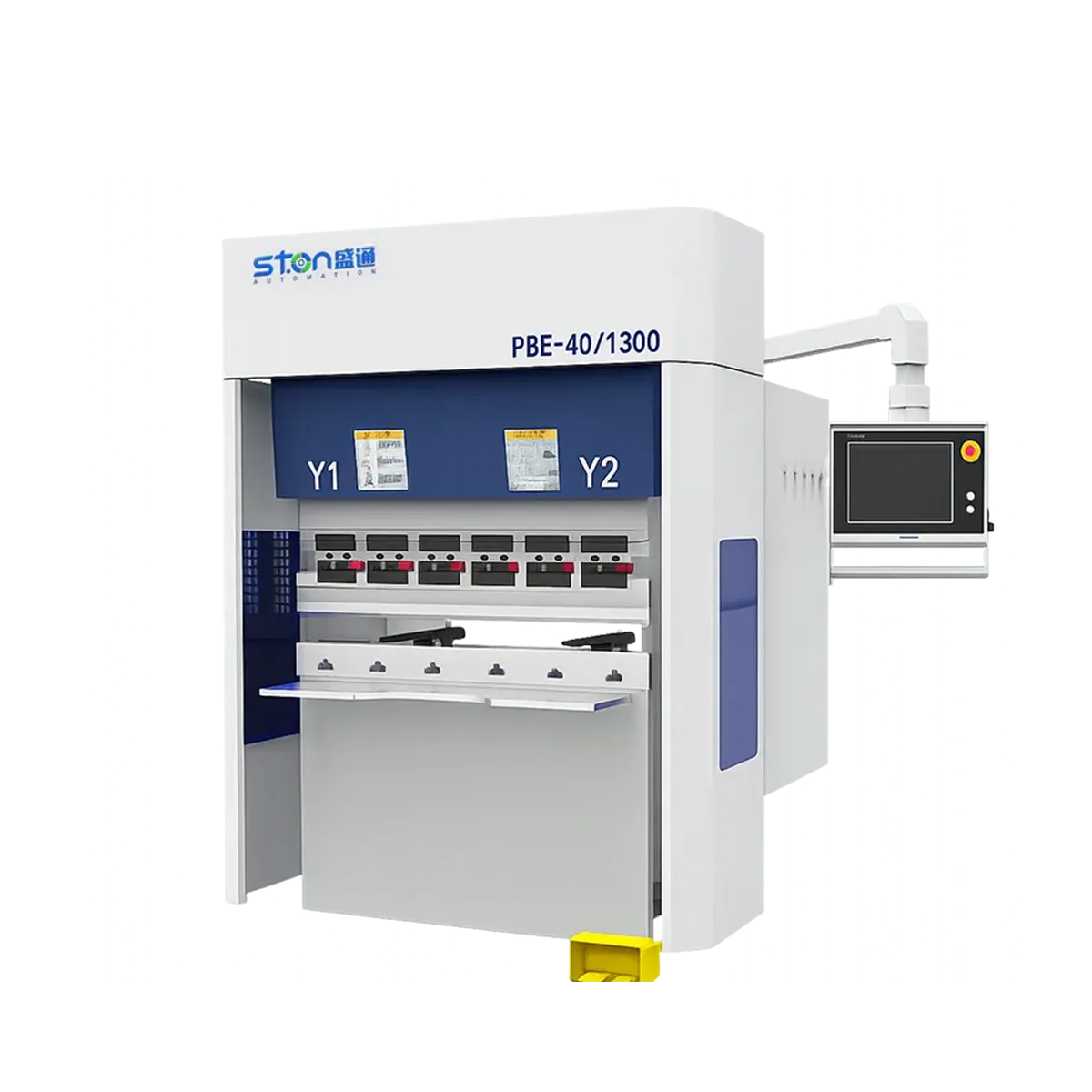
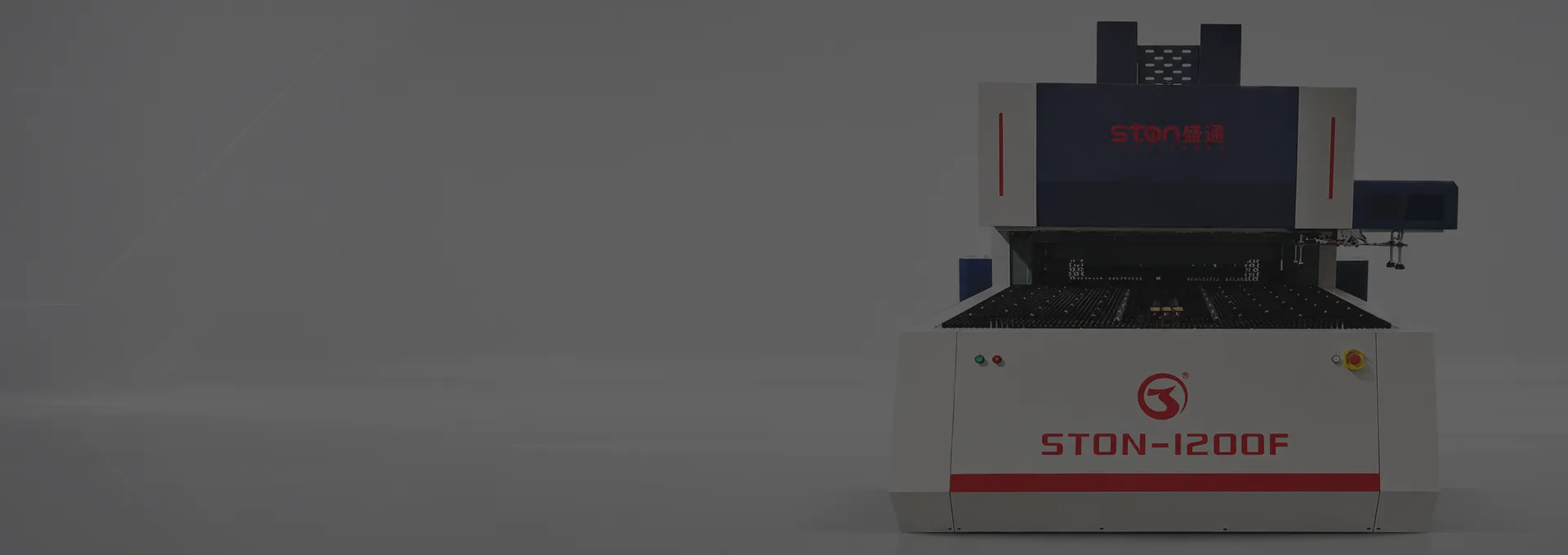
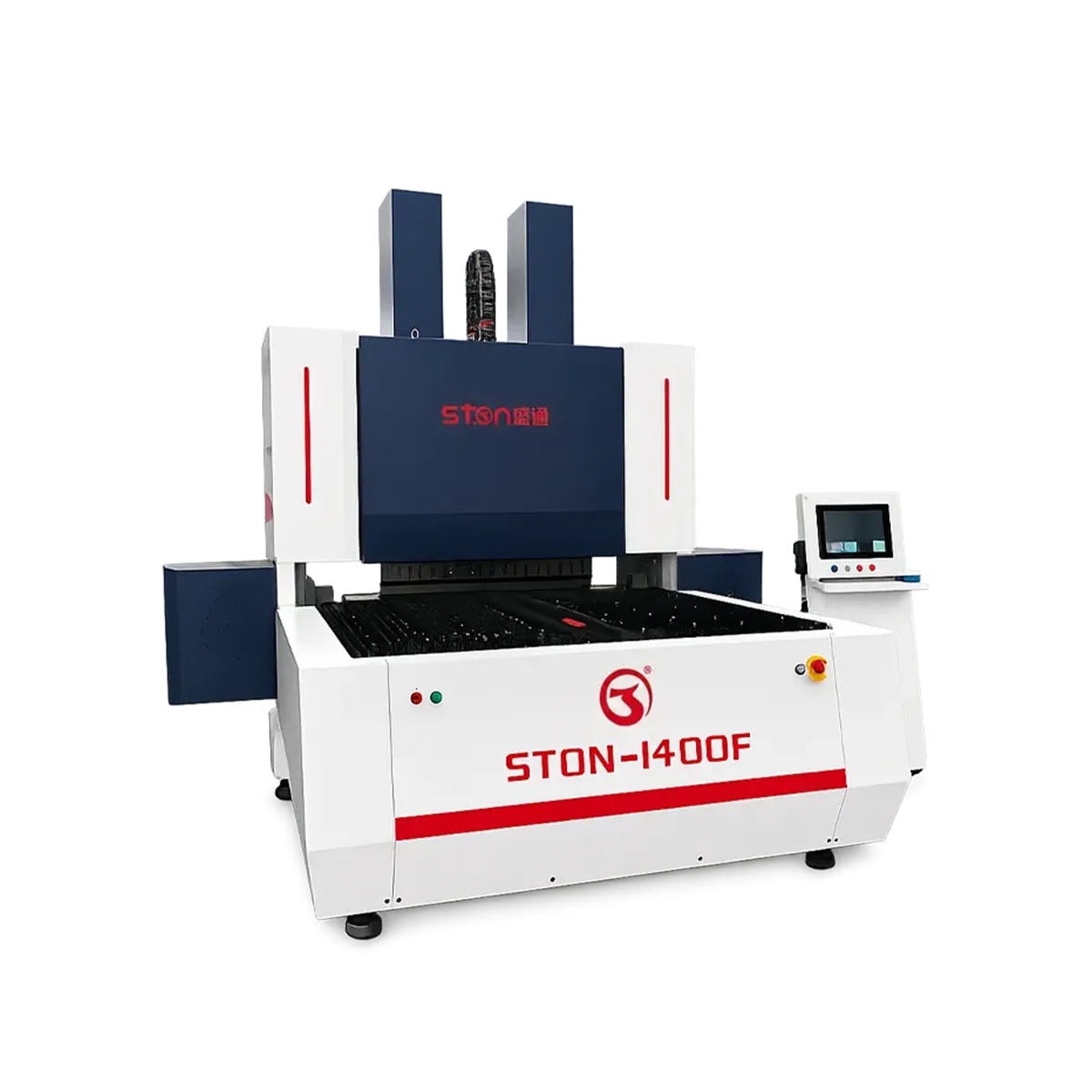
STON flexible edge bending machines are intended for automated forming of thin-sheet parts such as cabinet doors, enclosure panels, HVAC components, appliance housings and selected small or irregular parts. All-electric servo control, suction-based handling and configurable forming functions can support repeatable production, but suitability depends on the part outline, flange sequence, material, thickness and surface requirements.
Parts, Forming Tasks and Practical Limits
Projects may include positive and negative bending, arcs, dead edges and offset forms where supported by the selected model and tooling. Auxiliary blades, C-axis lifting and automatic tool-change options can be evaluated for specific part families. The factory should submit difficult bends and representative parts early so engineering can confirm reach, collision clearance, tool selection, handling and finished-part quality.
- Cabinet and enclosure work: doors, side panels, shelves and internal components.
- HVAC and appliance work: panels, covers and housings produced from thin sheet.
- High-mix production: recurring part families where changeover and repeatability are important.
Flexible Edge Bender, Panel Bender or Press Brake?
A flexible edge bender can be considered for thin-sheet parts and forming sequences that match its handling and tool options. A Панелегибочный станок с ЧПУ is commonly evaluated for repeated cabinet and box-panel production with automated multi-edge bending. A Листогибочный пресс с ЧПУ provides broad general-purpose tooling and forming flexibility. The decision should compare part shape, batch size, product changeover, tooling, automation and operator requirements.
Configuration Paths
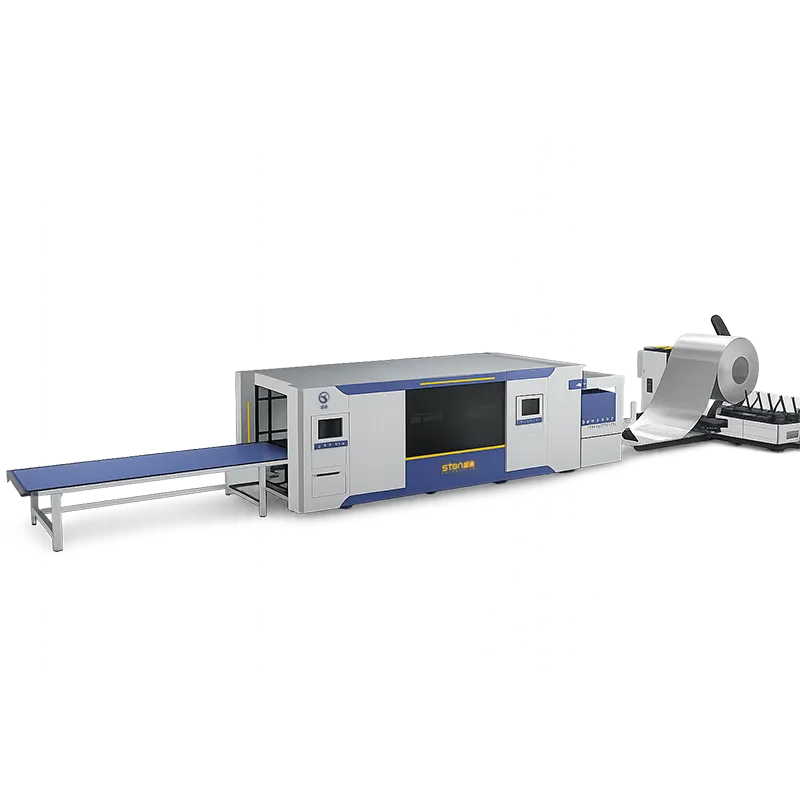
A project can start with the standard machine and then evaluate automatic loading and unloading, automatic tool change, auxiliary blades or other handling options. Do not treat one displayed model as the full product range. If continuous production is required, the loading method, part orientation, stacking and exception handling must be designed together with the machine. See STON системы автоматической загрузки и выгрузки for available integration routes.
Selection and Sample-Validation Inputs
Send 2D or 3D drawings, material grade, thickness, flat and finished dimensions, bend sequence, target output, surface protection needs and available floor space. STON can review these inputs, propose a candidate configuration and identify parts for sample testing. Final acceptance should cover the agreed tooling, bend quality, repeatability, handling sequence and operator training.
Support for End Users and Dealers
STON operates a self-owned 20,000 square meter factory and supports in-house manufacturing, configuration, installation planning, training, spare-parts preparation and after-sales communication. The exact service scope and response arrangement should be stated in the quotation for the destination market. Dealers can request model positioning and application material for their local industries.
Programming, Tooling and Part-Handling Review
Flexible bending performance depends on more than the machine drive. Programming must account for bend order, part support, suction positions, collision clearance, surface protection and release of the finished part. Review standard and optional tools against the difficult flange and corner details in the drawing set. If automatic loading is included, define blank orientation, separation, detection, rejected-part handling and the transition to stacking or the next process.
Acceptance, Maintenance and Training
Use representative parts and agreed material batches for acceptance. Check bend dimensions and angles, surface condition, part handling, changeover steps and repeated-cycle stability. Record the inspection method instead of using an undefined precision claim. The delivery scope should identify software and program backups, tool inspection, lubrication or preventive maintenance tasks, operator training, maintenance training, recommended spare parts and service access. Factories and dealers should also agree who handles installation, utilities, guarding, remote support and on-site response in the destination market.
Commercial and Supplier Due Diligence
Compare quotations against the same drawings, materials, output assumptions and automation boundary. Separate the base machine, optional tools, loading system, software, installation, training and spare parts so different offers can be evaluated fairly. Confirm site utilities, electrical standard, guarding, documentation language, remote-access policy, warranty terms and service responsibilities. Dealers should also agree which demonstration parts, product training and escalation support are included. These checks help distinguish a machine that can bend a sample from a project that can be installed and supported in the buyer’s factory.